Leg Exercises
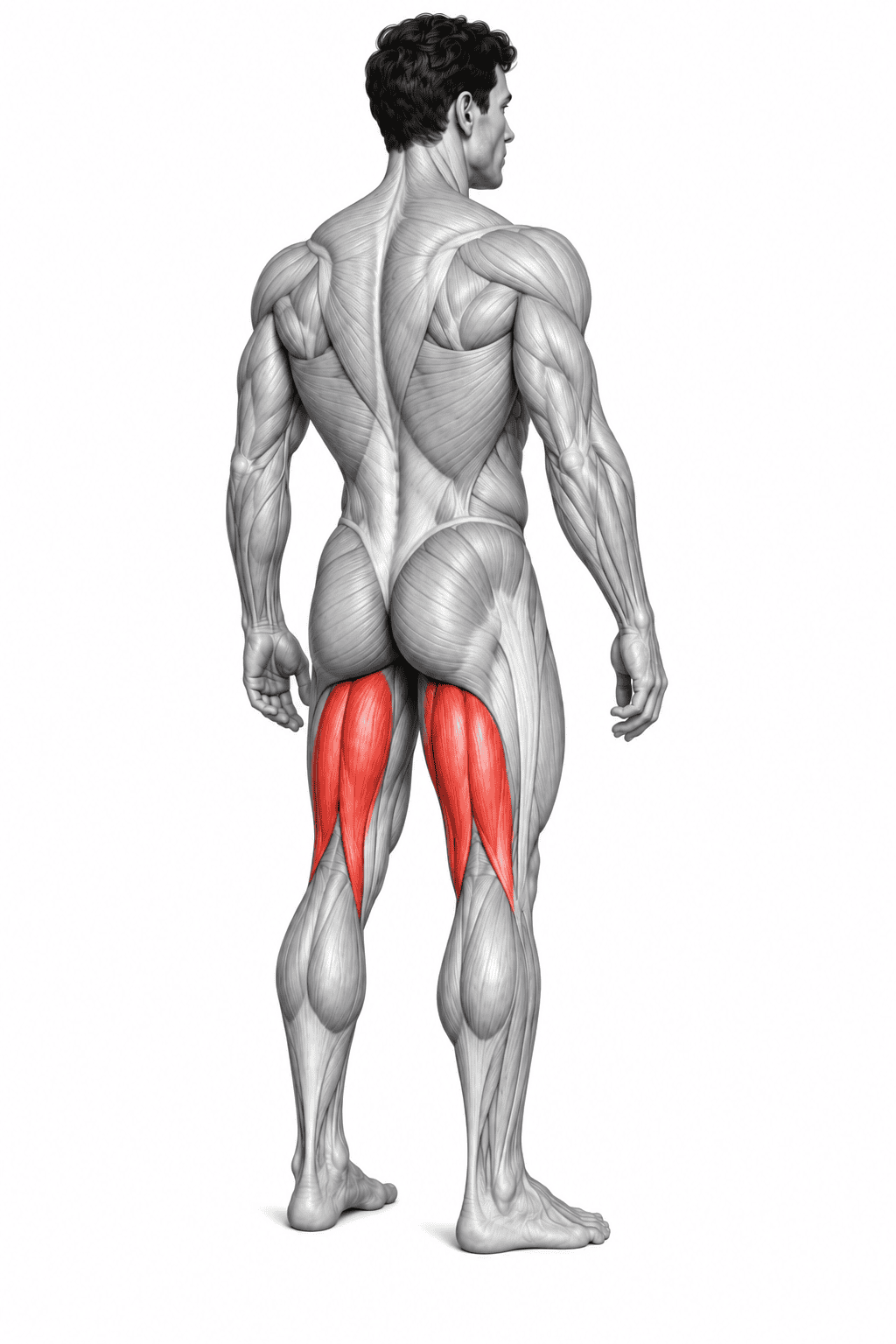
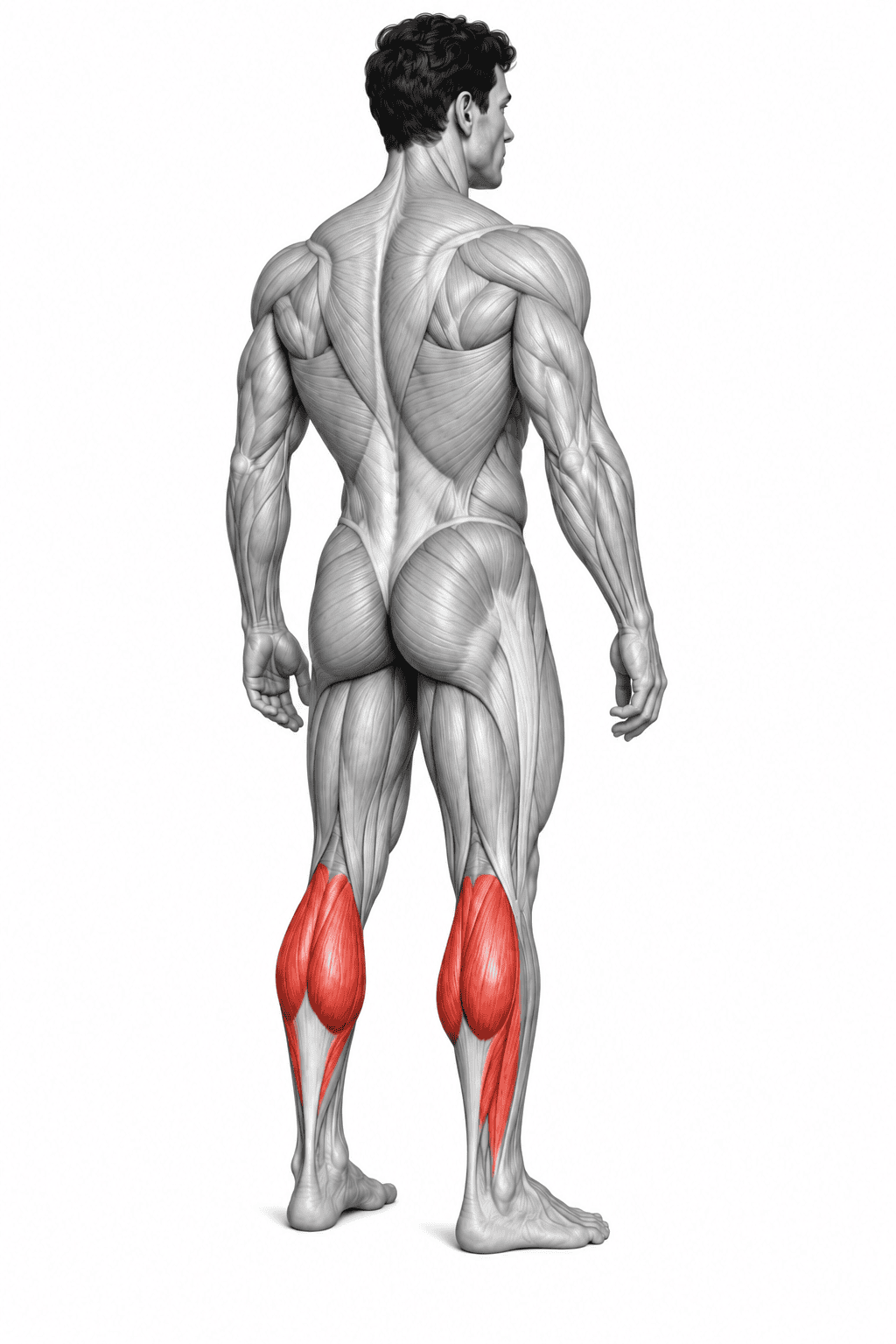
Our legs contain some of the largest and strongest muscles in the human body, providing the foundation for movement, balance, and athletic performance. Strong leg muscles are essential for walking, running, jumping, climbing stairs, and maintaining overall mobility. Regular leg training can improve lower-body strength, enhance functional fitness, support joint health, and contribute to better athletic performance.
Leg Muscle Anatomy
The legs are made up of several major muscle groups that work together to produce movement and stabilize the hips, knees, and ankles.
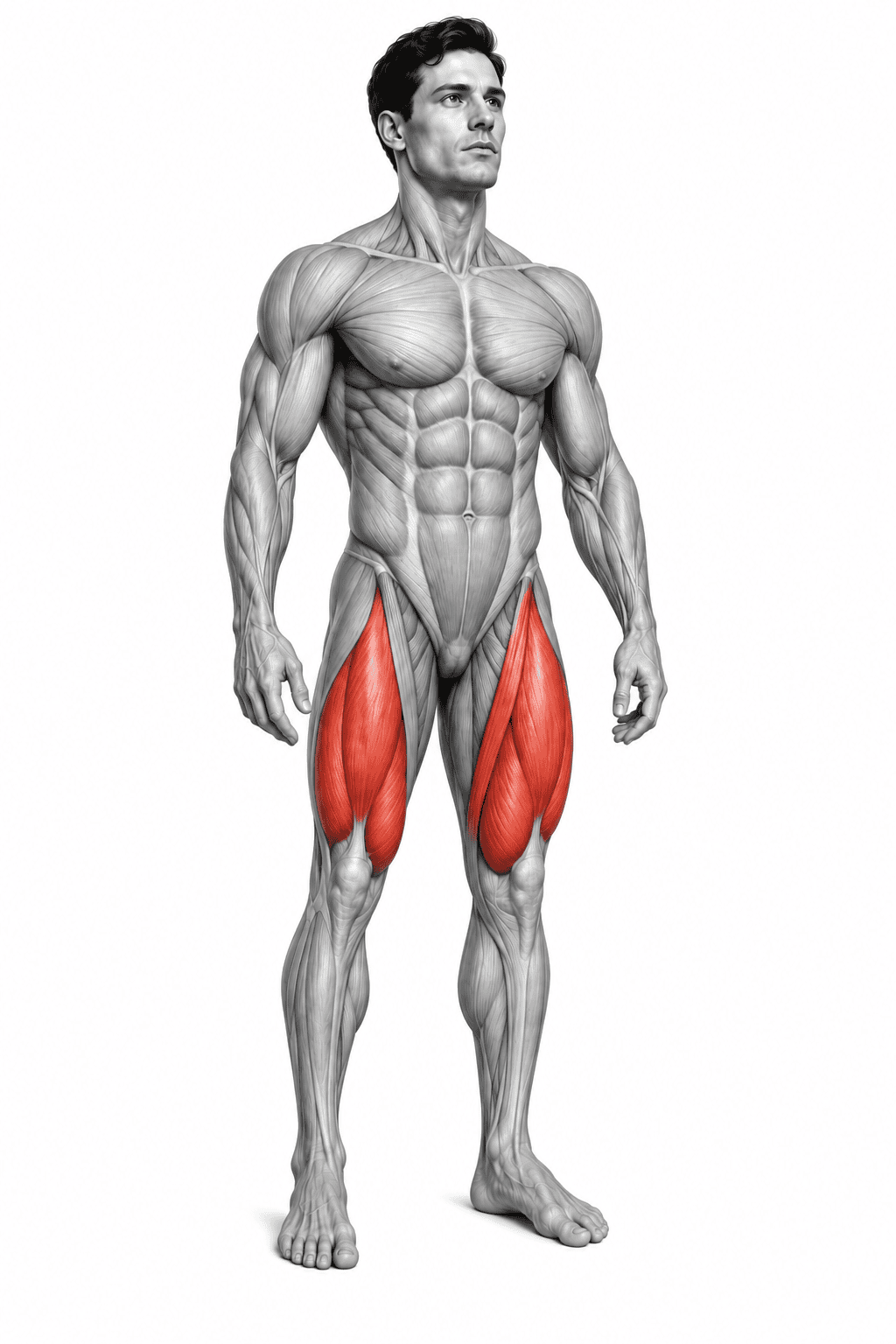
Quadriceps (Front of the Thigh)
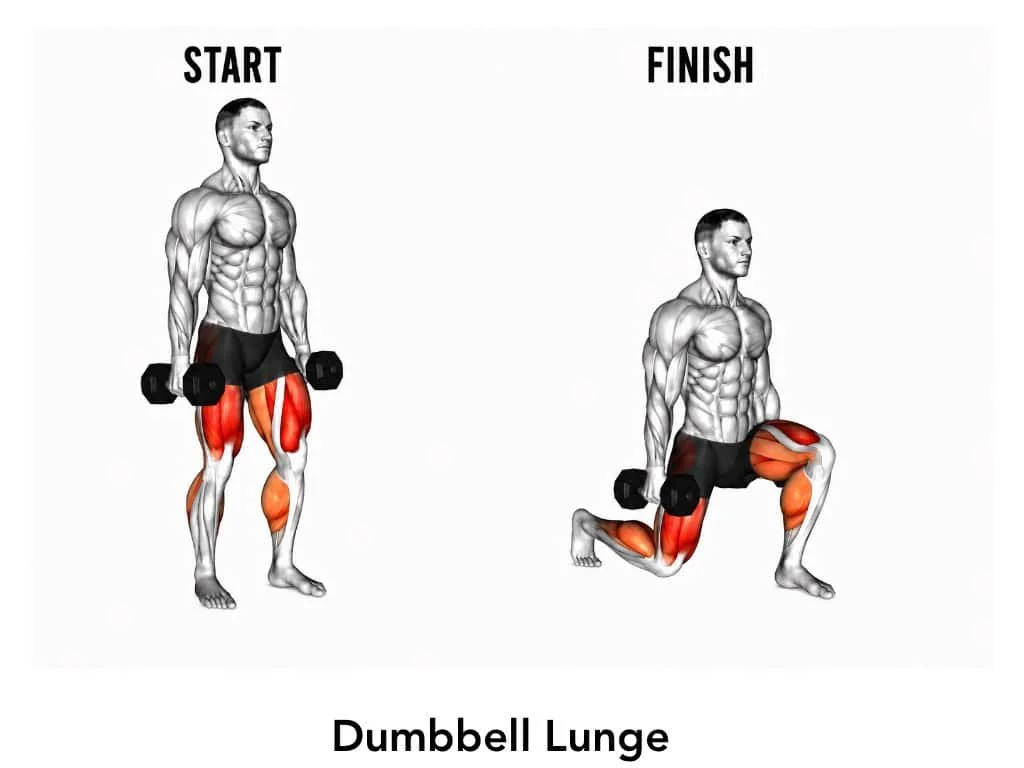
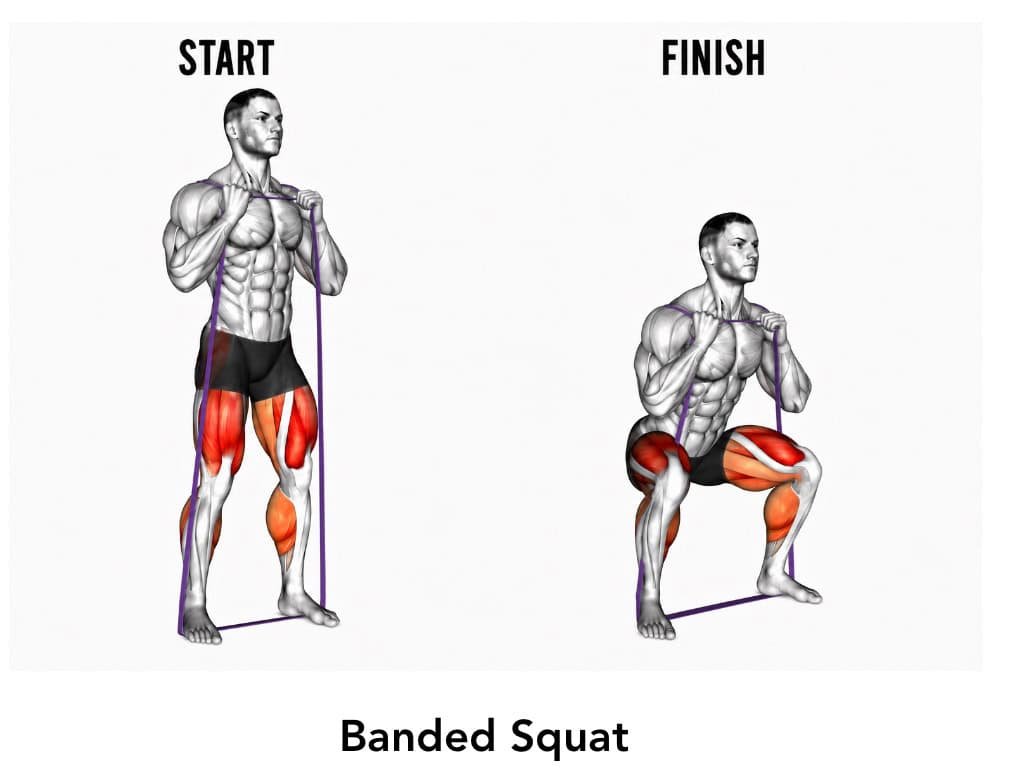
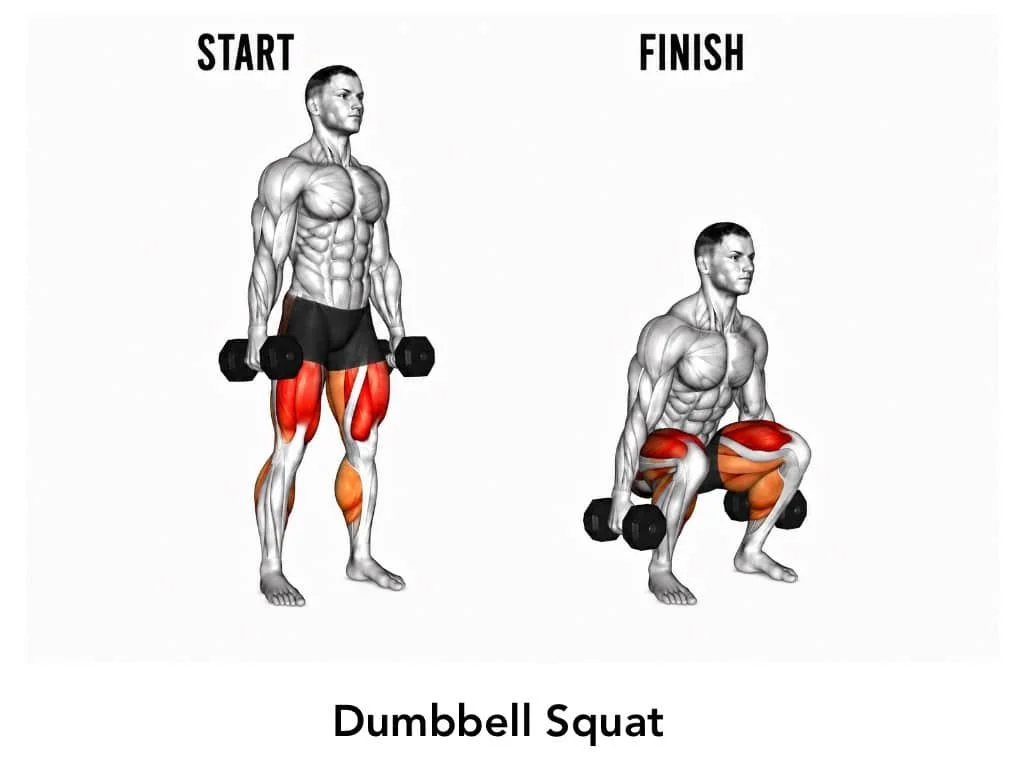
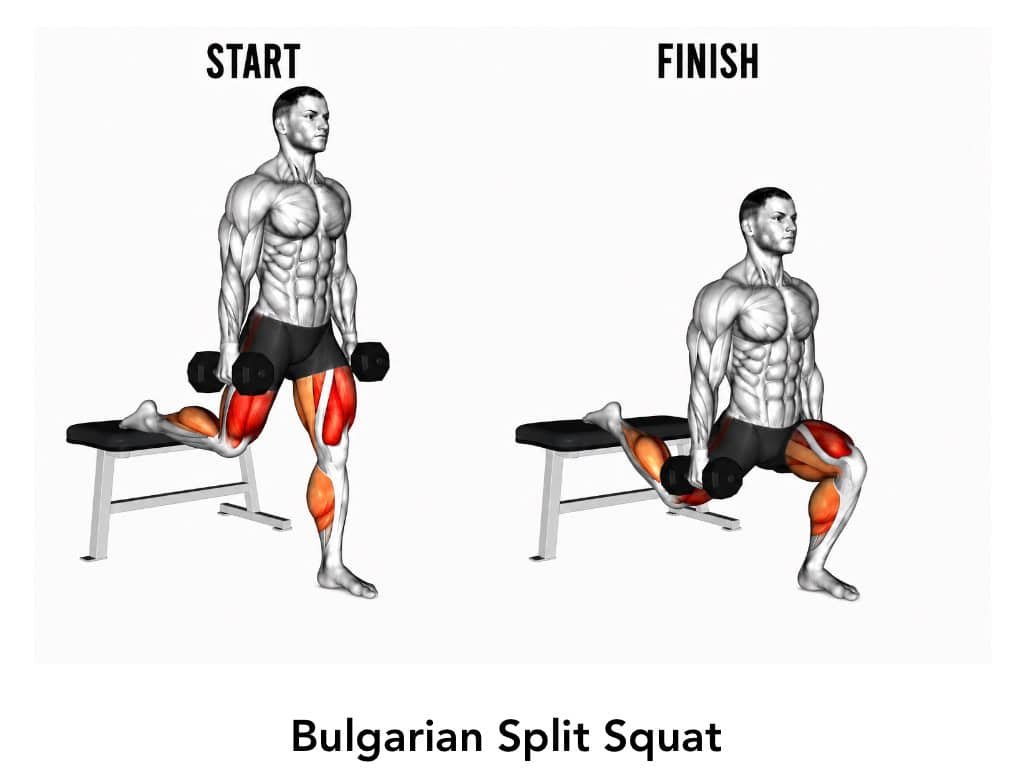
The quadriceps are responsible for extending the knee and assisting with hip flexion.
Rectus Femoris
Vastus Lateralis
Vastus Medialis
Vastus Intermedius
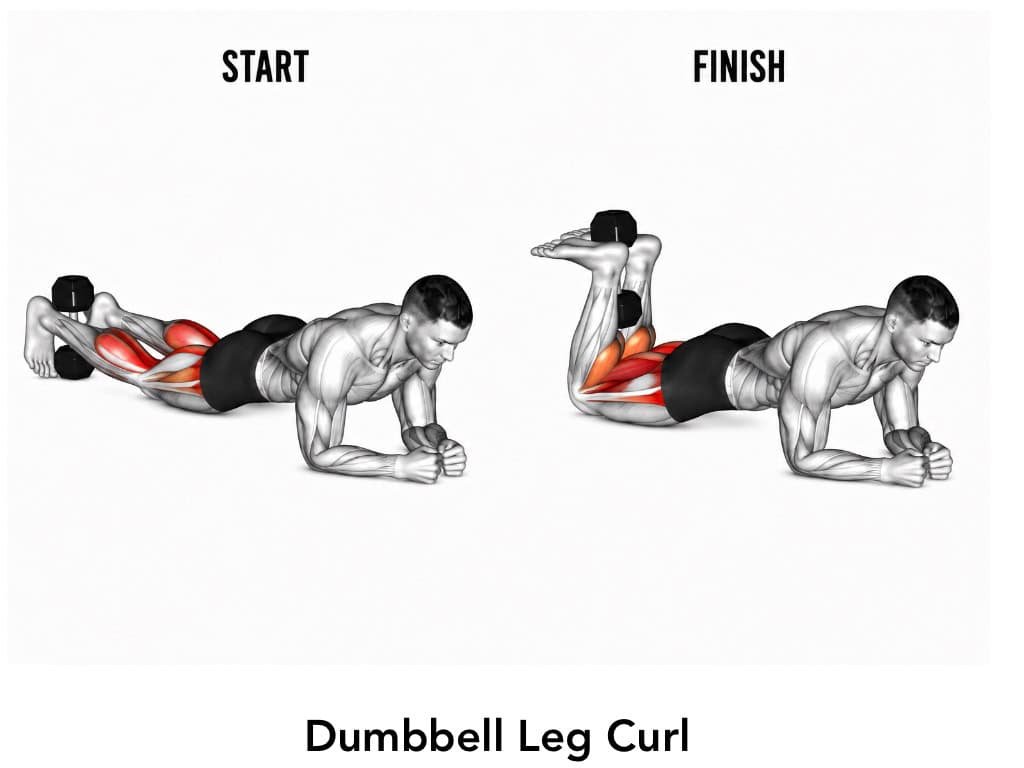
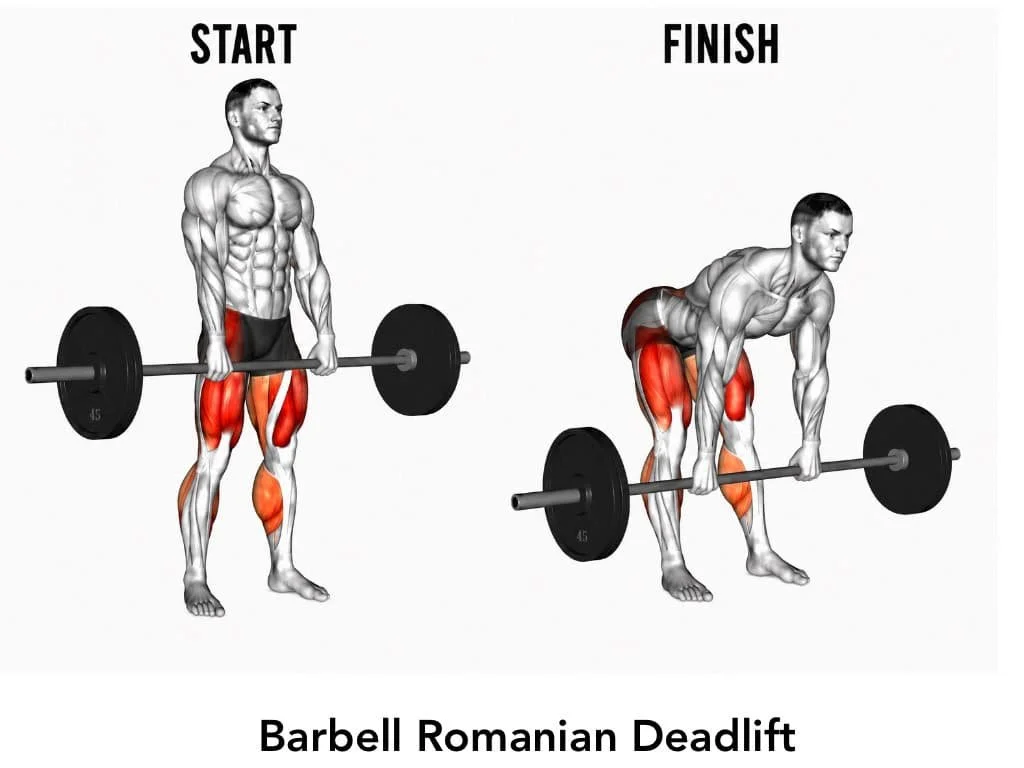
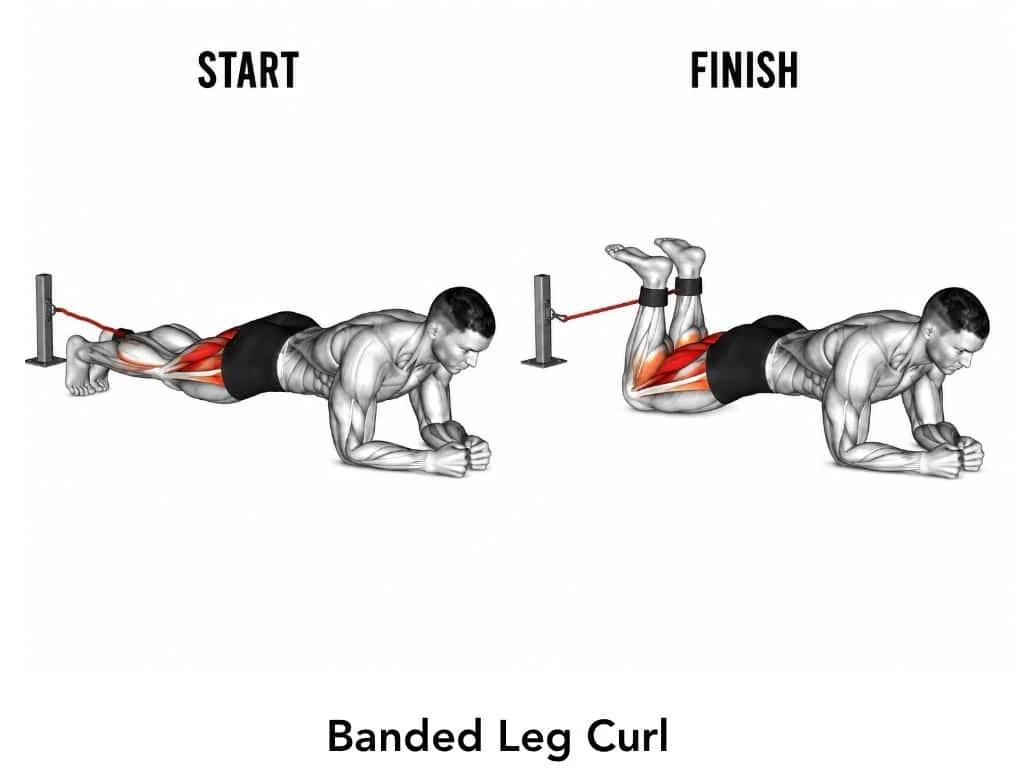
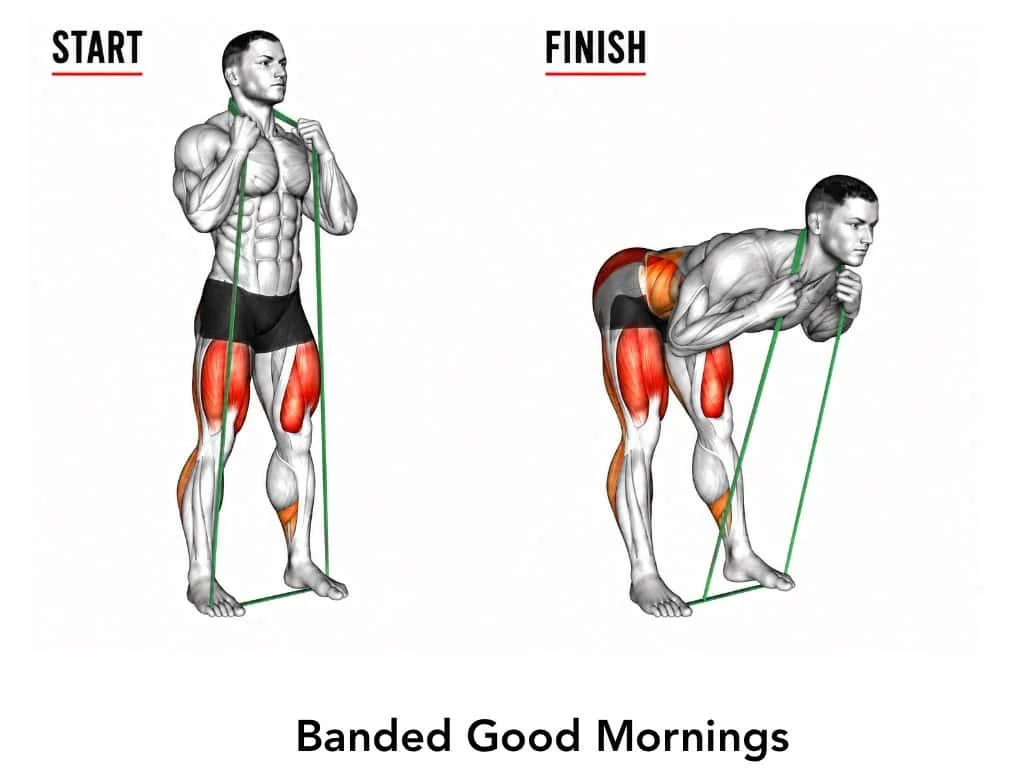
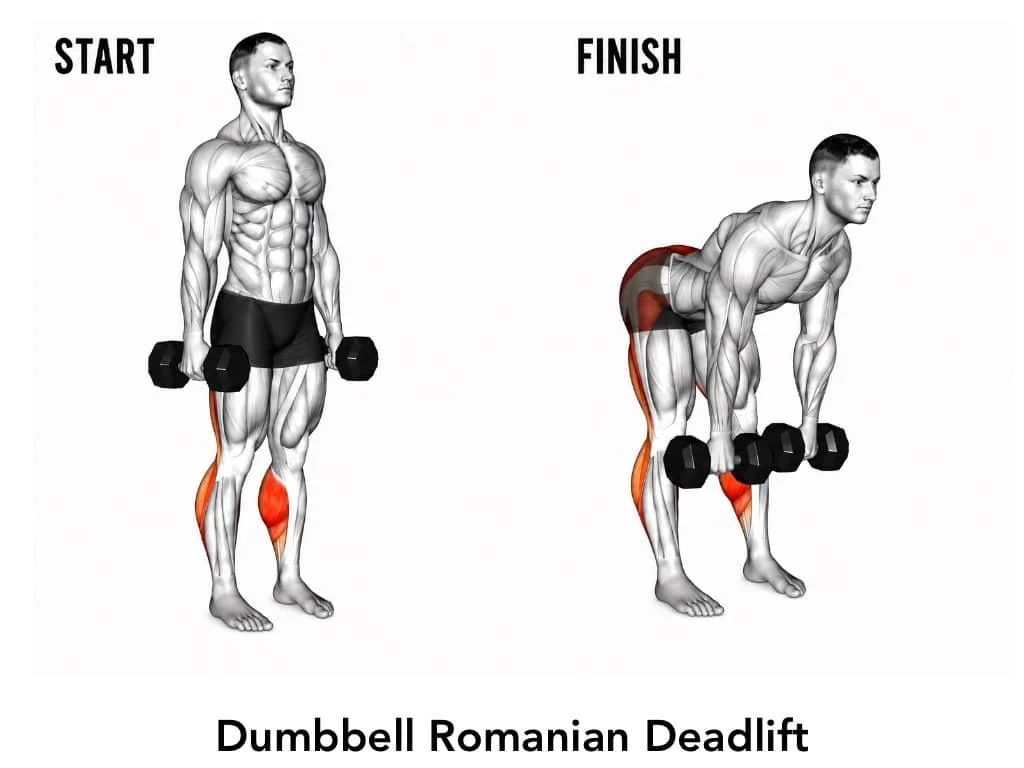
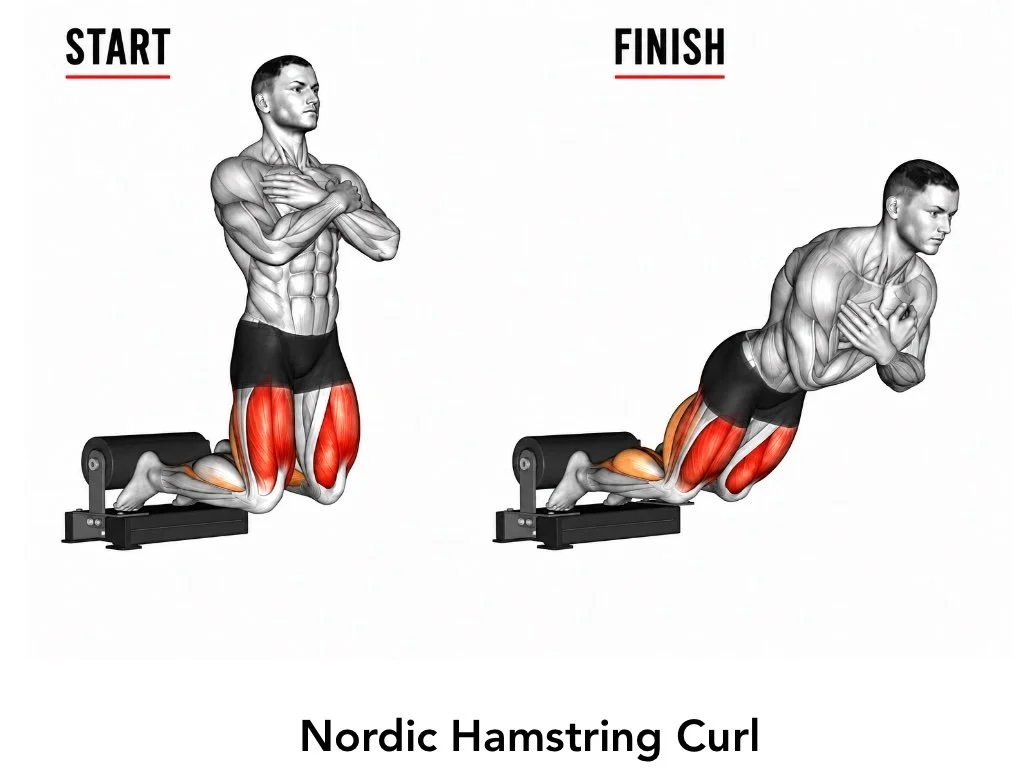
Hamstrings (Back of the Thigh)
The hamstrings are responsible for knee flexion and hip extension.
Biceps Femoris
Semitendinosus
Semimembranosus
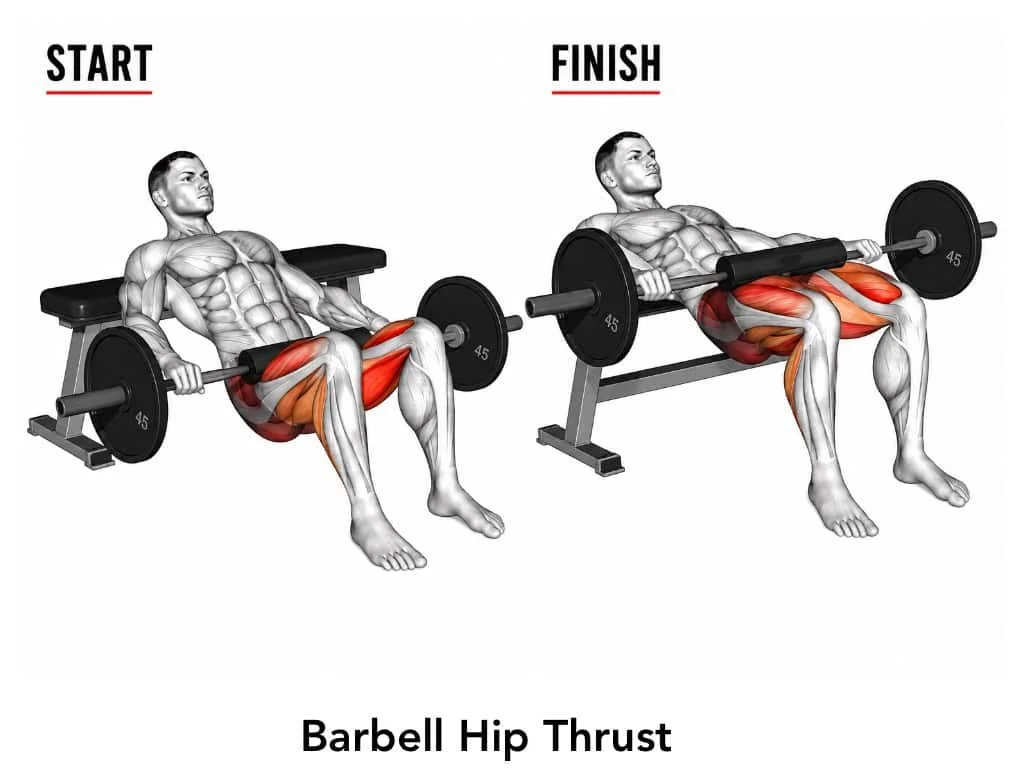
Gluteal Muscles
The glutes are among the strongest muscles in the body and play a key role in hip movement and stability.
Gluteus Maximus – Primary muscle for hip extension and power generation.
Gluteus Medius – Important for pelvic stability and hip abduction.
Gluteus Minimus – Assists with hip stabilization and movement.
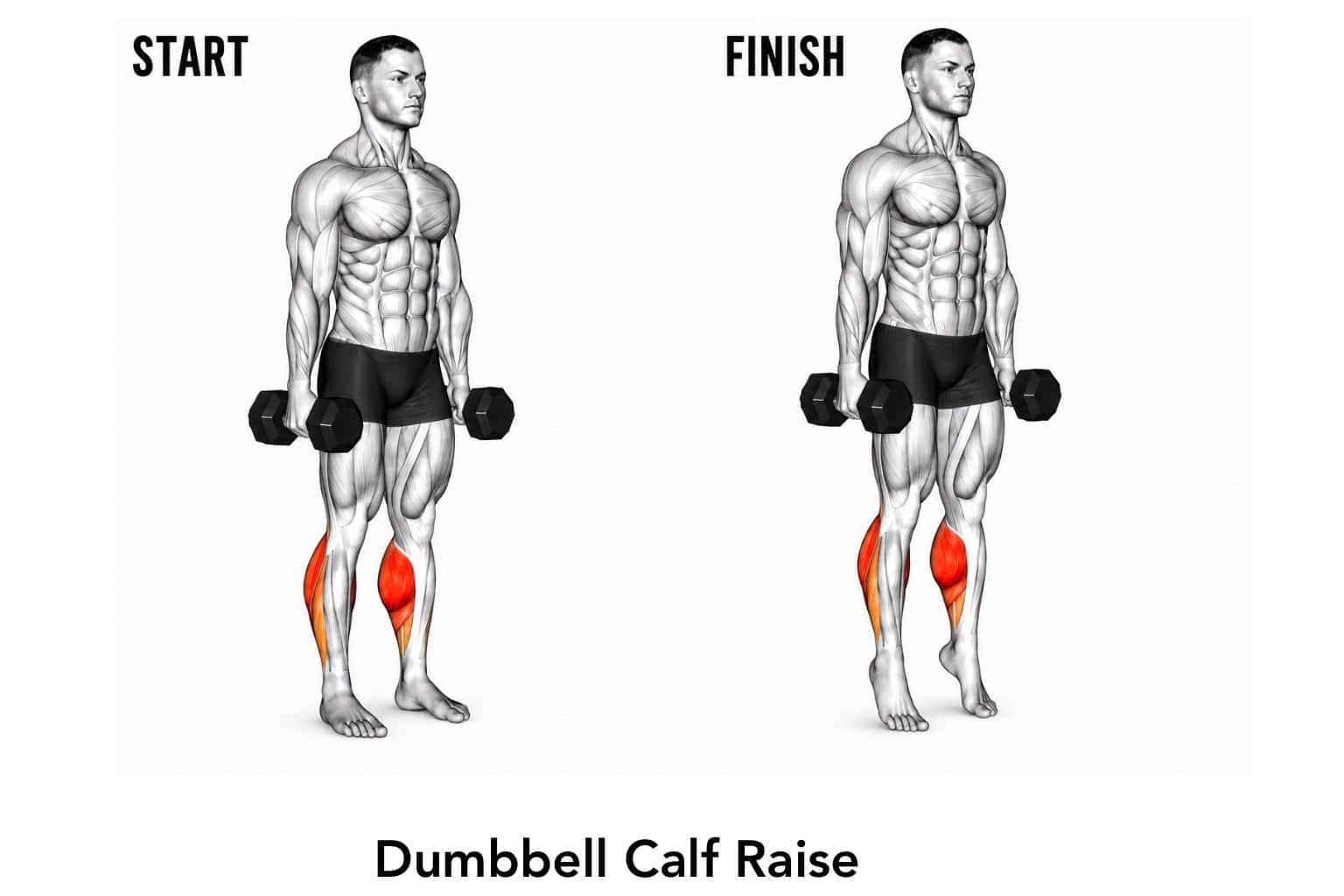
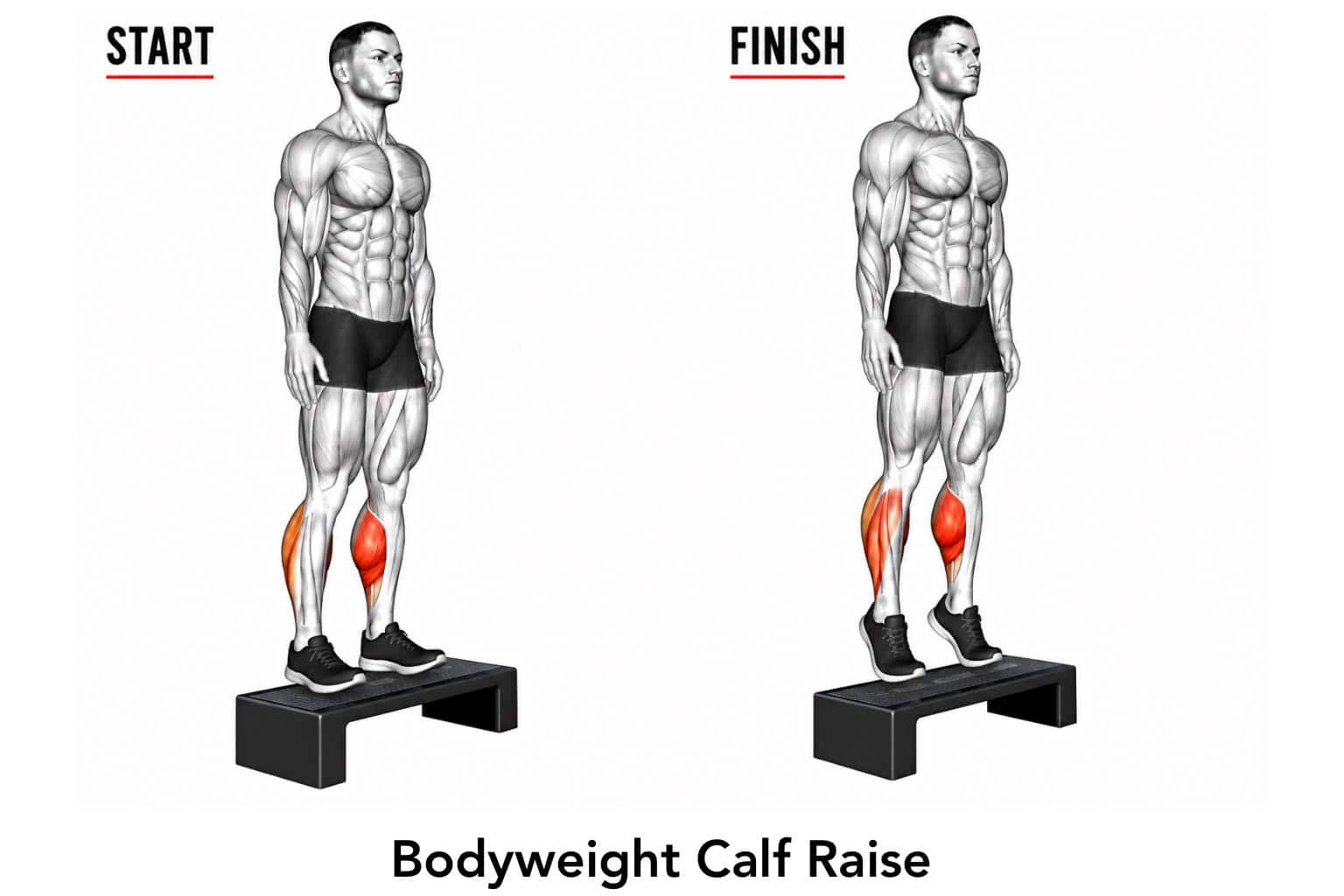
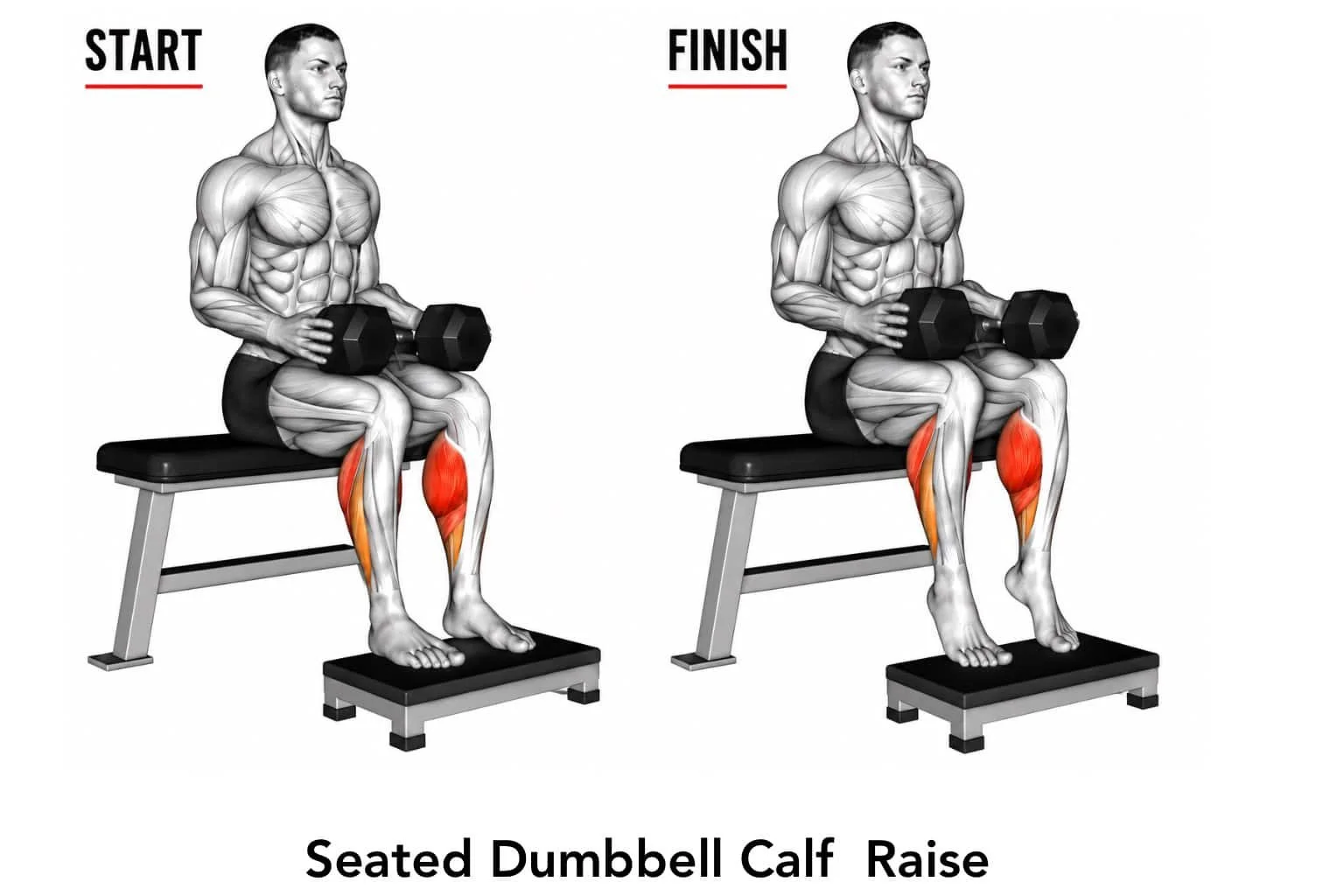
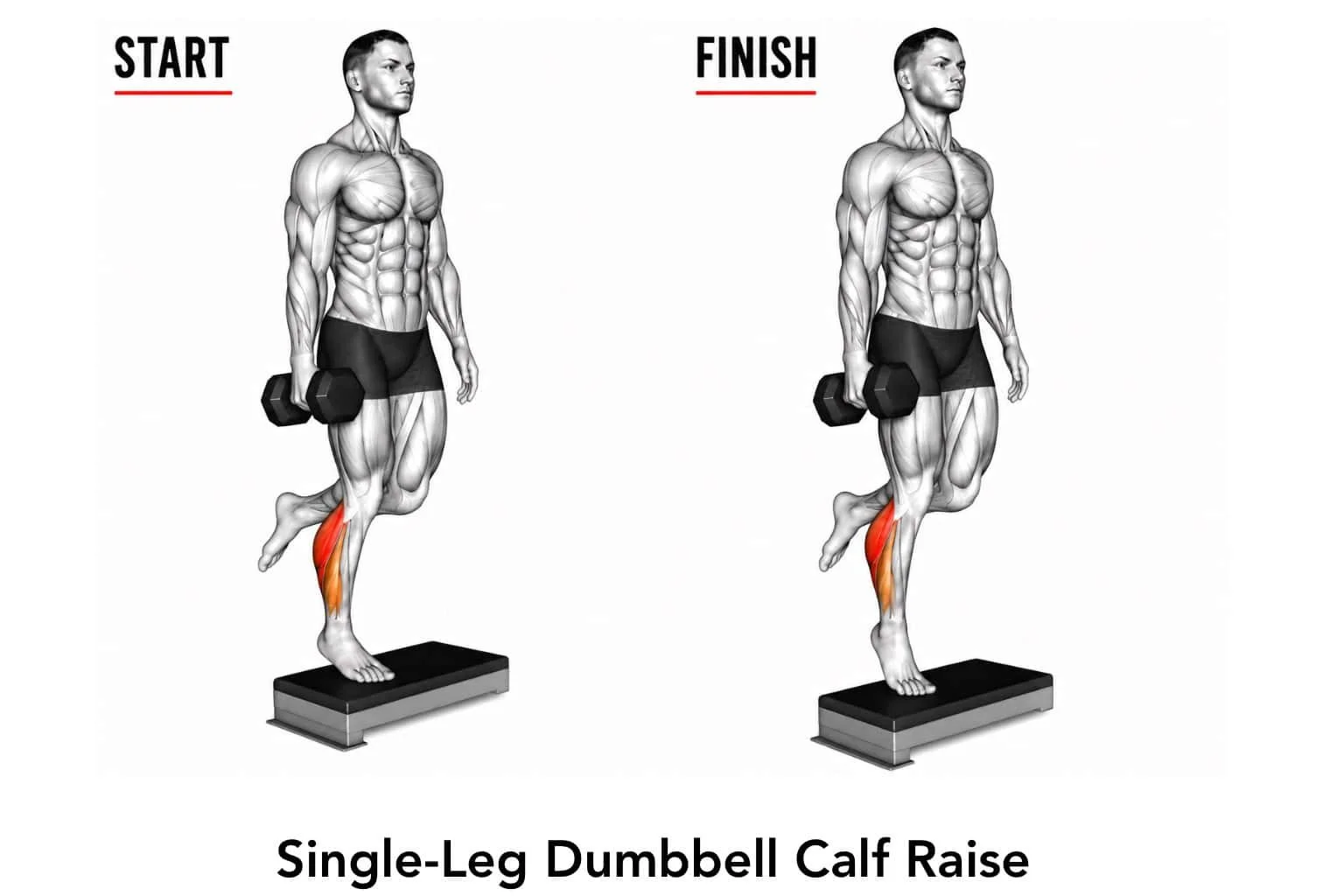
Calf Muscles
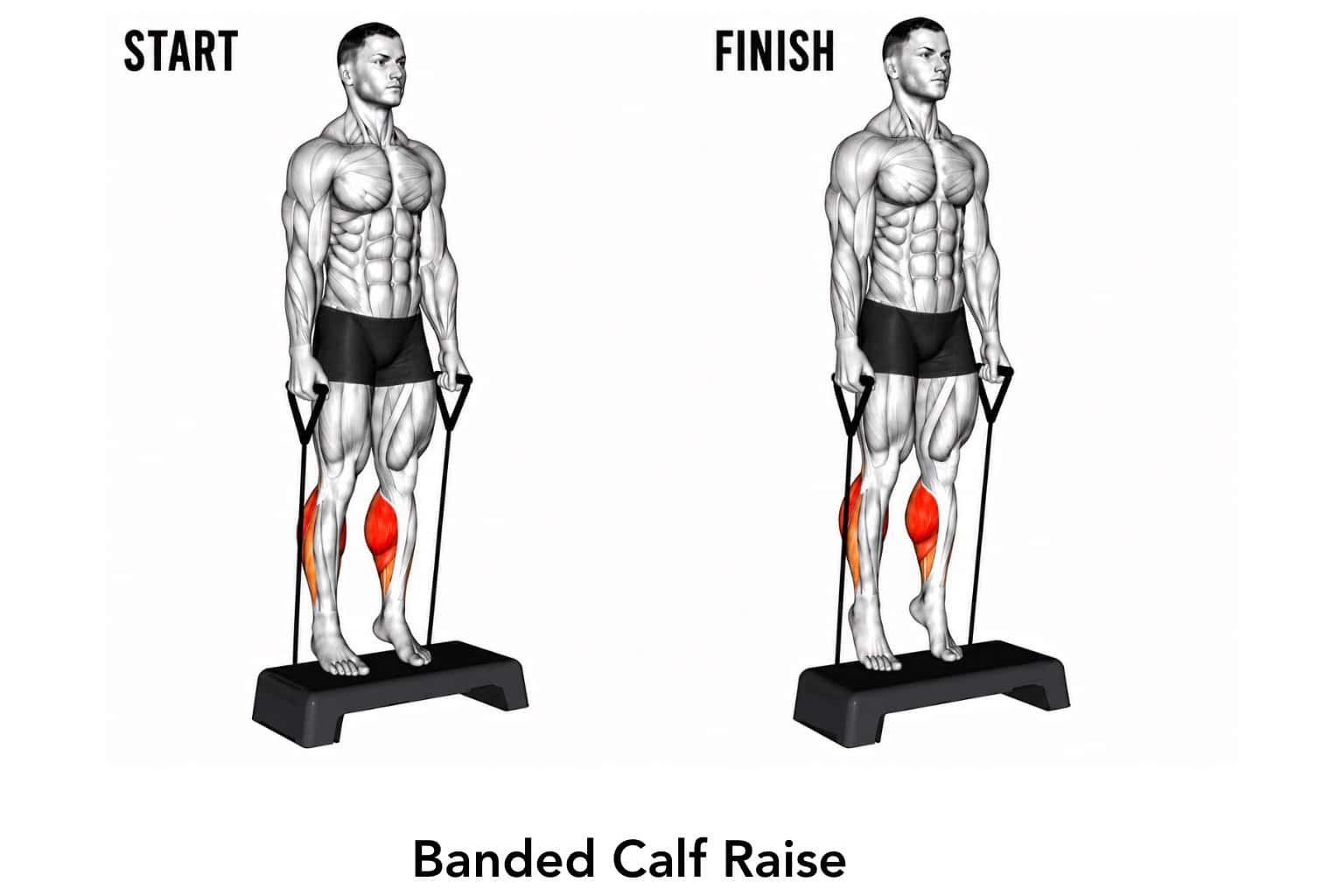
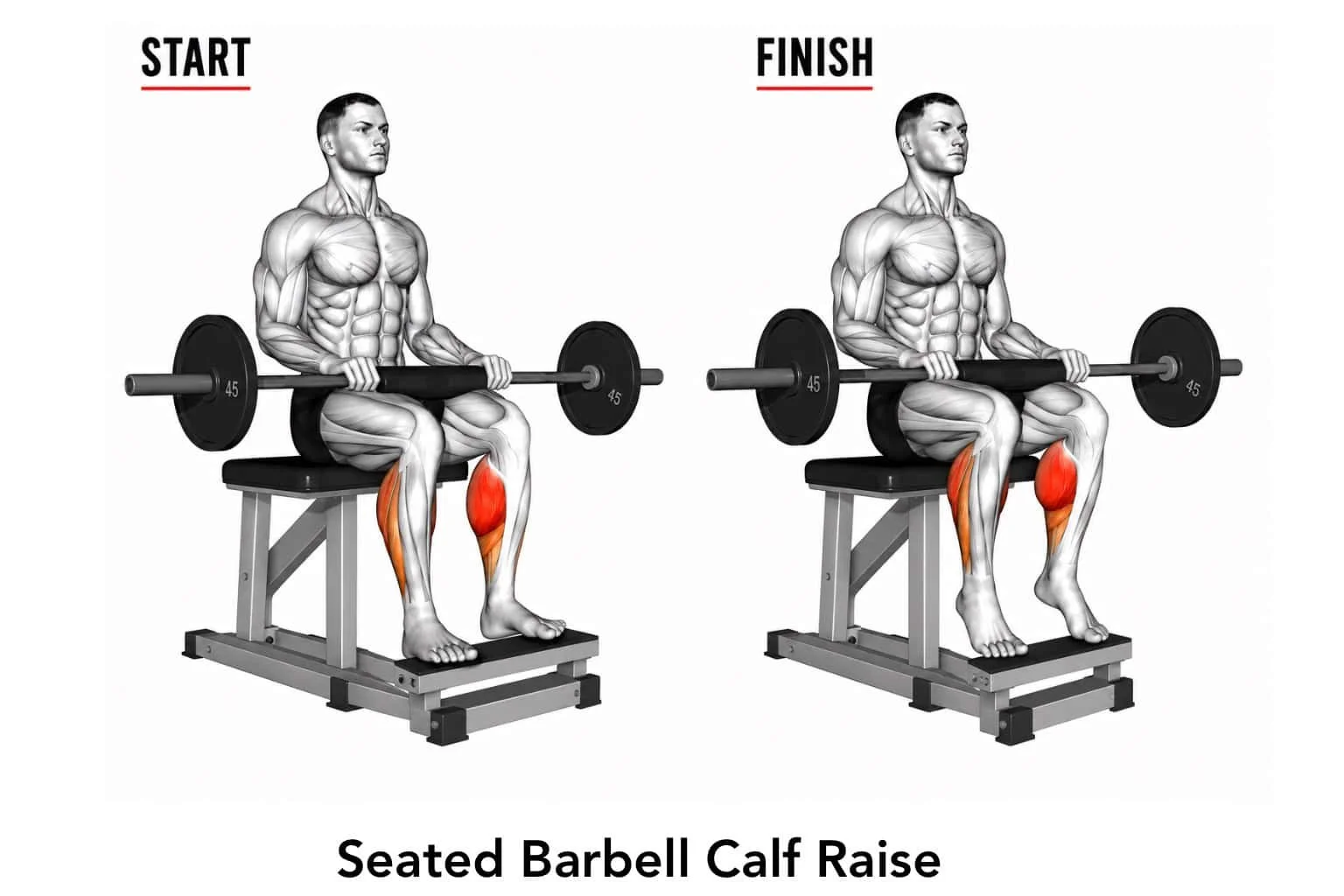
The calves are responsible for ankle movement and propulsion during walking and running.
Gastrocnemius – The larger, more visible calf muscle.
Soleus – Located beneath the gastrocnemius and important for endurance activities.
Plantaris – A small muscle that assists with lower-leg movement.
Hip and Supporting Muscles
Additional muscles help stabilize and control lower-body movement.
Hip Flexors
Adductors (Inner Thighs)
Abductors (Outer Hips)
Tensor Fasciae Latae (TFL)
Benefits of Leg Training
Regular leg exercises can:
Increase lower-body strength and power.
Improve balance, coordination, and stability.
Enhance athletic performance in sports and fitness activities.
Support healthy hip, knee, and ankle function.
Improve mobility and functional movement.
Increase calorie expenditure due to the large muscle mass involved.
Reduce the risk of muscular imbalances and injury.
Medical and Safety Considerations
Leg exercises place significant demands on the muscles, tendons, ligaments, and joints of the lower body. Proper technique is important to maximize effectiveness and reduce injury risk.
Warm up thoroughly before training.
Maintain proper knee and hip alignment during exercises.
Use a full but comfortable range of motion.
Avoid excessive weight that compromises technique.
Strengthen the core to support proper posture during compound lifts.
Progress training volume and resistance gradually.
Stop exercising if you experience sharp pain in the hips, knees, ankles, or lower back.
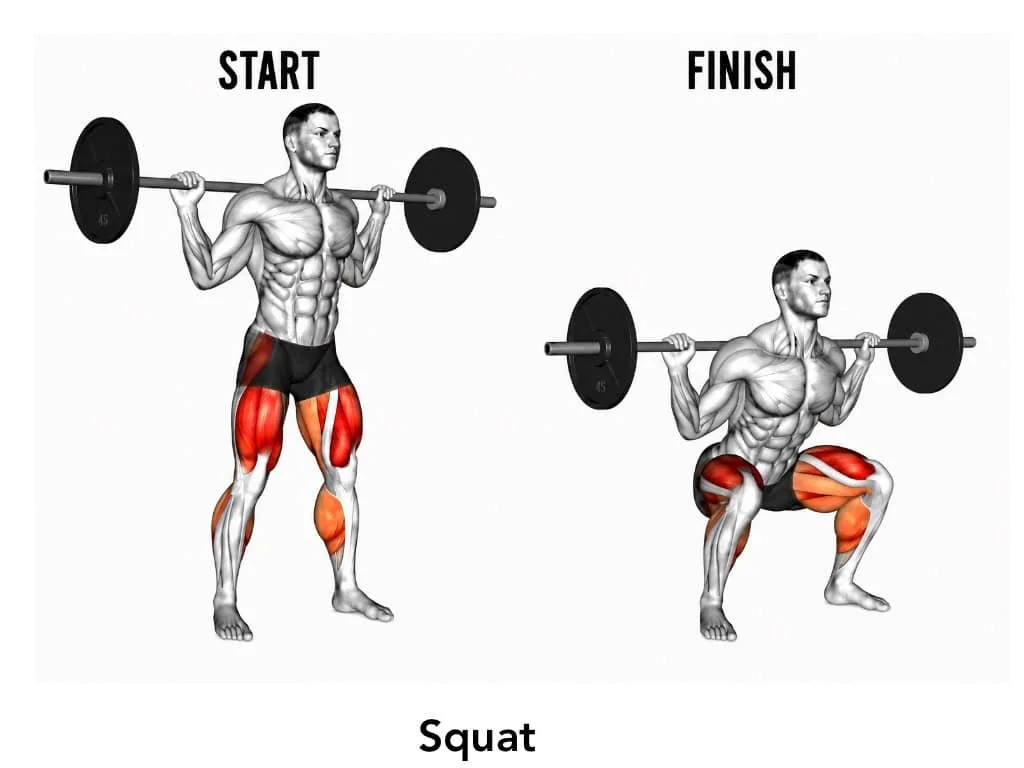
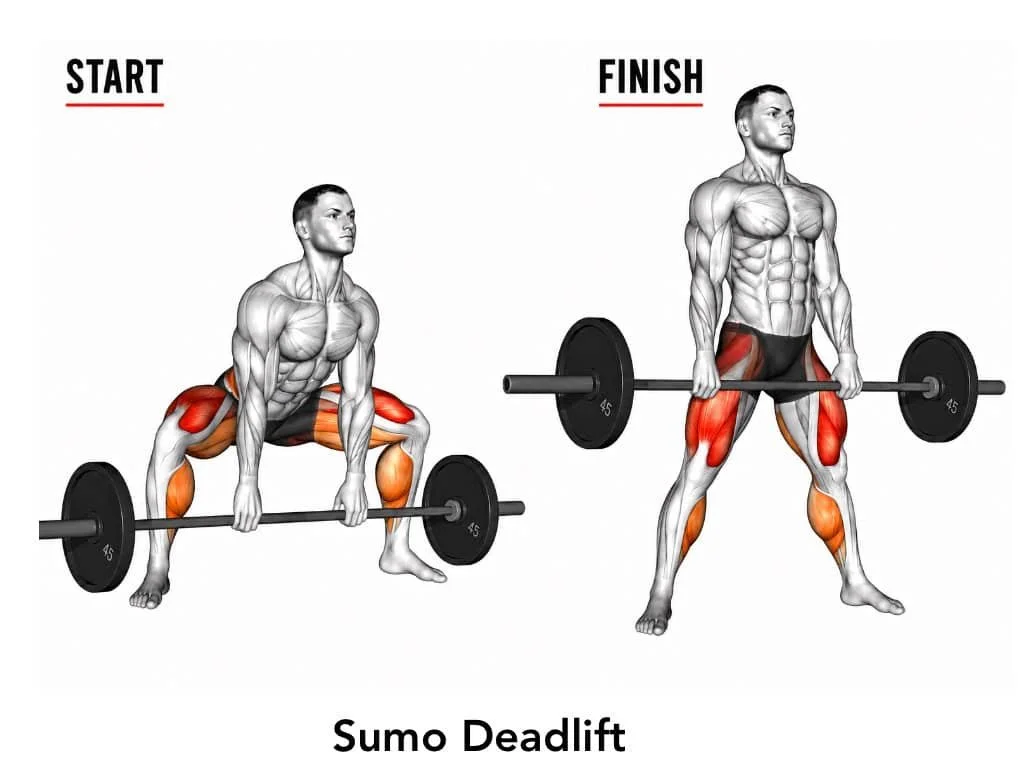
Training all major leg muscle groups through a combination of squatting, hinging, lunging, and calf-focused movements can help build strength, improve athletic performance, enhance mobility, and support long-term joint health while promoting balanced lower-body development.
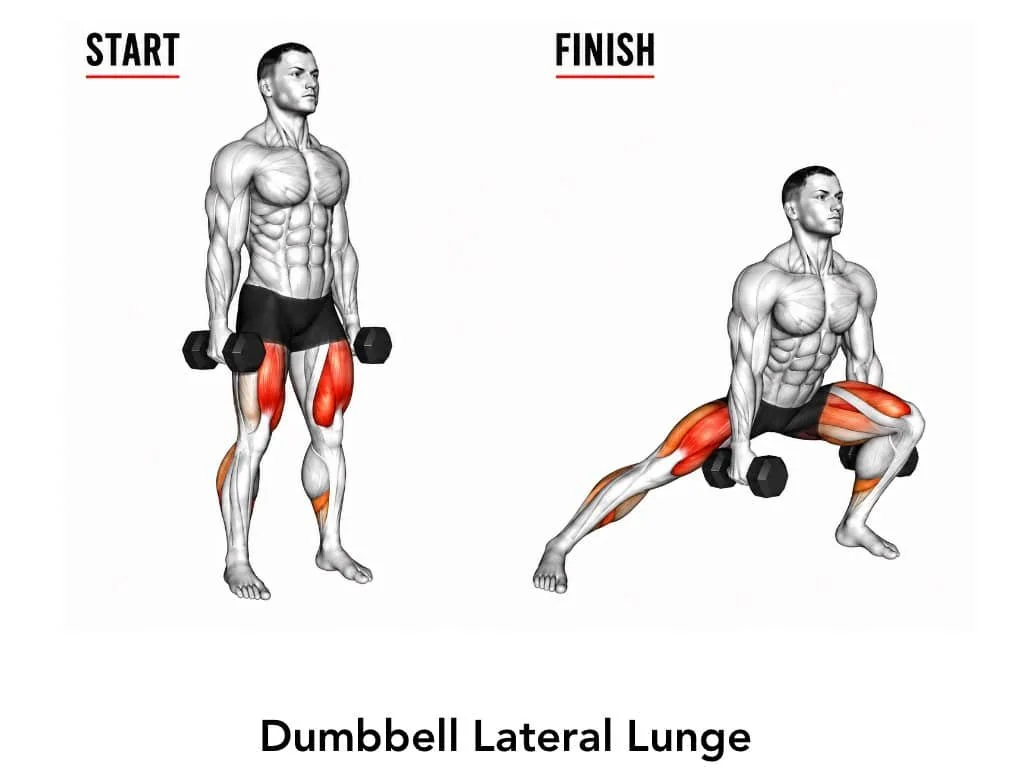
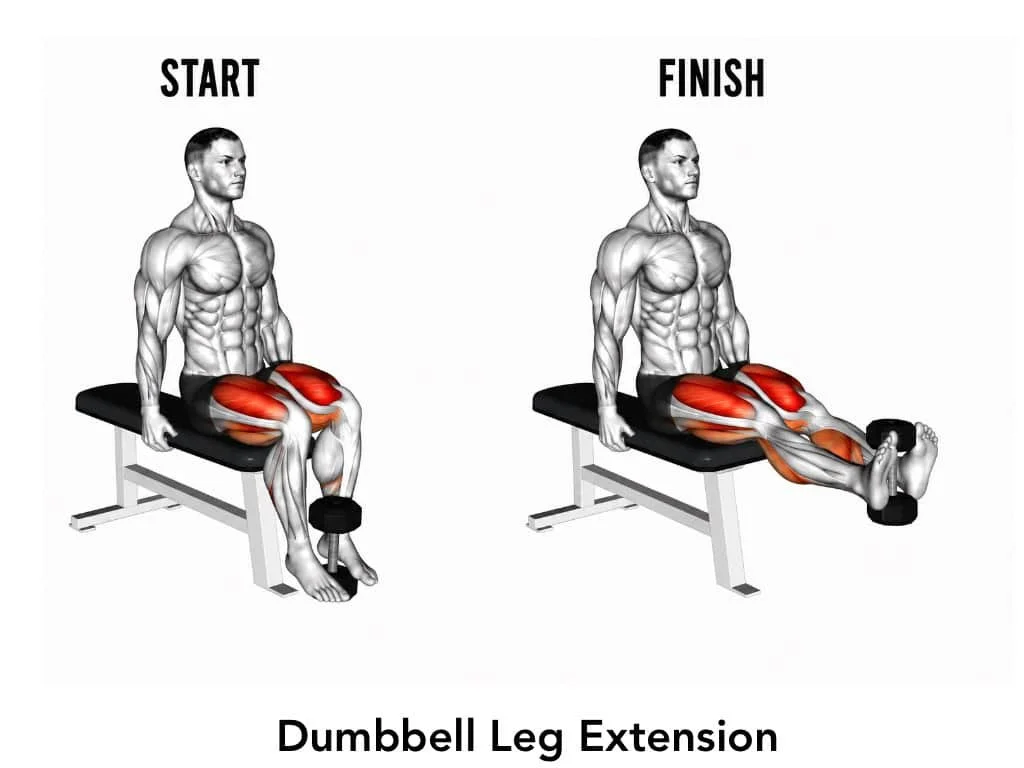
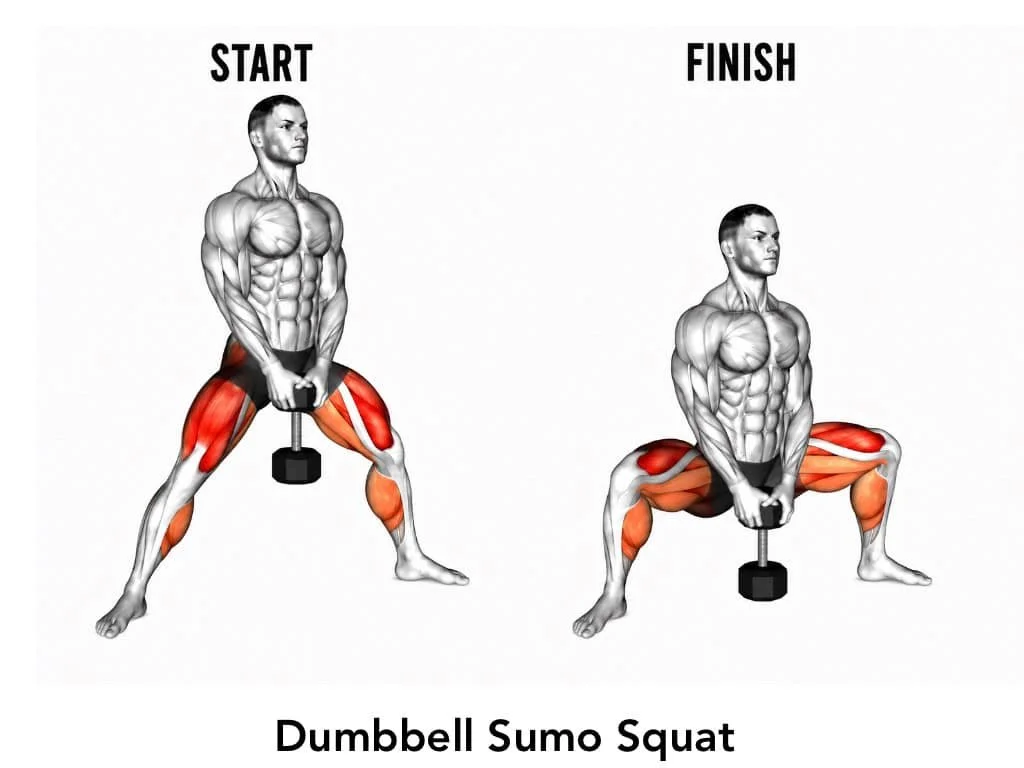
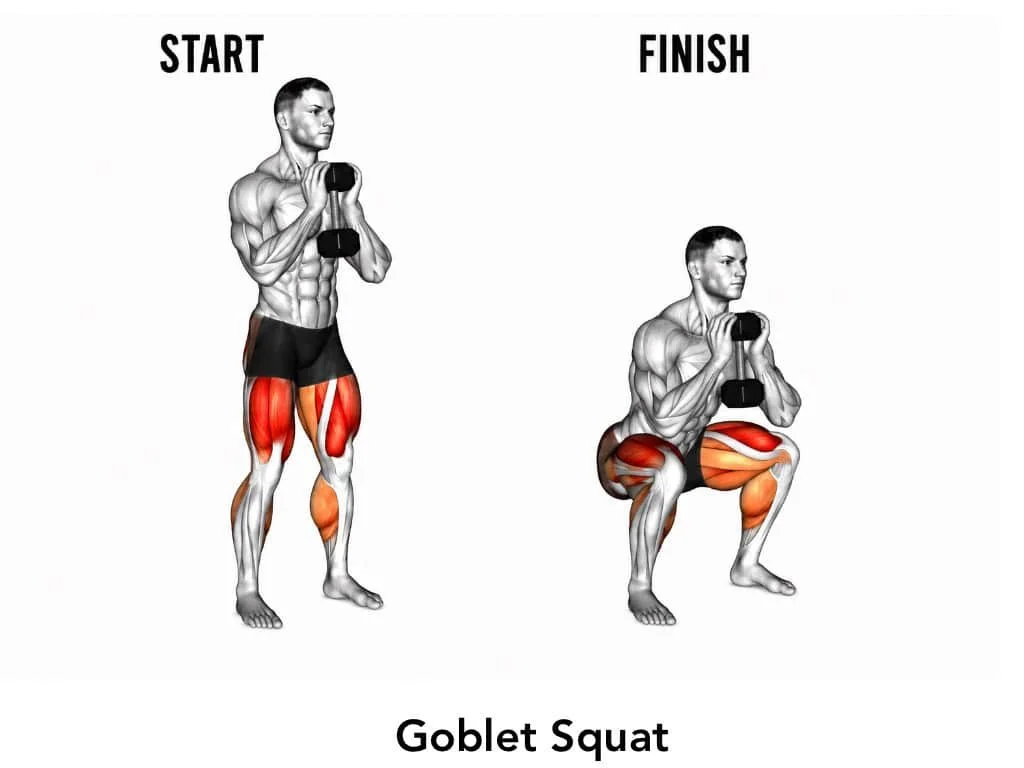
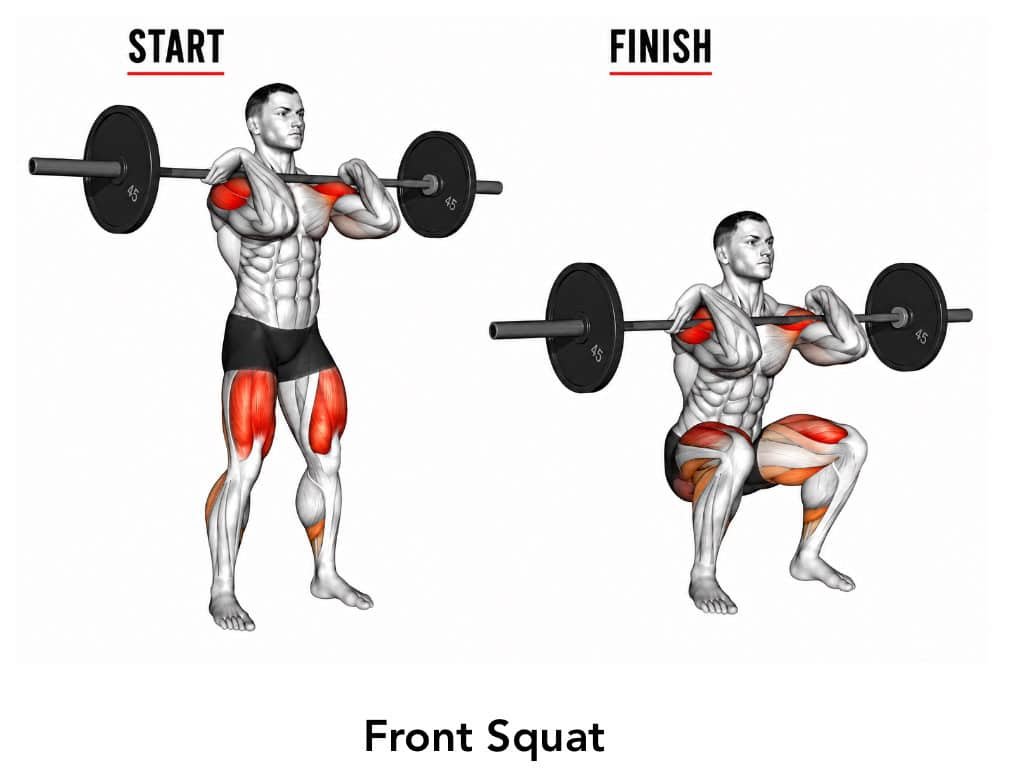
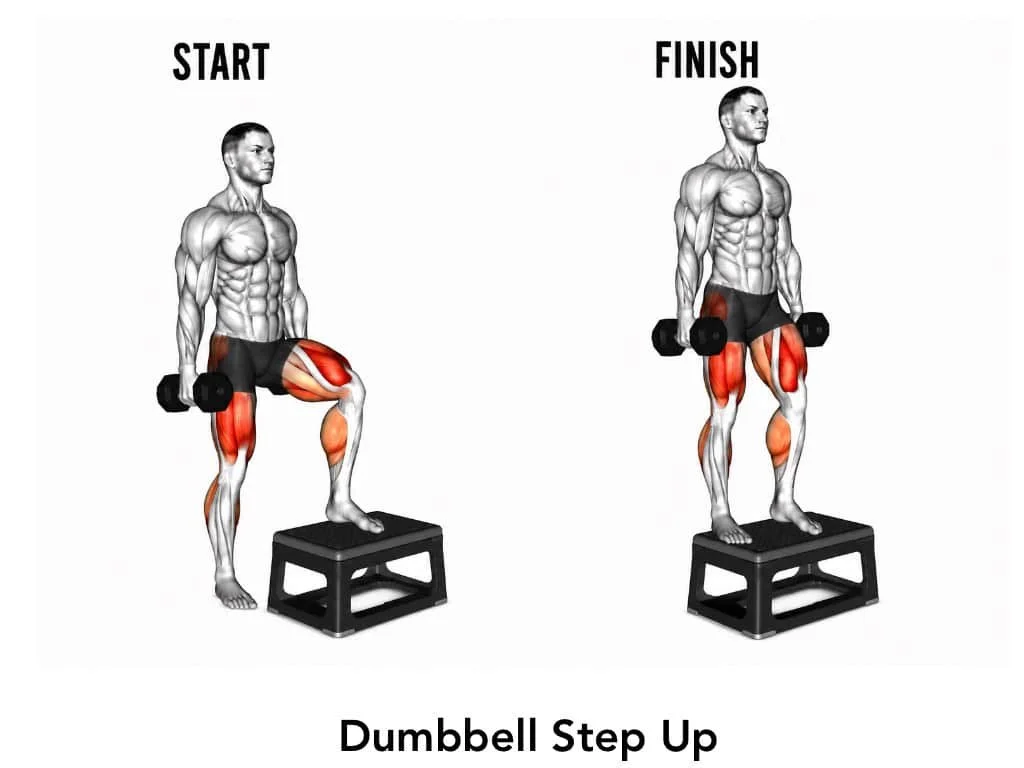
Quads
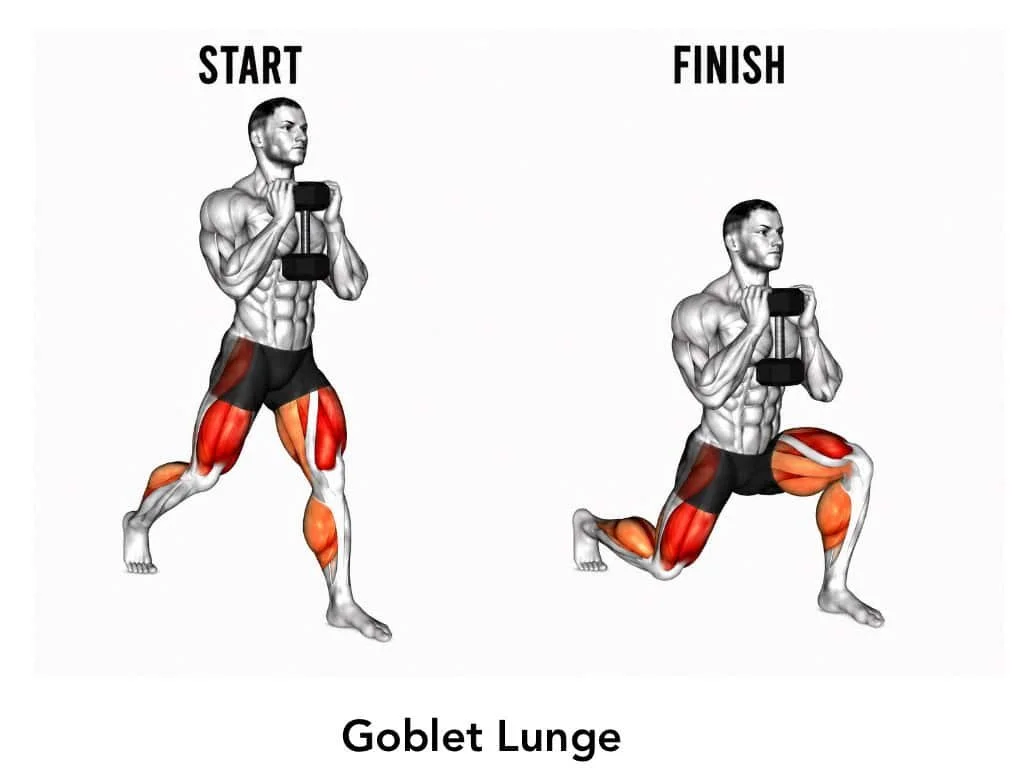
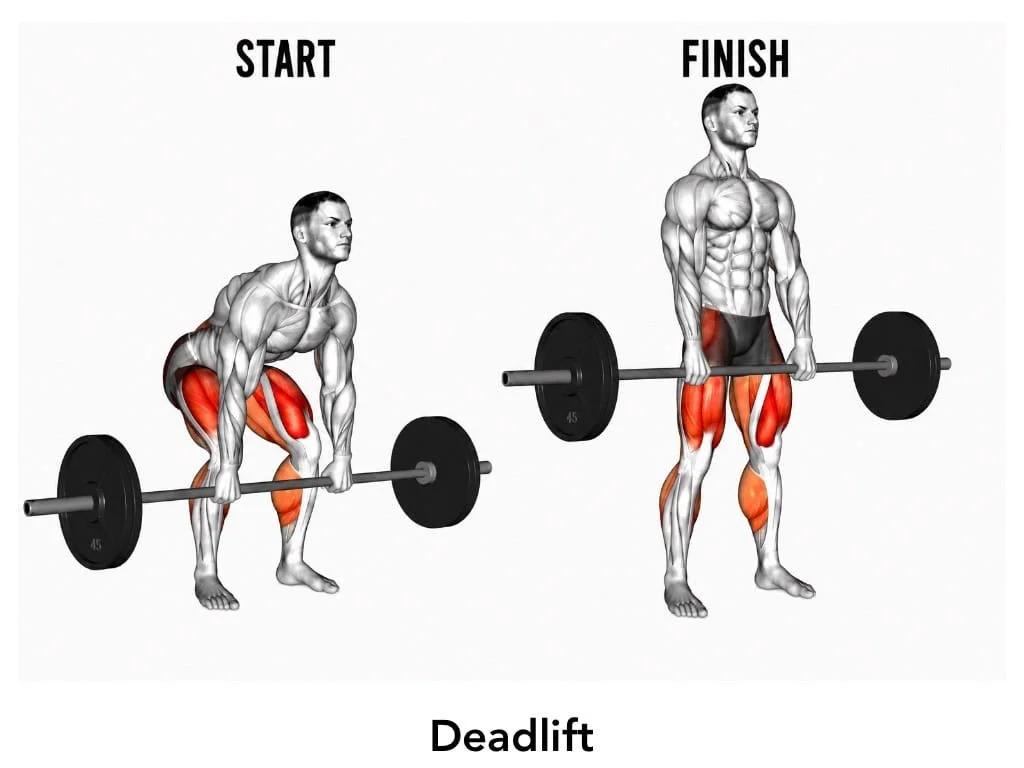
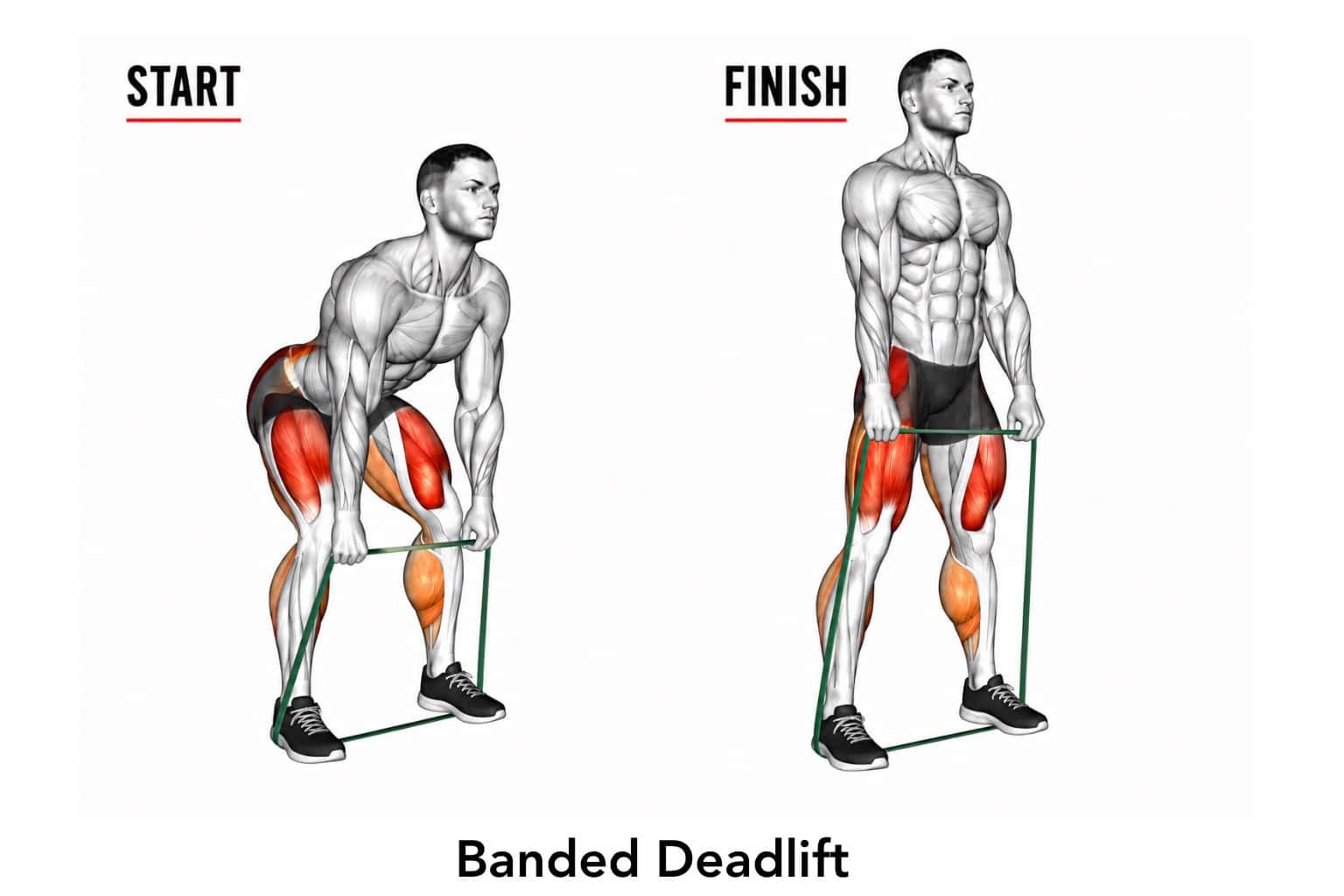
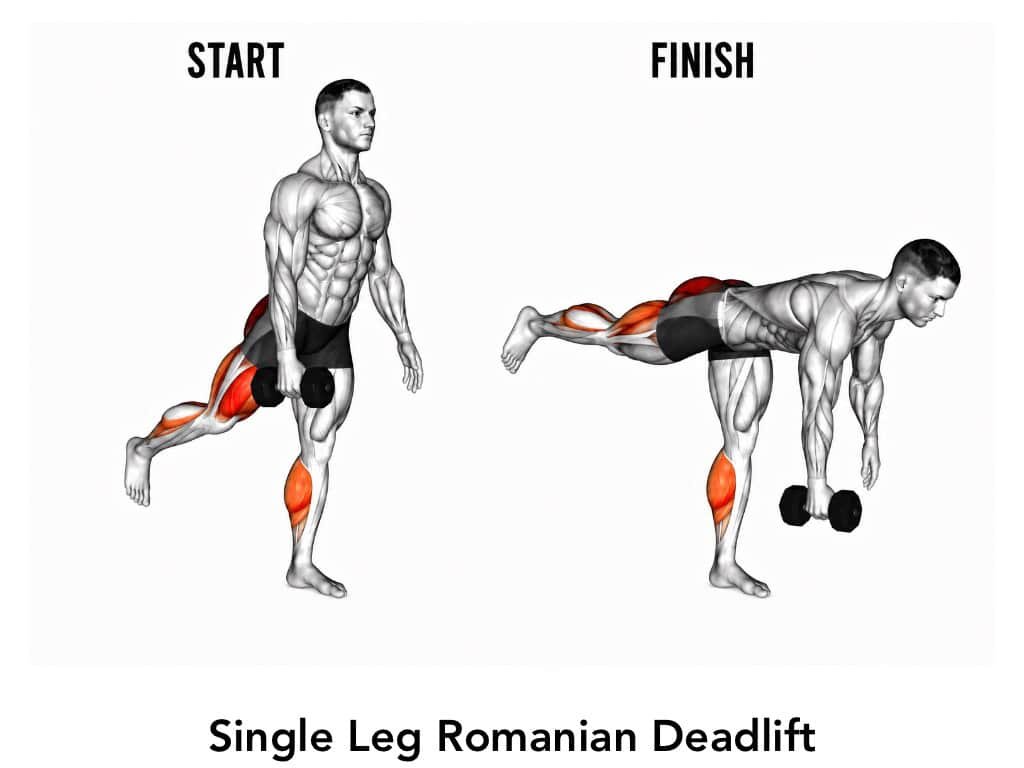
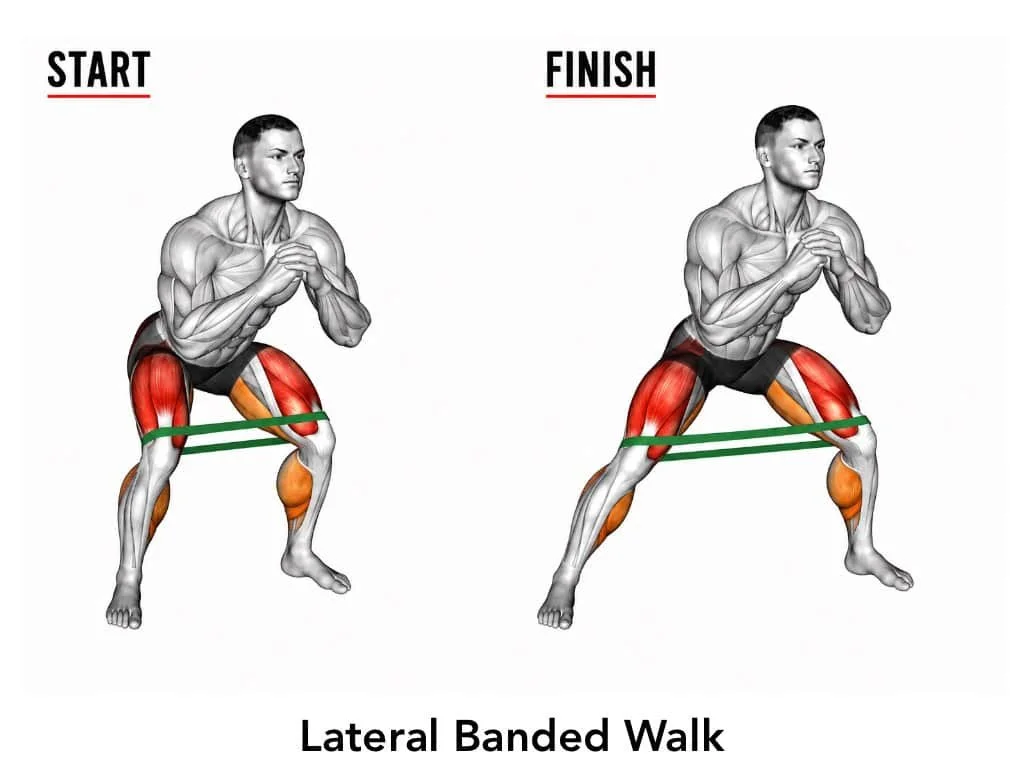
Hamstrings And Glutes
Calves