Arm Exercises
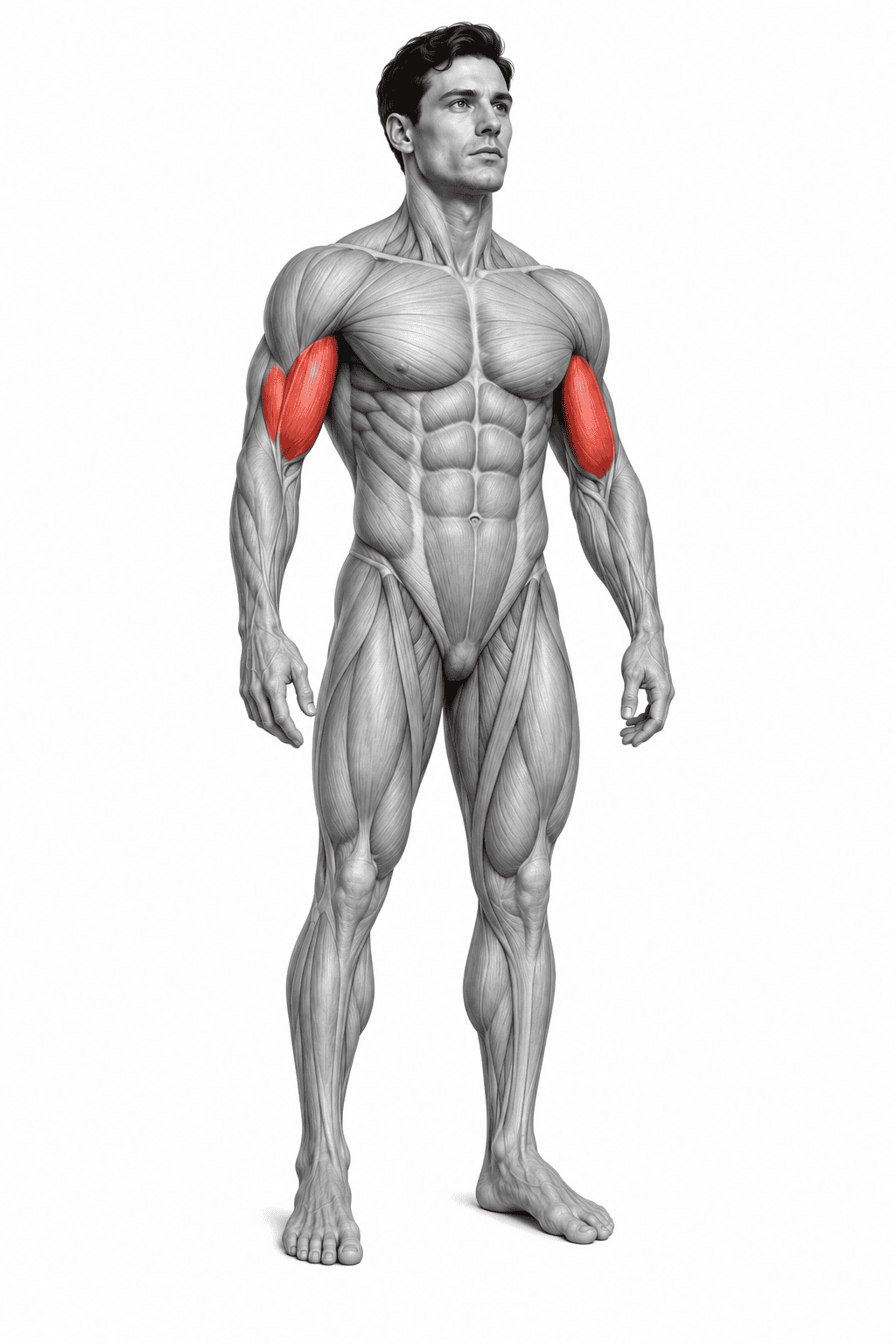
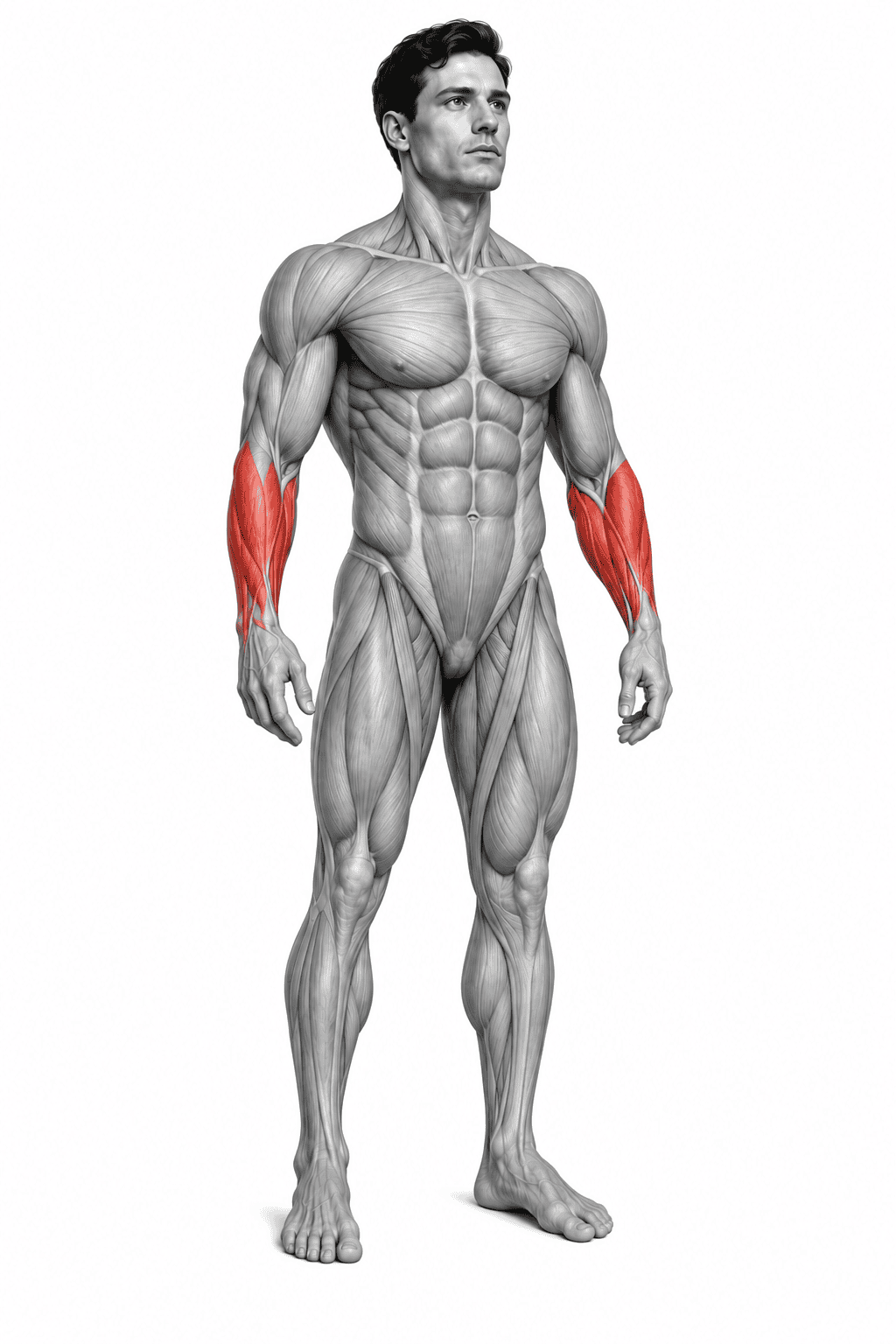
Arm muscles are responsible for many everyday movements, including lifting, carrying, pushing, pulling, and gripping. Strong arms not only improve athletic performance and upper-body strength but also support functional movements used in daily life. A well-rounded arm training program targets both the front and back of the upper arms, as well as the muscles of the forearms, to promote balanced development and joint stability.
Arm Muscle Anatomy
The arms consist of several important muscle groups that work together to produce movement and control the elbow, wrist, and hand.
Biceps Muscles
Biceps Brachii – The primary muscle on the front of the upper arm, responsible for elbow flexion and forearm supination (rotating the palm upward).
Long Head – Contributes to the outer appearance and peak of the biceps.
Short Head – Contributes to the overall thickness of the upper arm.
Brachialis – Located beneath the biceps, helping with elbow flexion and adding arm size.
Brachioradialis – A major forearm muscle that assists with elbow flexion and grip strength.
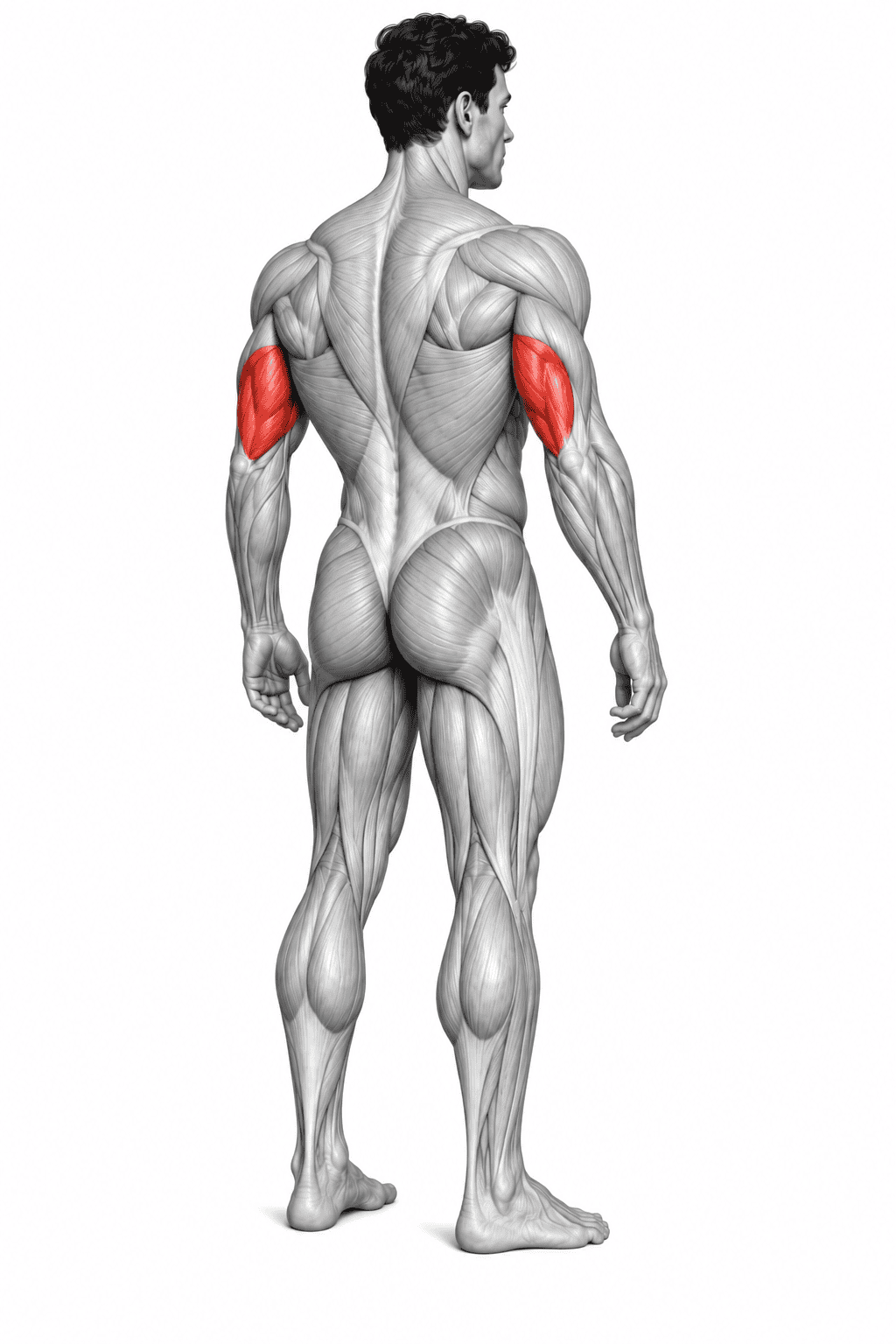
Triceps Muscles
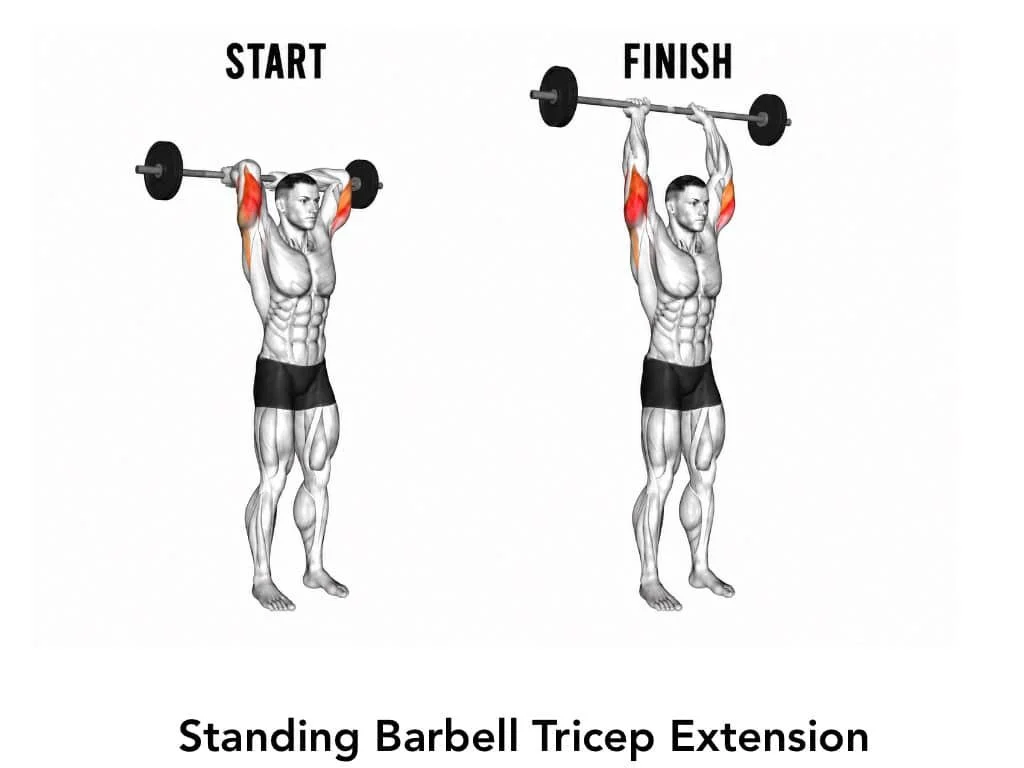
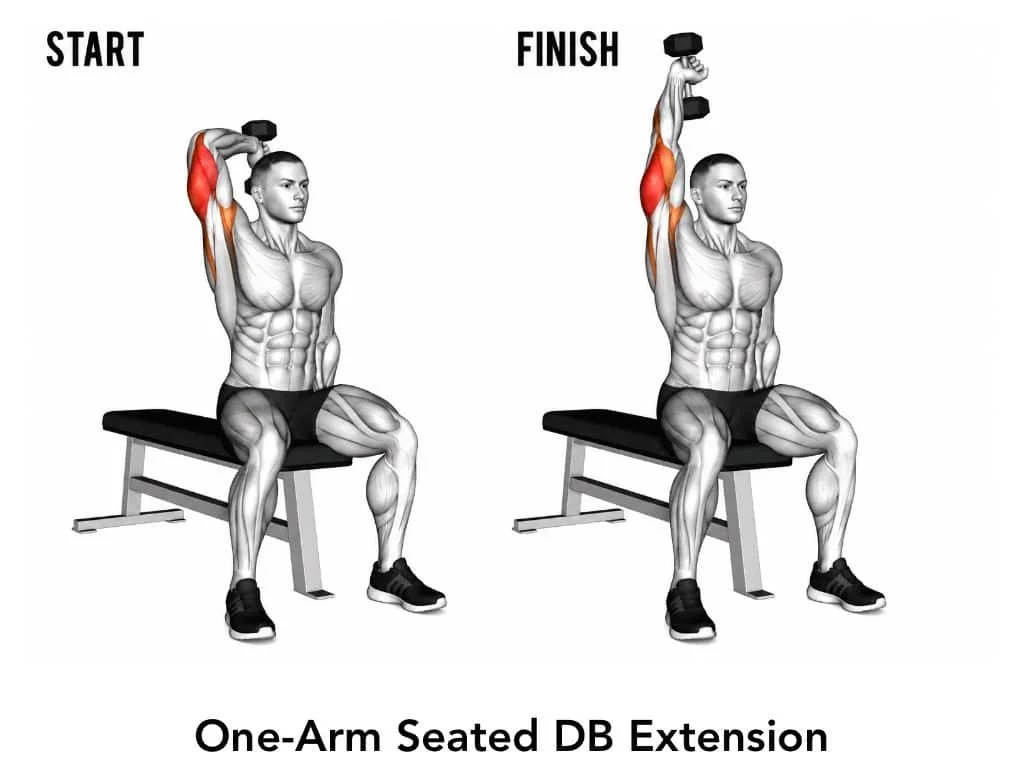
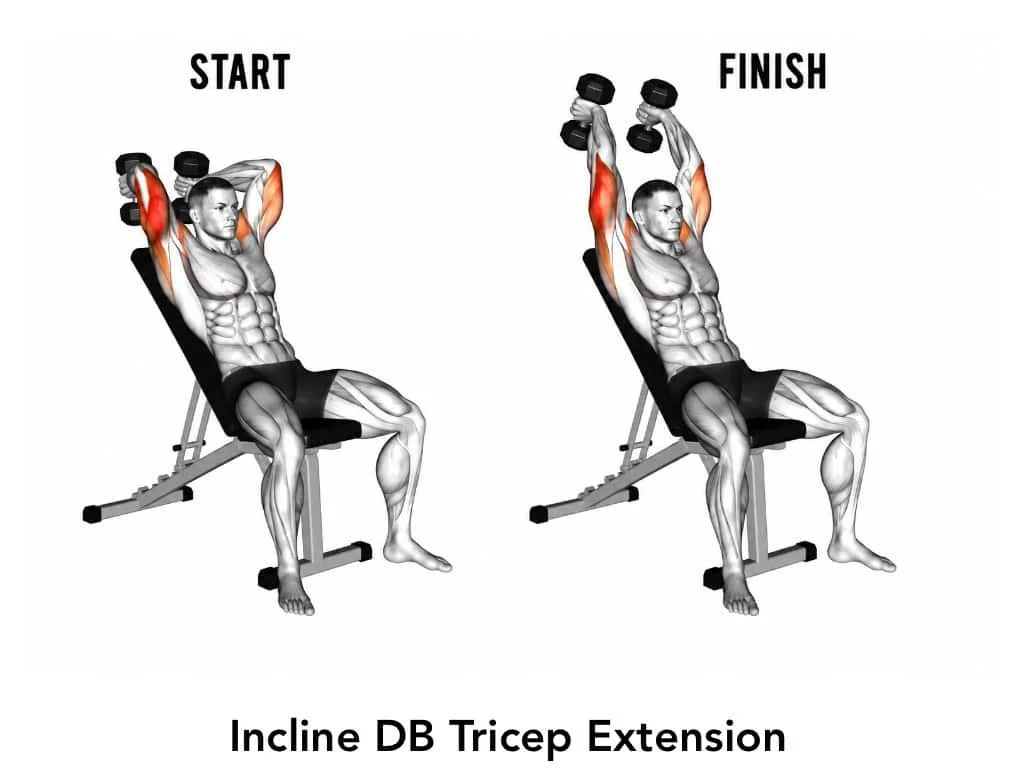
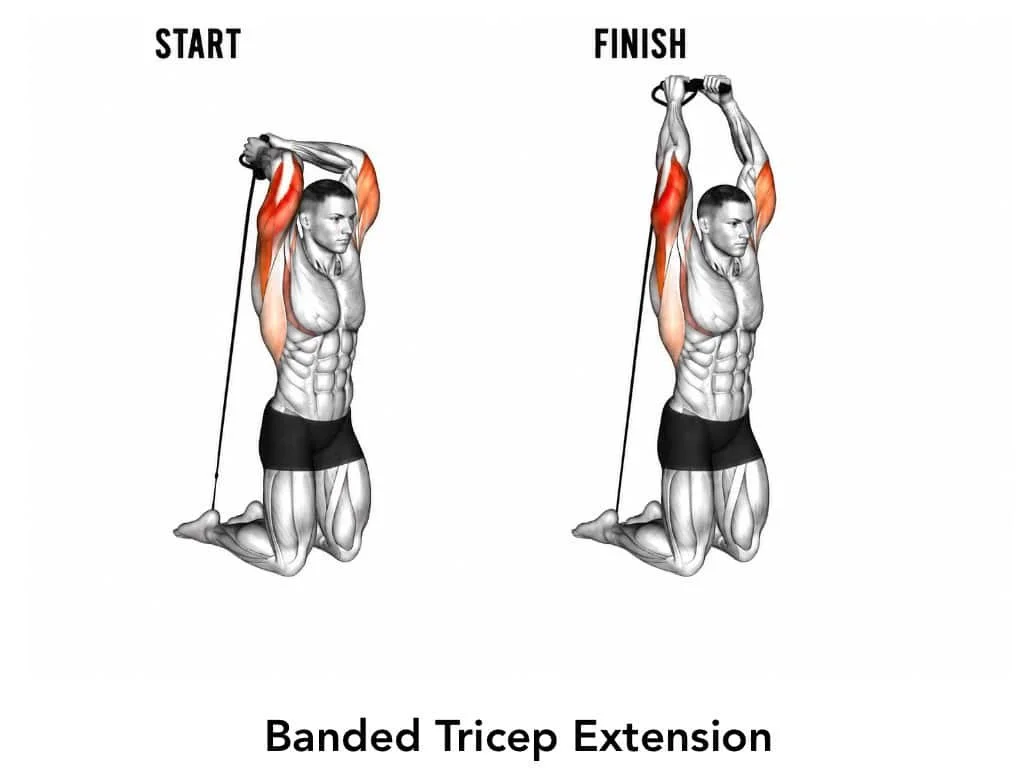
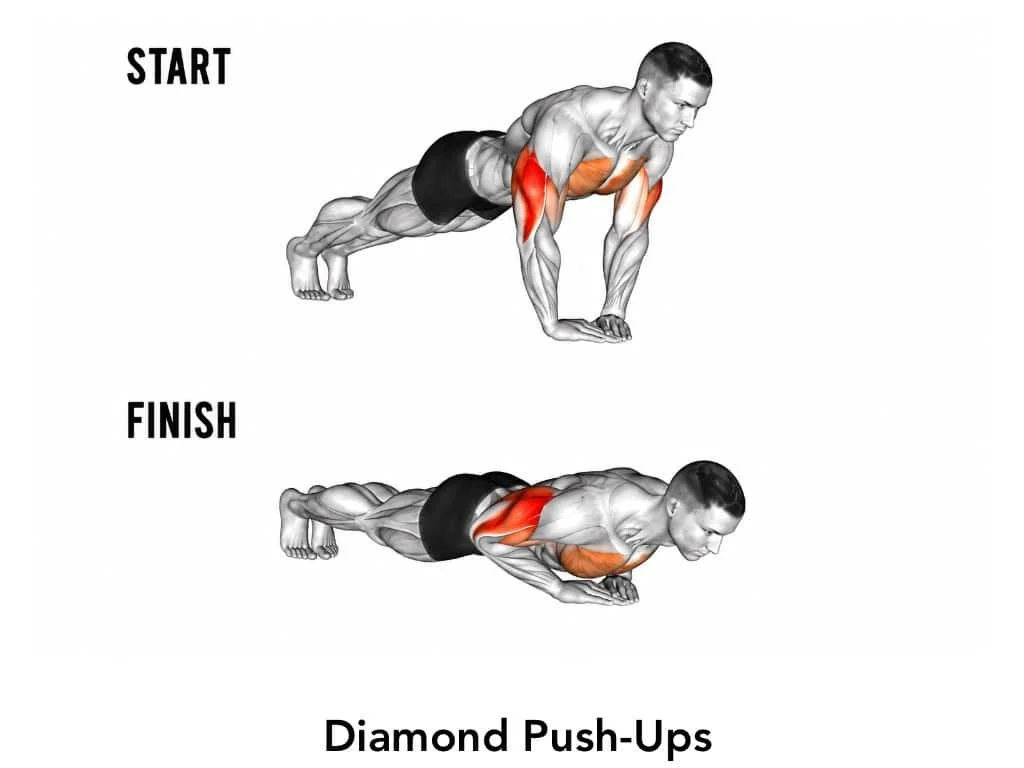
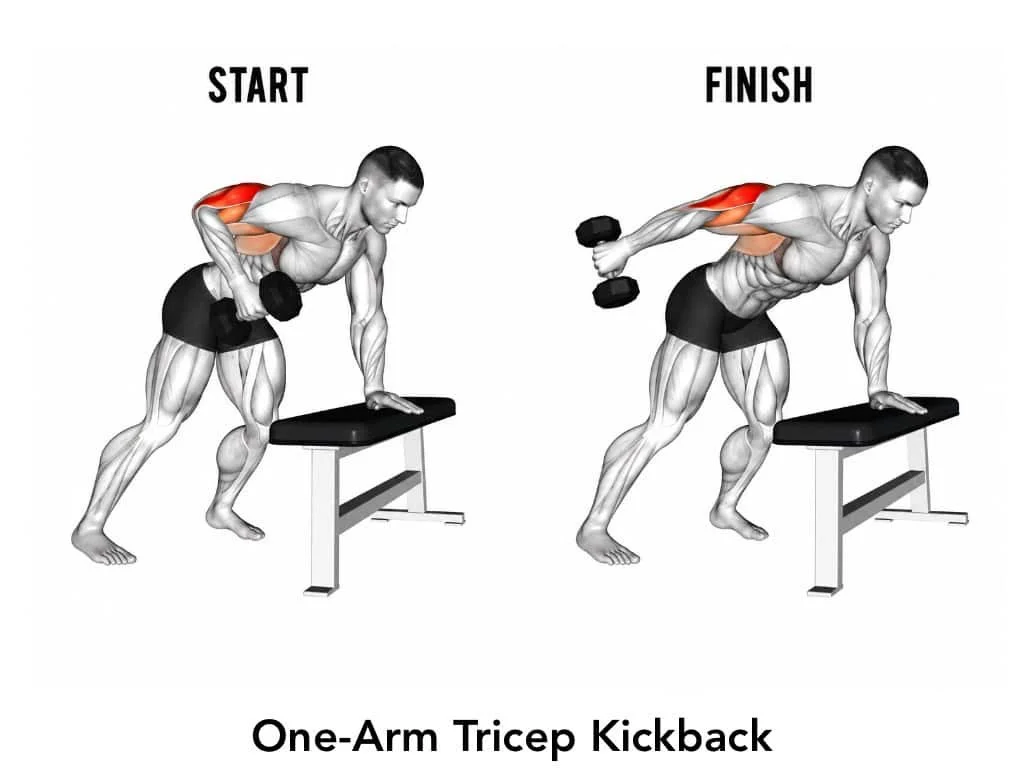
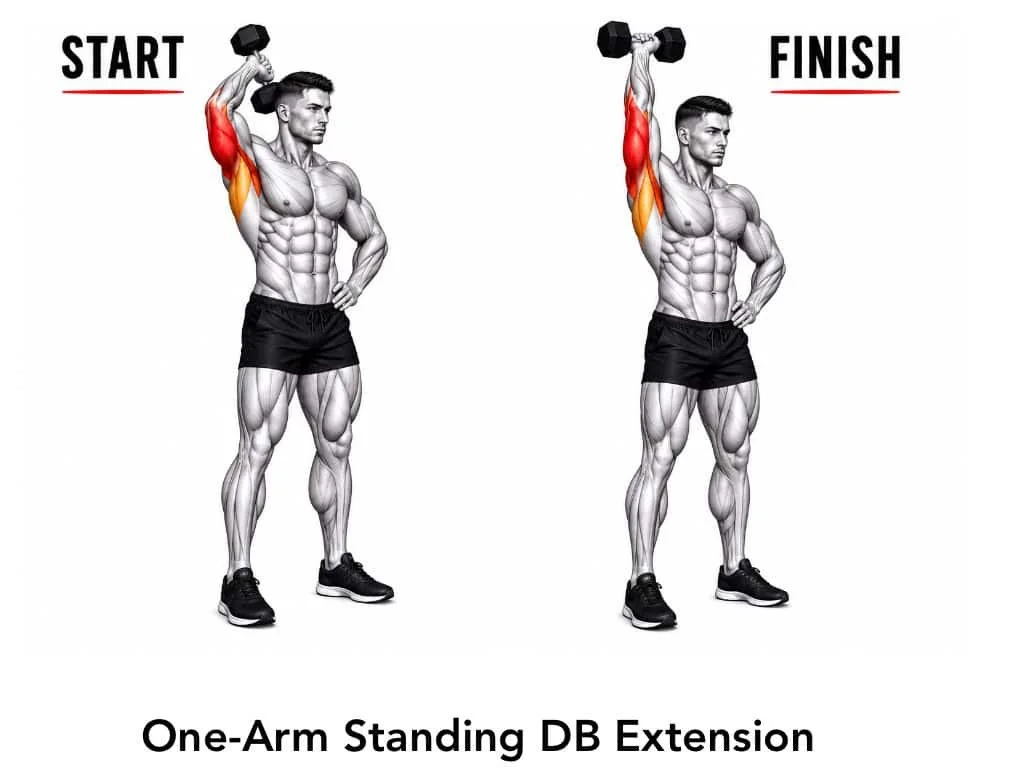
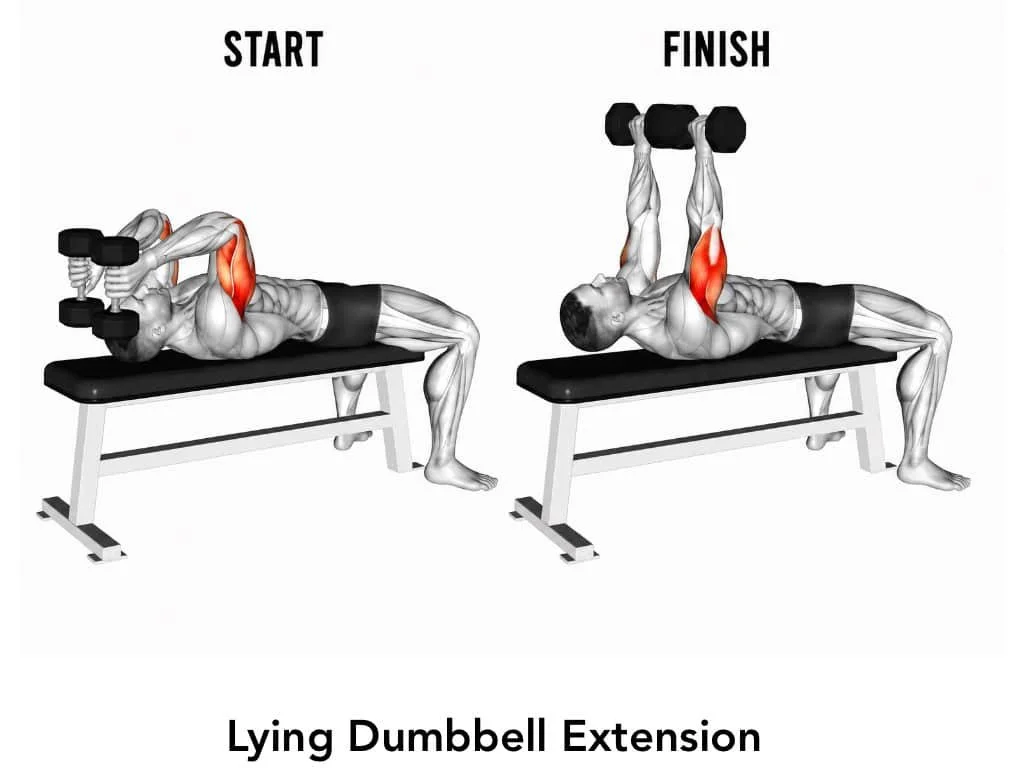
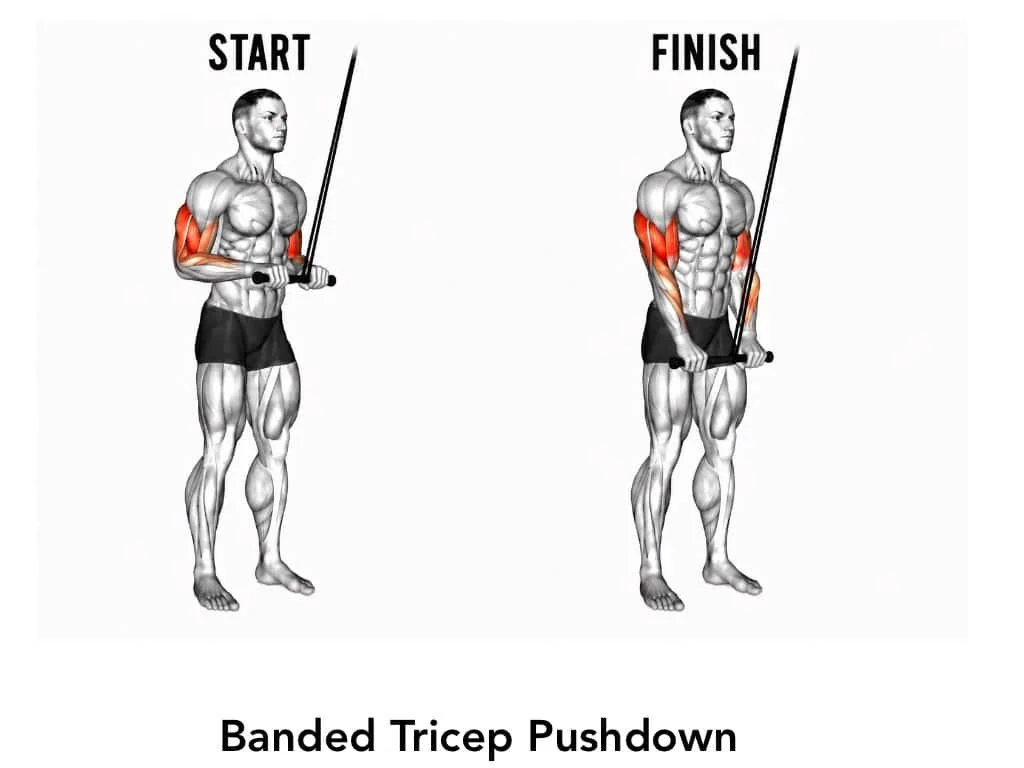
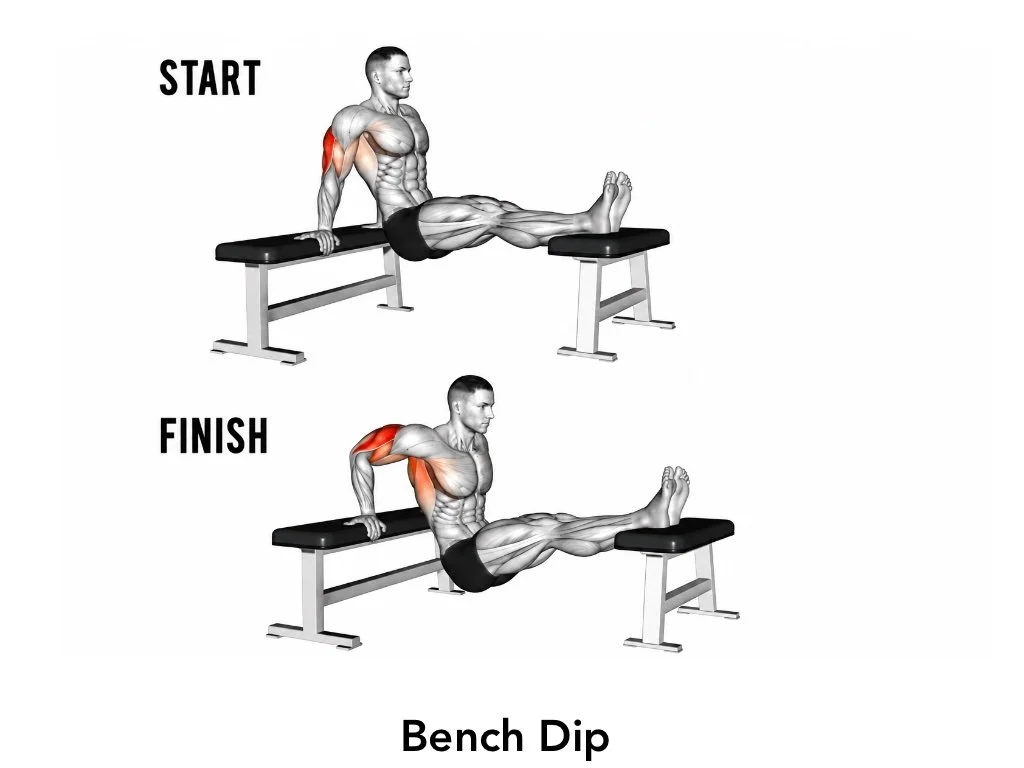
Triceps Brachii – The primary muscle on the back of the upper arm, responsible for elbow extension.
Long Head – The largest portion of the triceps, involved in both elbow and shoulder movements.
Lateral Head – Contributes to the outer shape of the upper arm.
Medial Head – Provides stability and assists with arm extension.
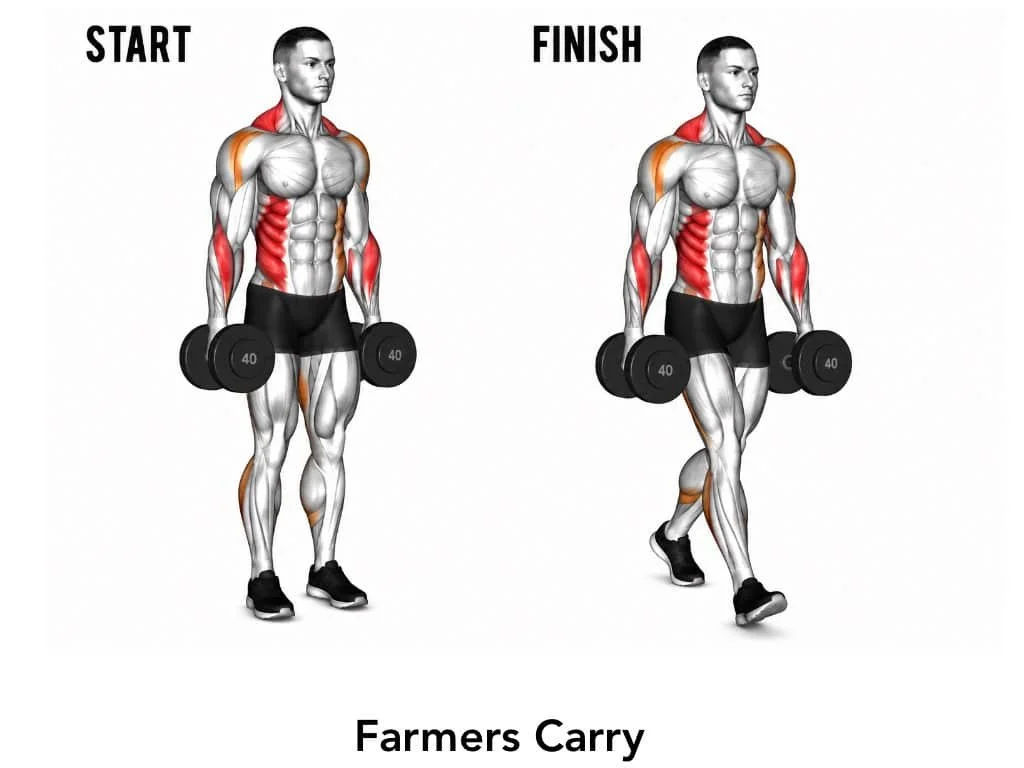
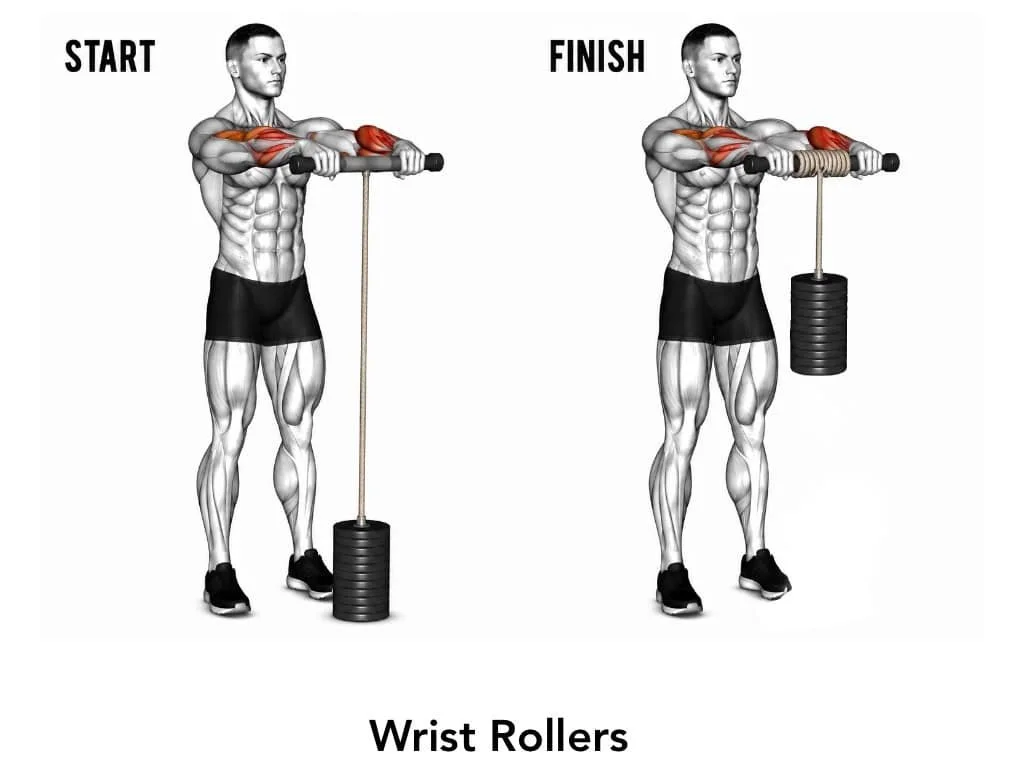
Forearm Muscles
Wrist Flexors – Responsible for bending the wrist and gripping objects.
Wrist Extensors – Responsible for extending the wrist and controlling hand movements.
Pronator and Supinator Muscles – Rotate the forearm inward and outward.
Finger Flexors and Extensors – Control finger movement and grip strength.
Benefits of Arm Training
Regular arm exercises can:
Increase upper-body strength.
Improve lifting and carrying performance.
Enhance grip strength and endurance.
Support sports that involve throwing, pulling, or striking.
Improve muscular balance around the elbow and shoulder joints.
Contribute to overall upper-body development and aesthetics.
Enhance functional fitness for everyday activities.
Medical and Safety Considerations
Arm exercises place stress on the muscles, tendons, and joints of the elbows, wrists, and shoulders. Proper technique is essential to maximize results and minimize injury risk.
Warm up the arms and shoulders before training.
Use controlled movements throughout each repetition.
Avoid excessive swinging or momentum during curls.
Maintain neutral wrist alignment when possible.
Gradually increase resistance as strength improves.
Allow adequate recovery between arm workouts.
Stop exercising if you experience sharp pain in the elbow, wrist, or shoulder.
Training the biceps, triceps, and forearm muscles through a variety of movements can help build strength, improve joint stability, enhance athletic performance, and support everyday functional activities while promoting balanced arm development.
Triceps
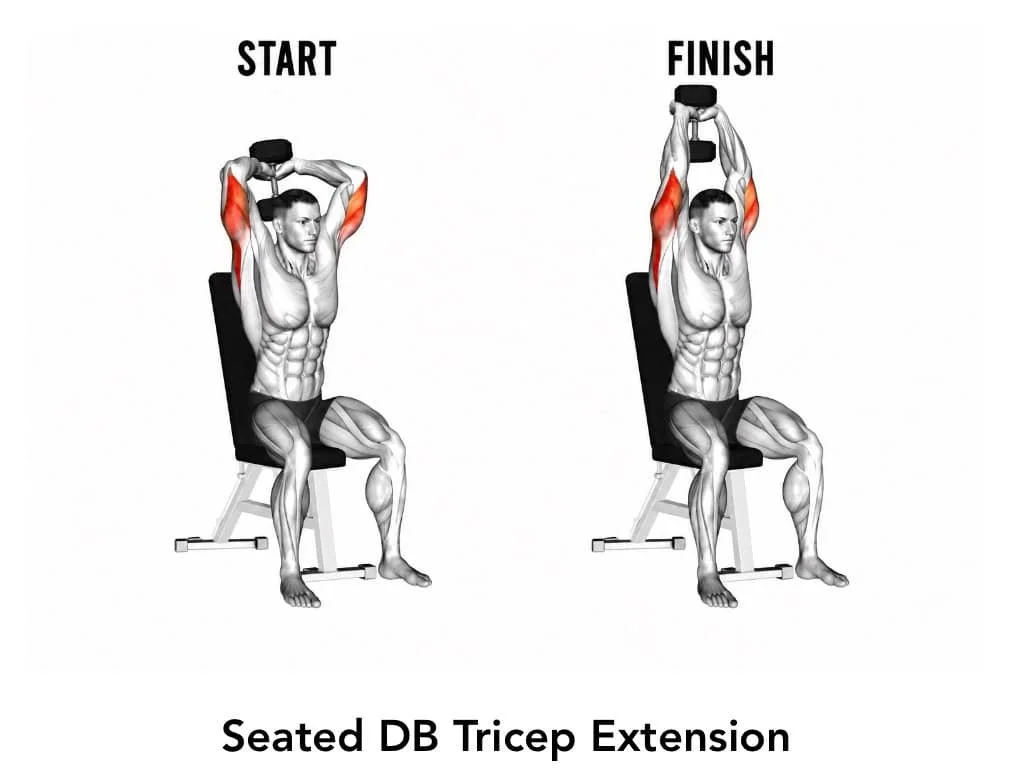
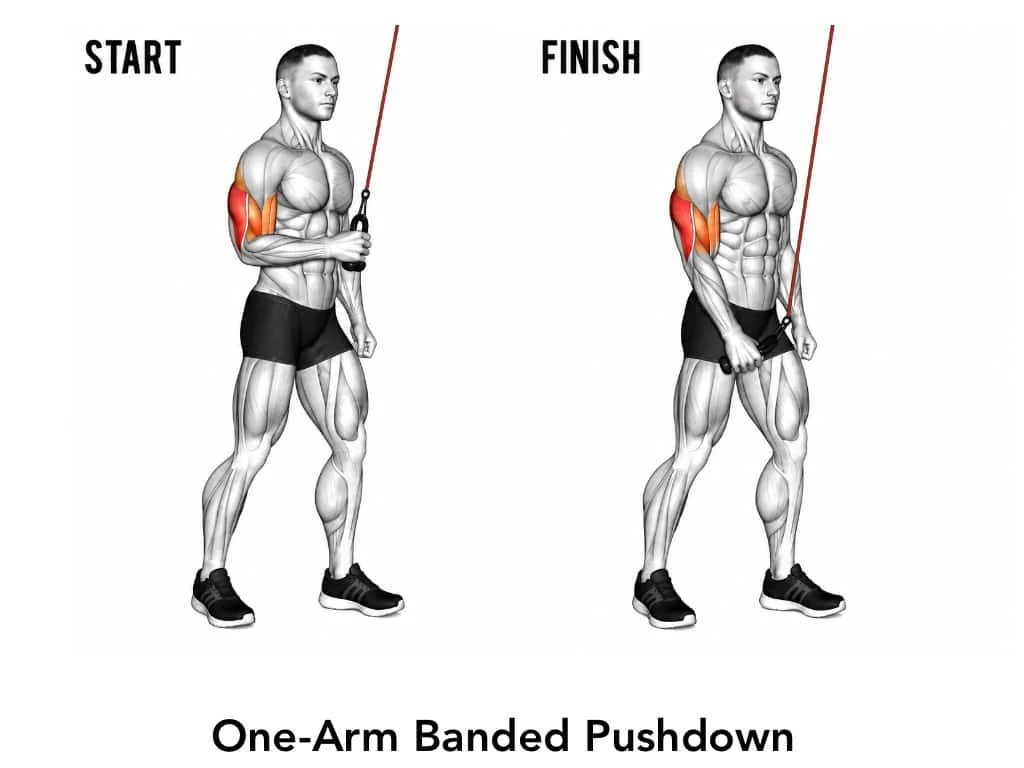
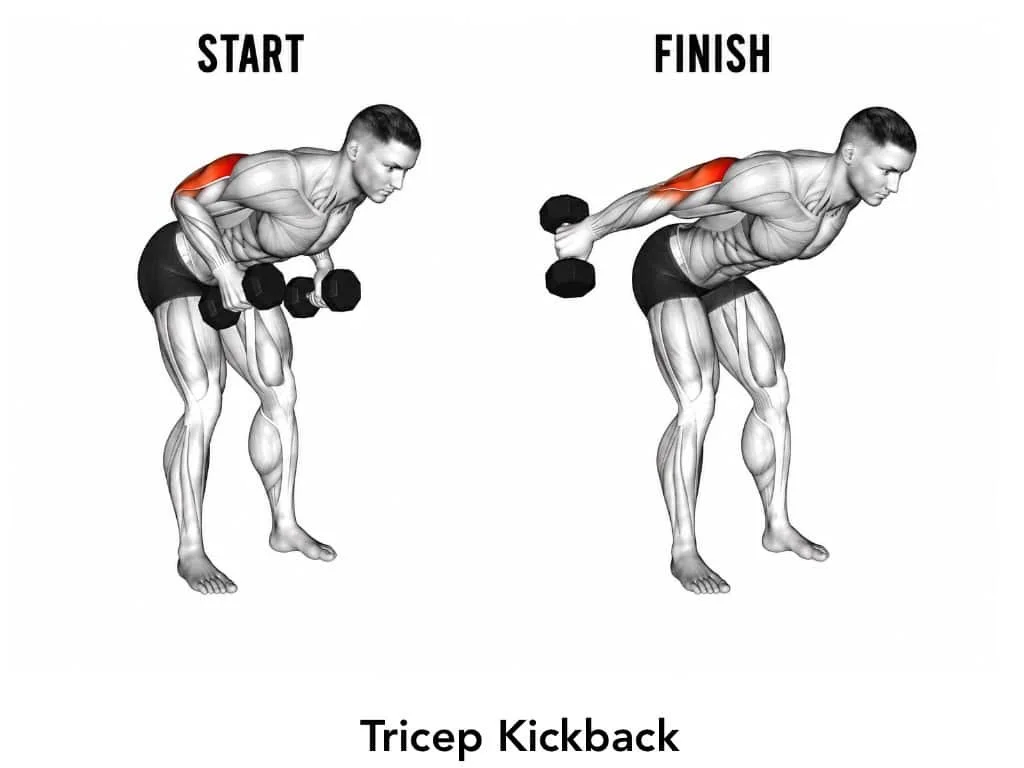
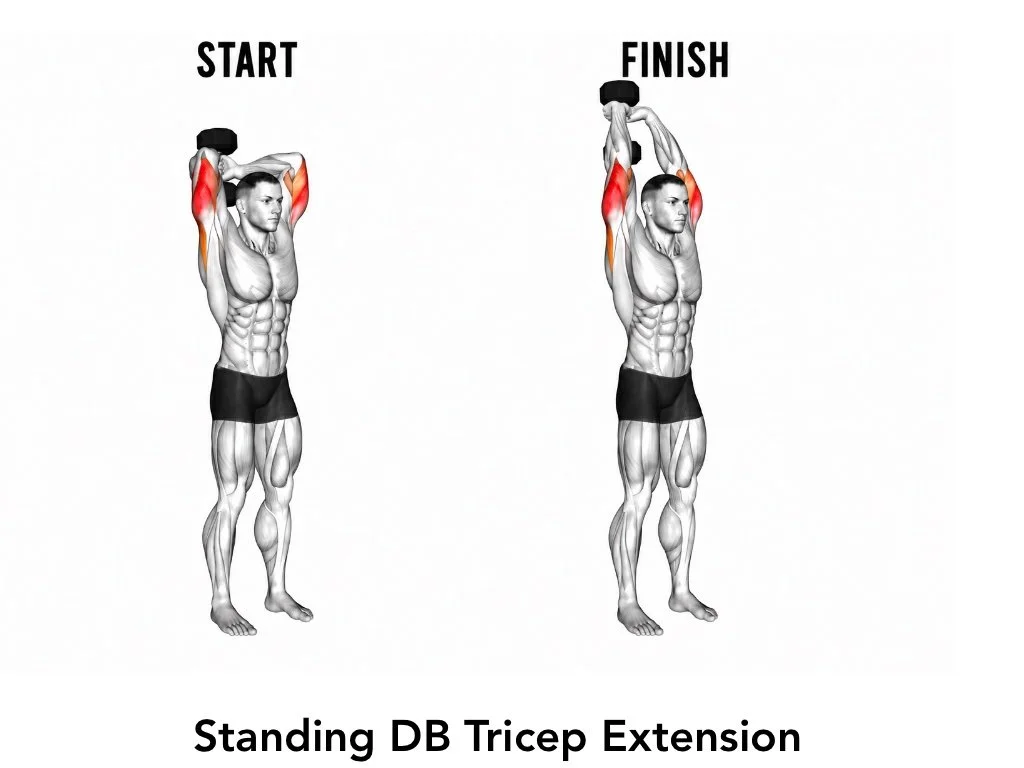
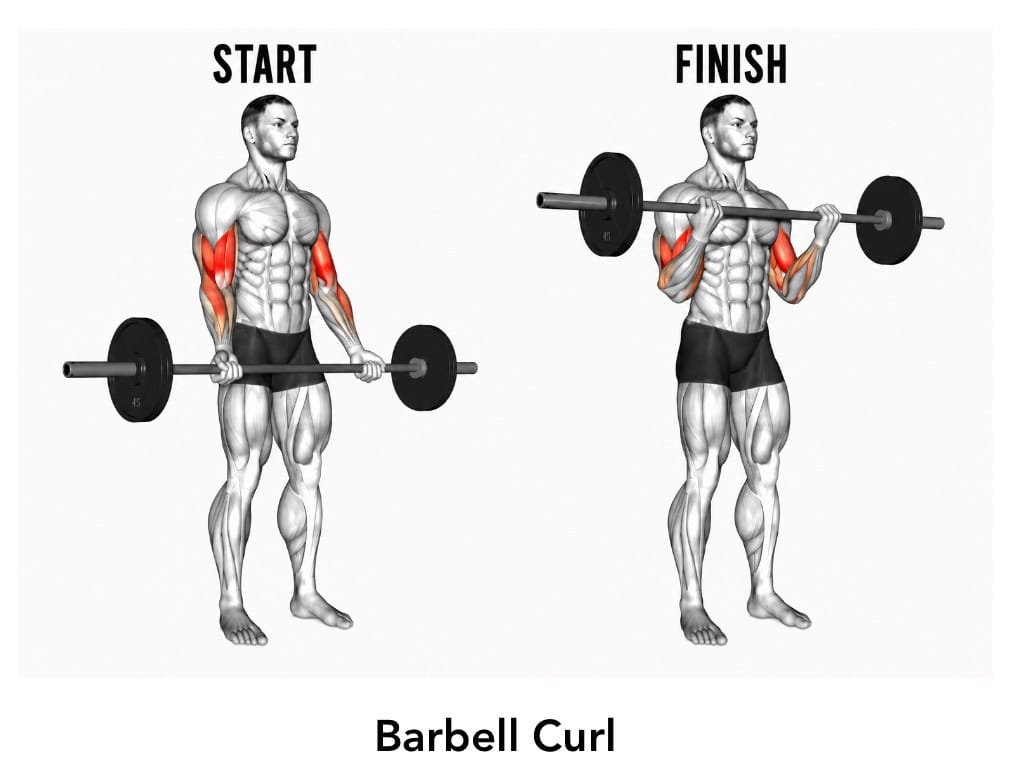
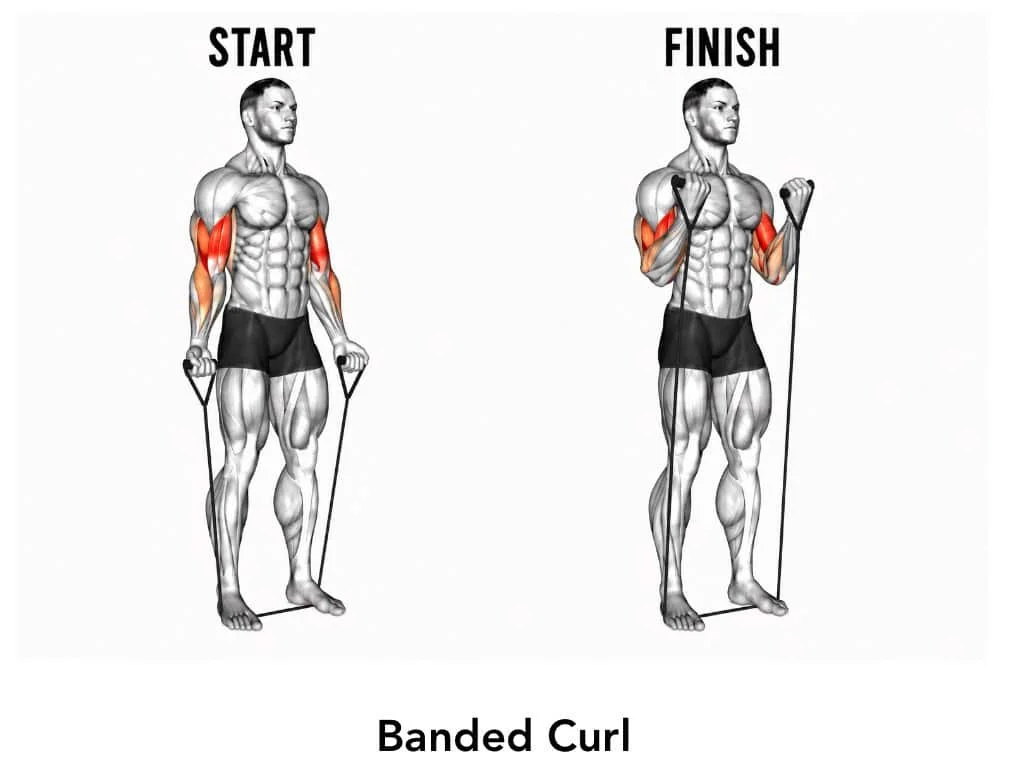
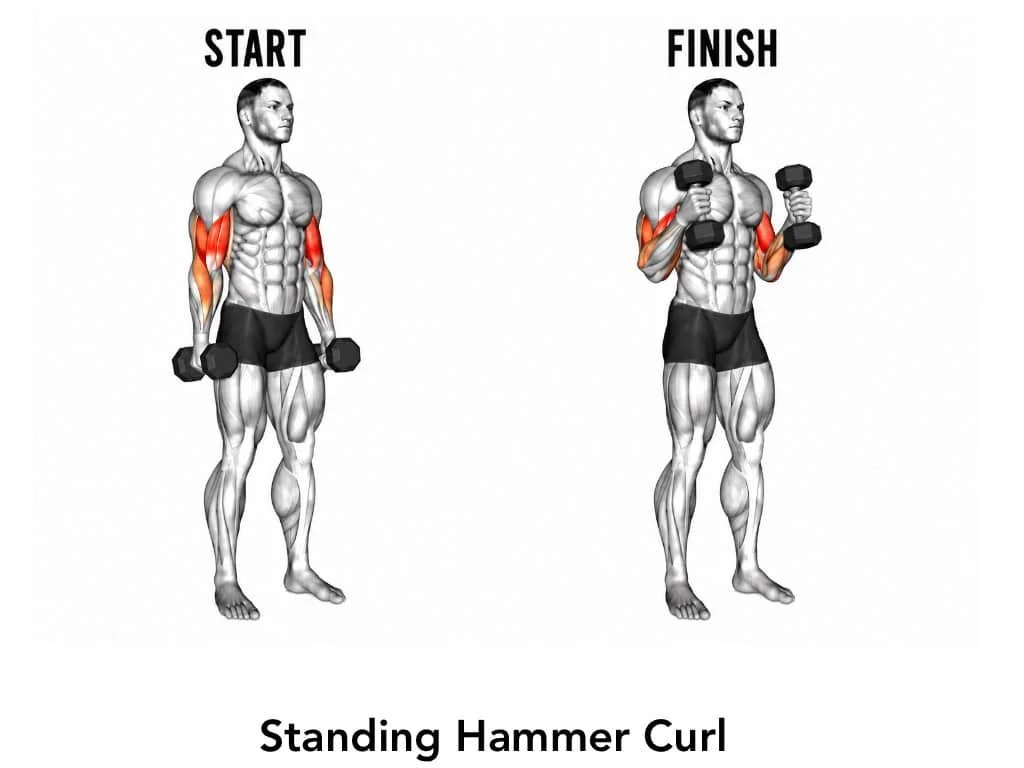
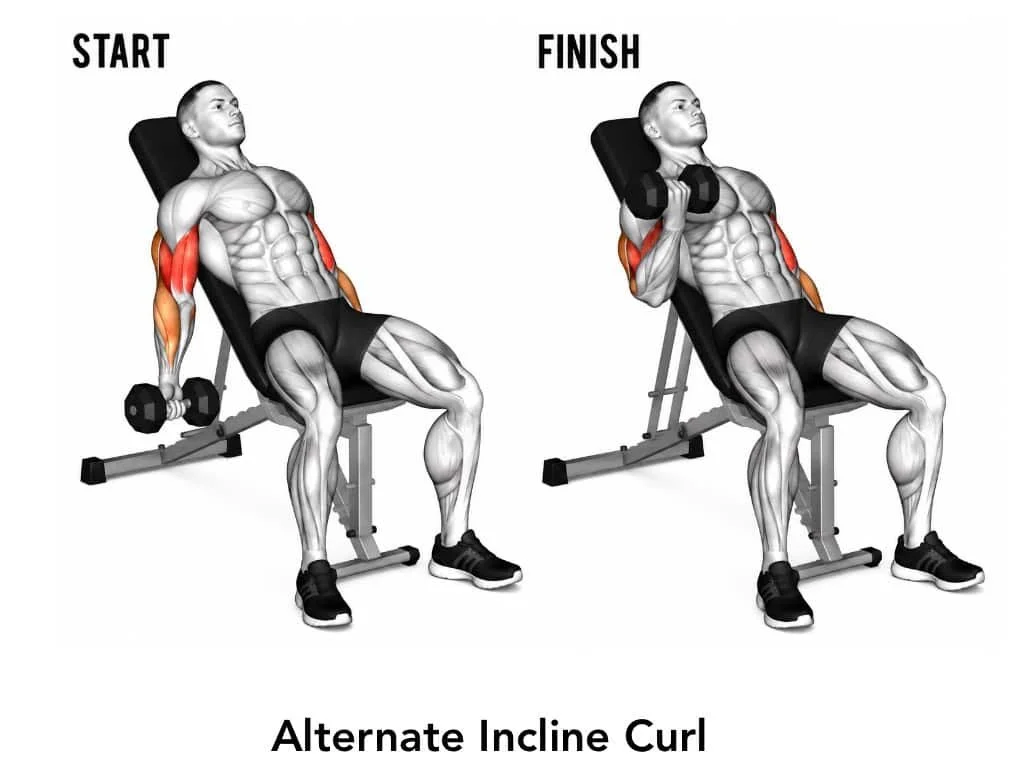
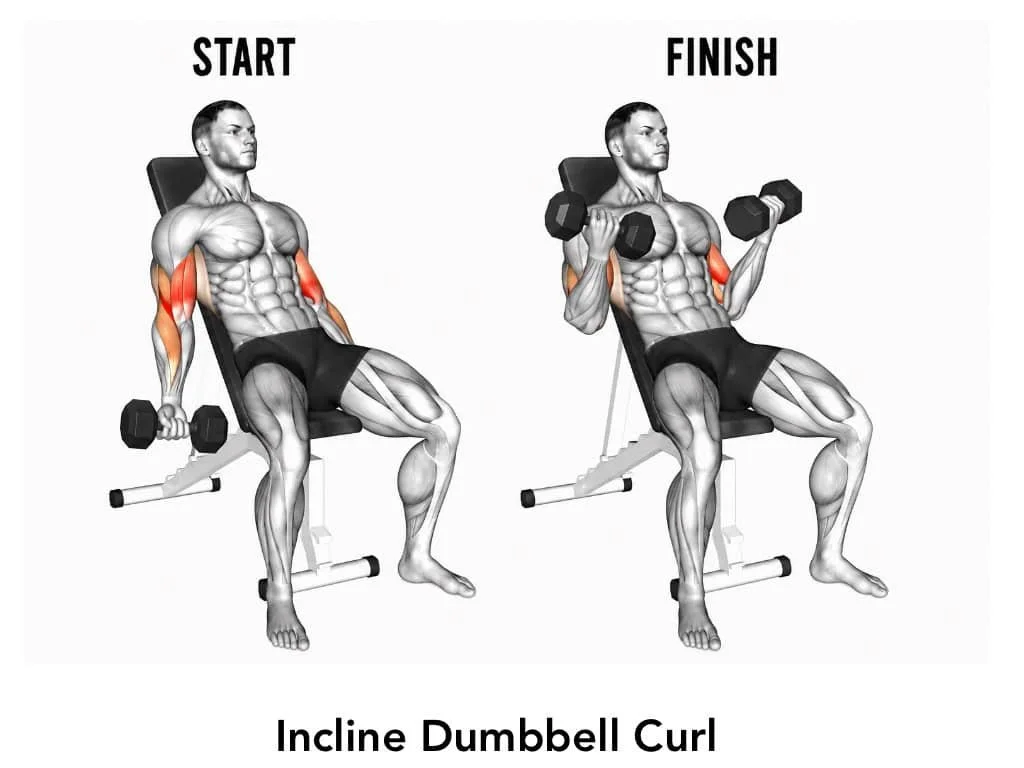
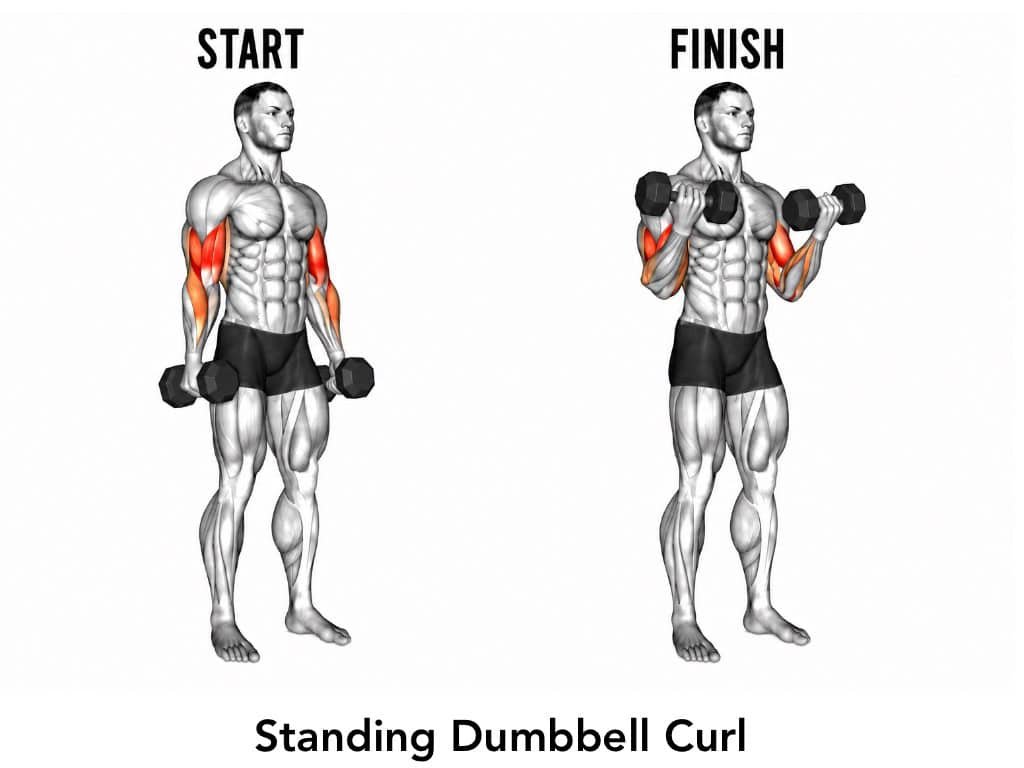
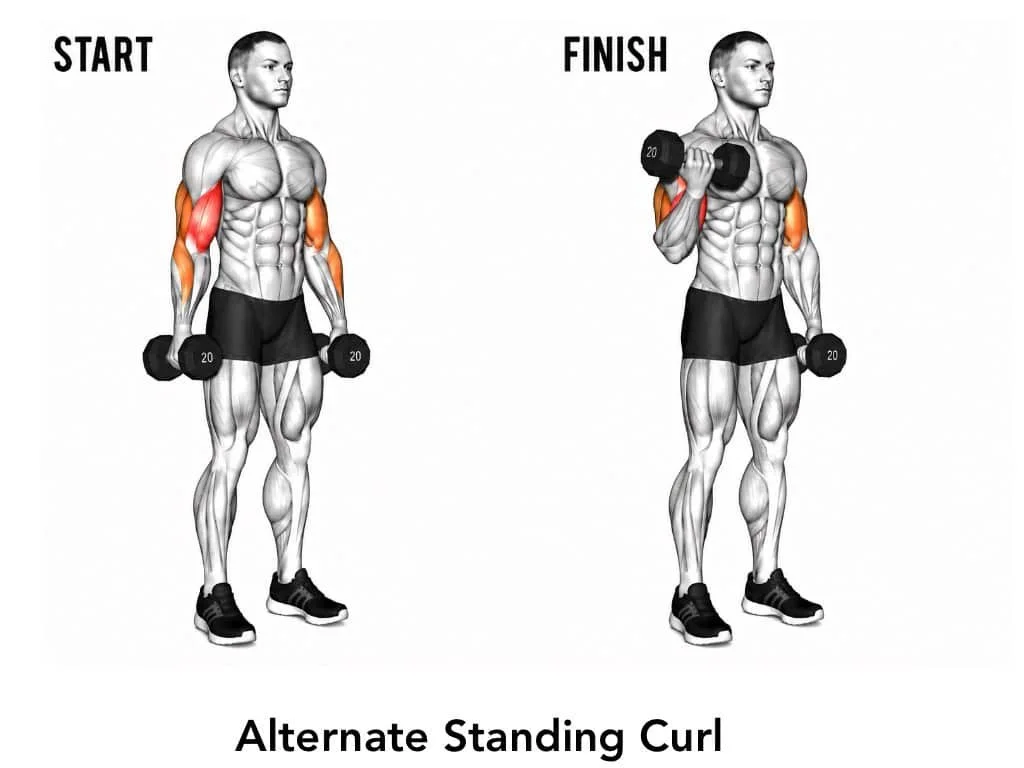
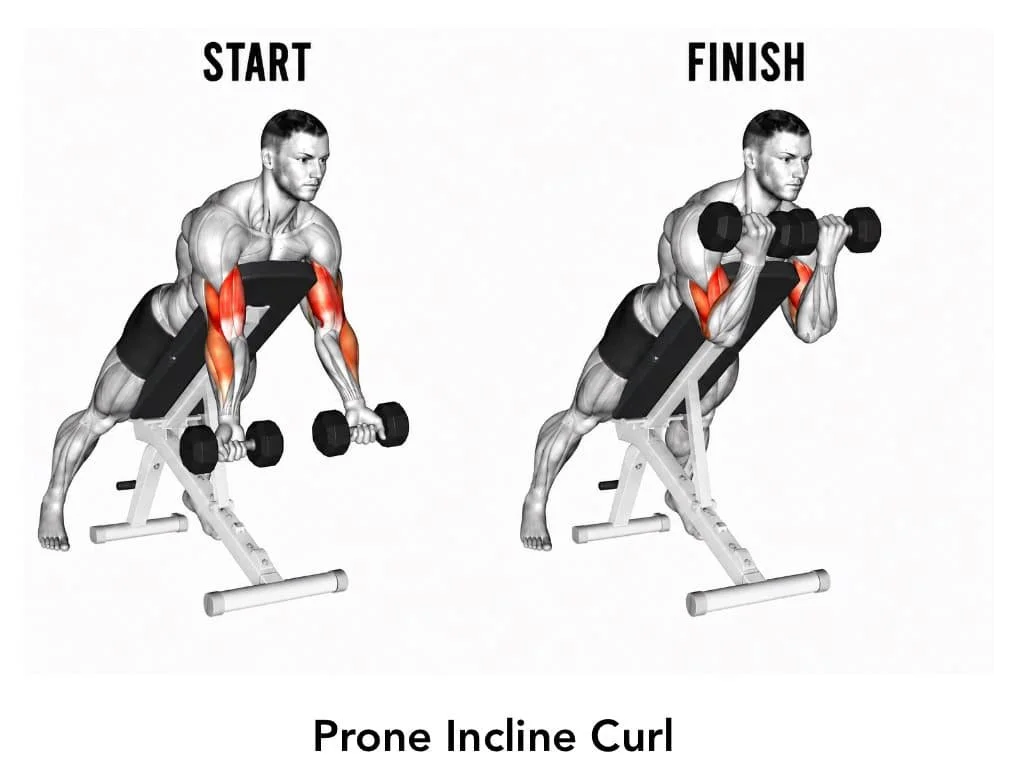
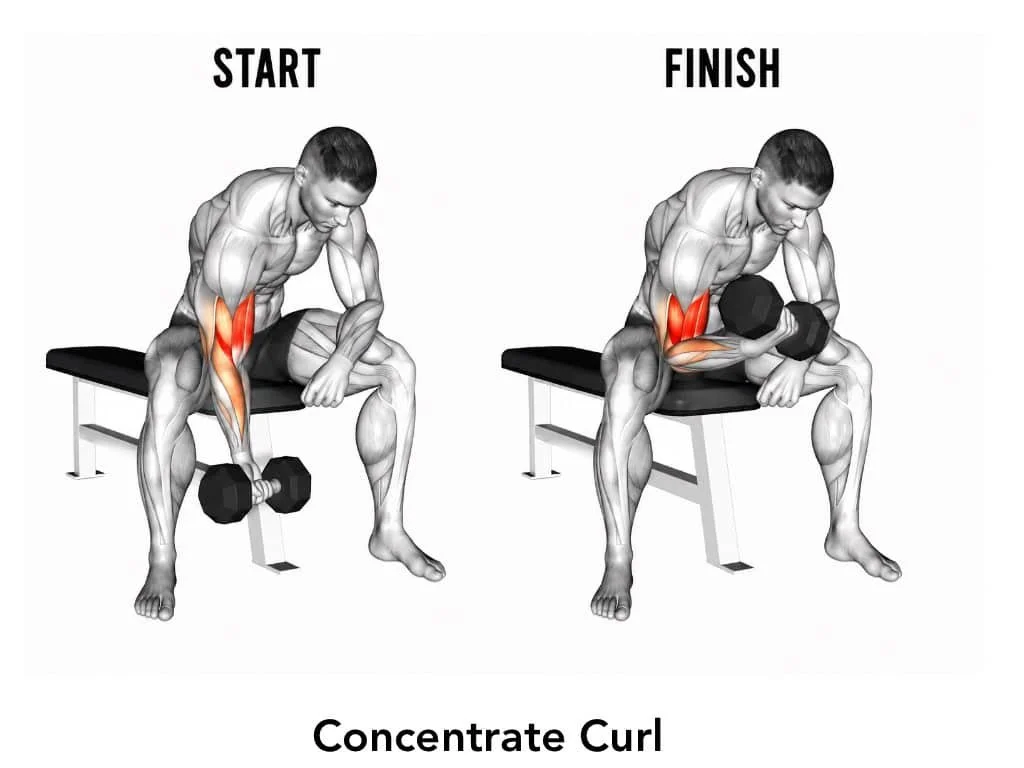
Biceps
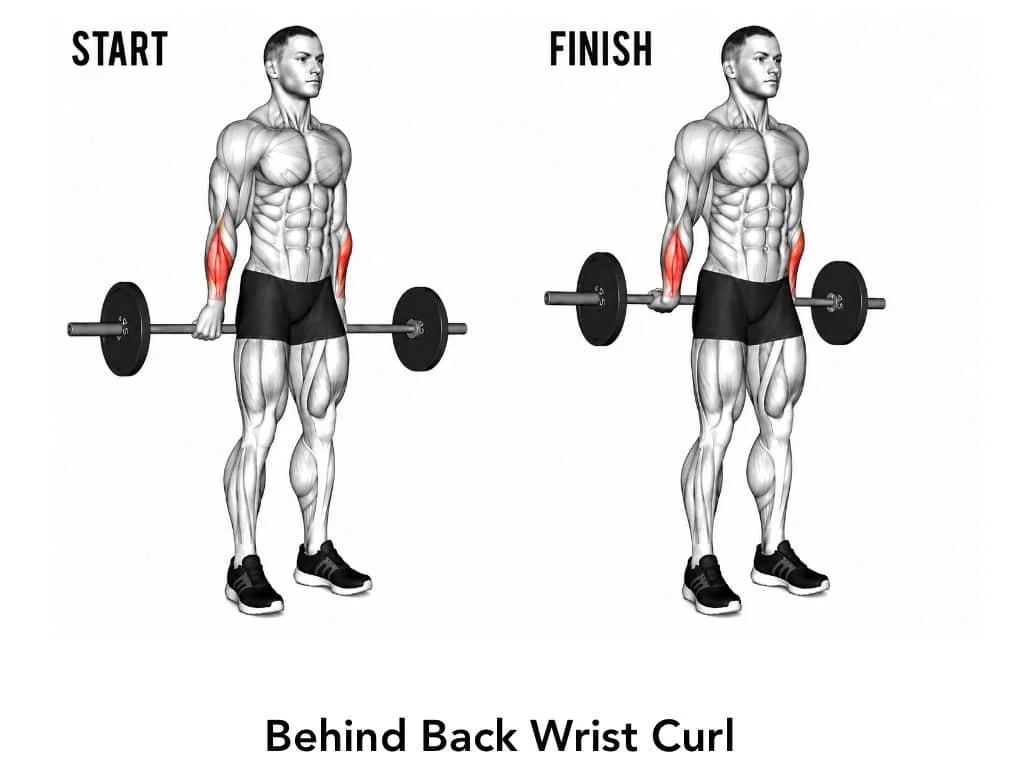
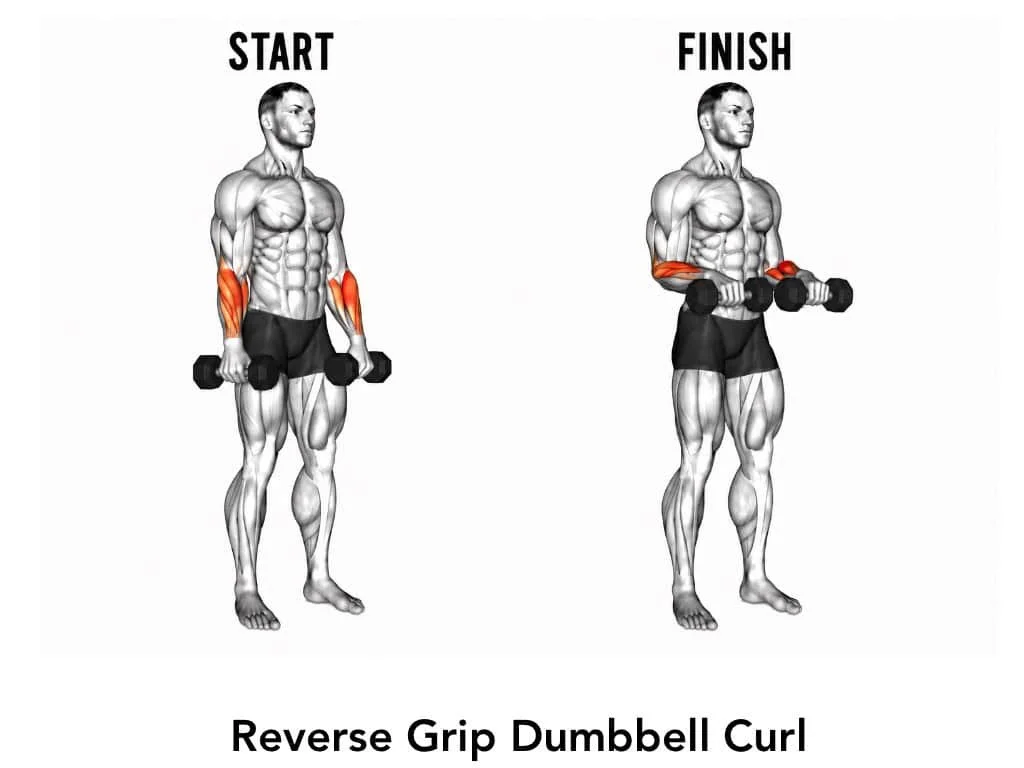
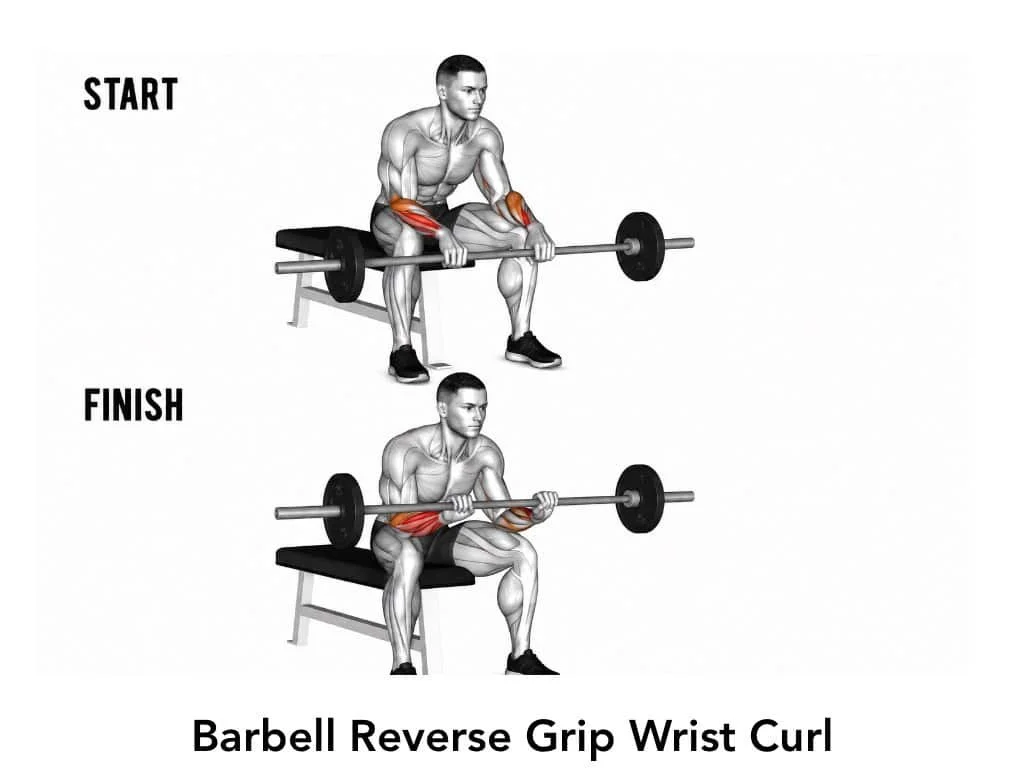
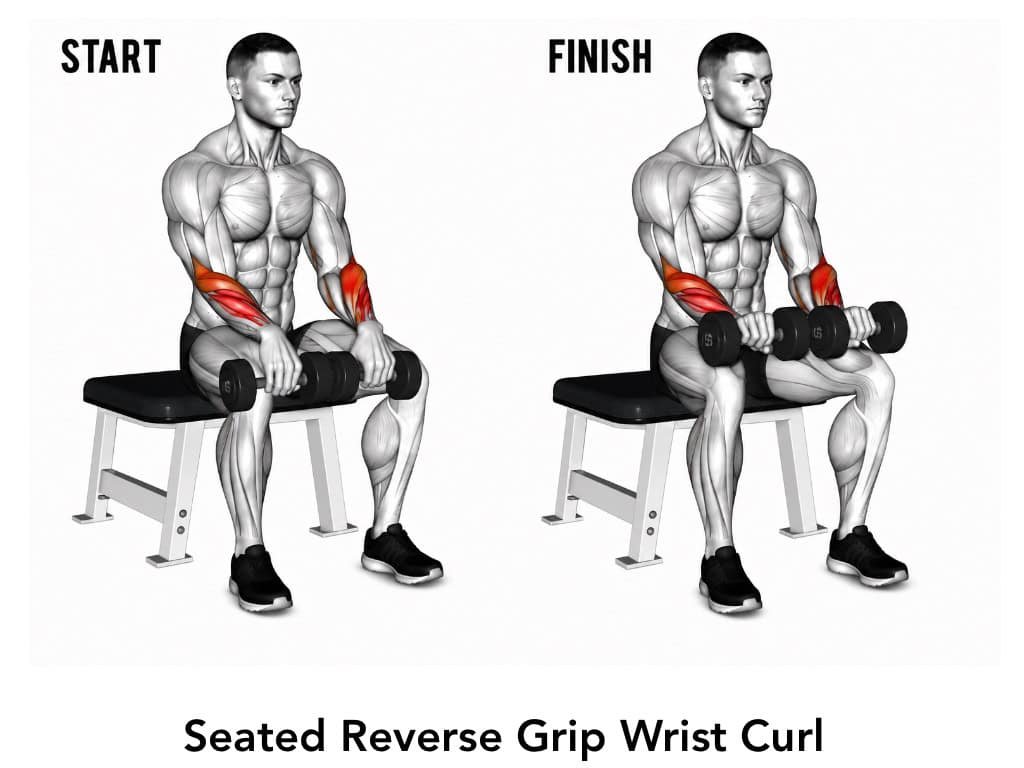
Forearms