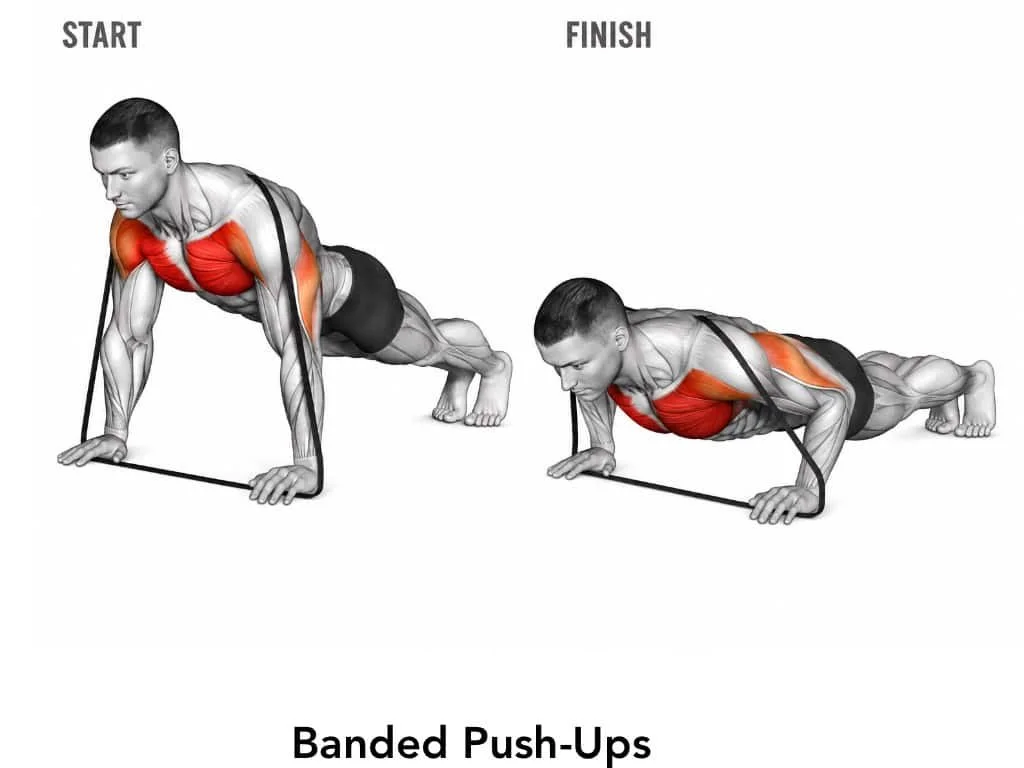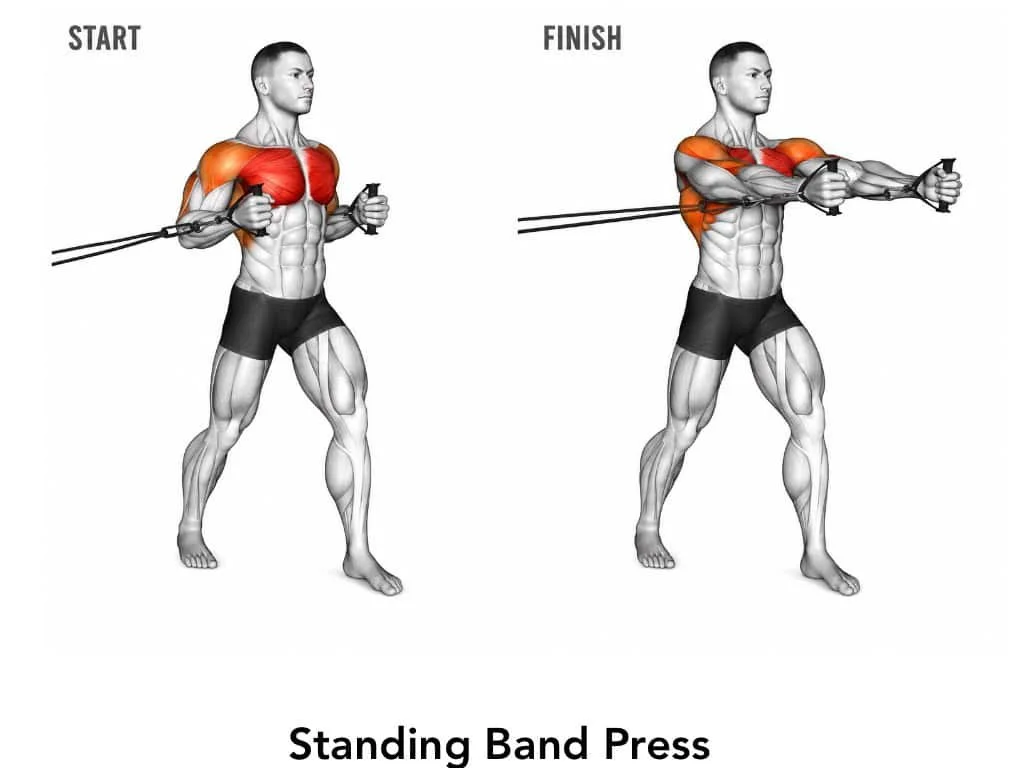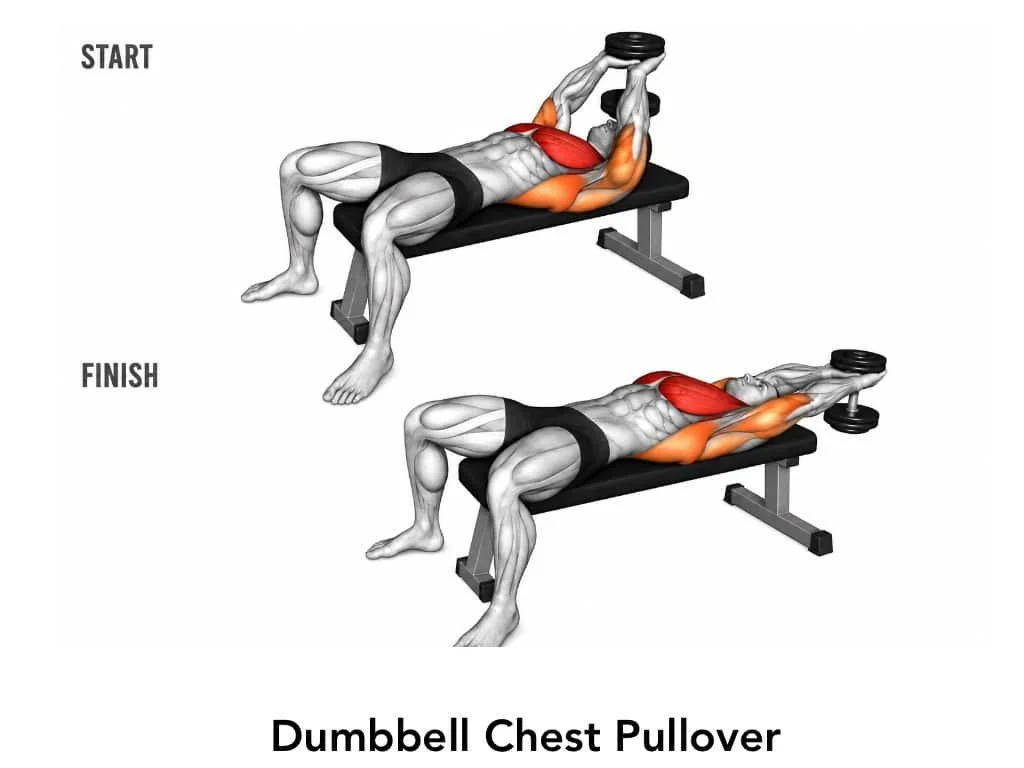
Chest Exercises
Chest muscles play a vital role in upper-body strength, posture, and everyday movements such as pushing, lifting, and reaching. Regular chest training can help build muscle mass, improve athletic performance, and support healthy shoulder function.
Chest Muscle Anatomy
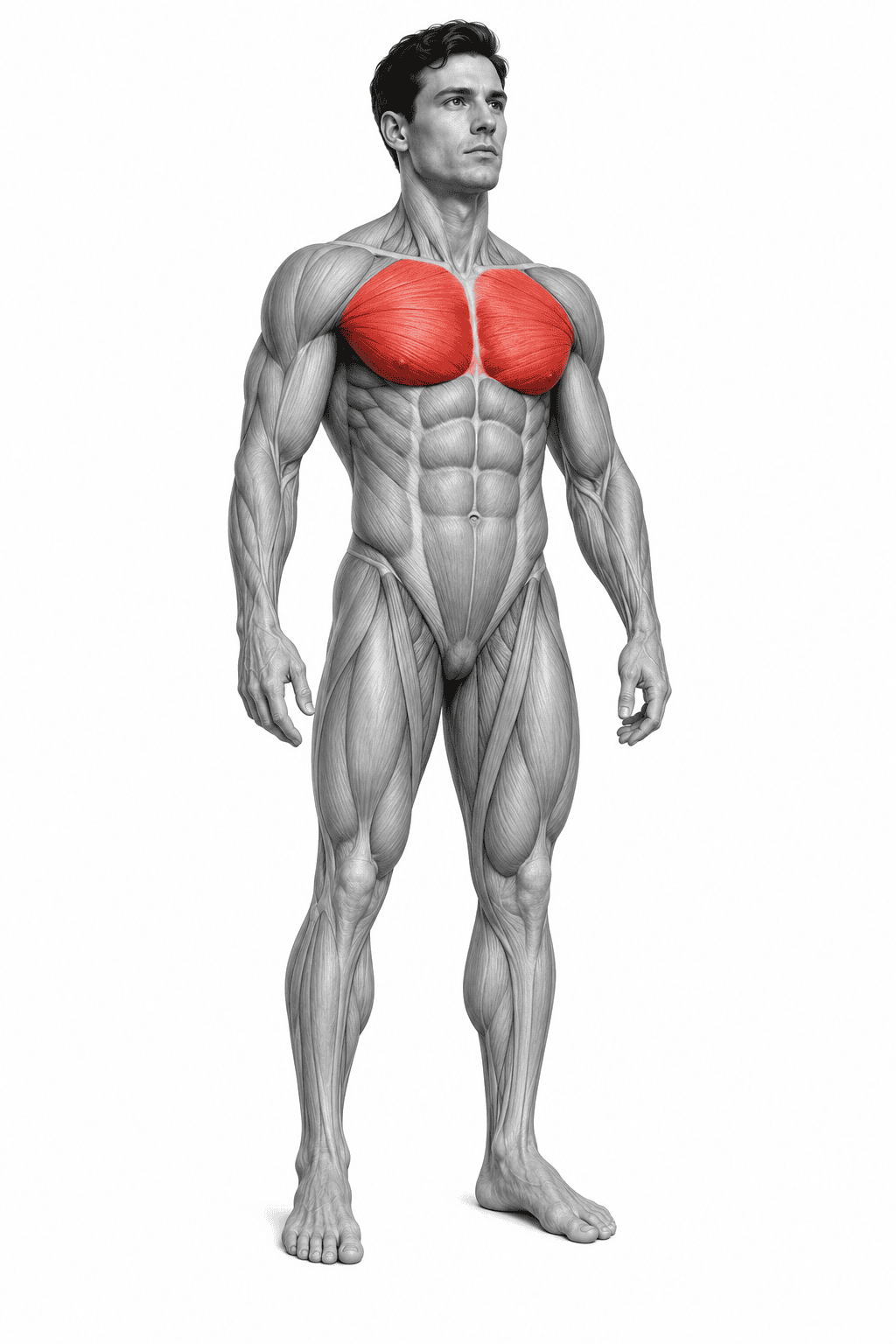
The chest consists of several important muscles:
Pectoralis Major – The largest chest muscle, responsible for pushing movements and moving the arms across the body.
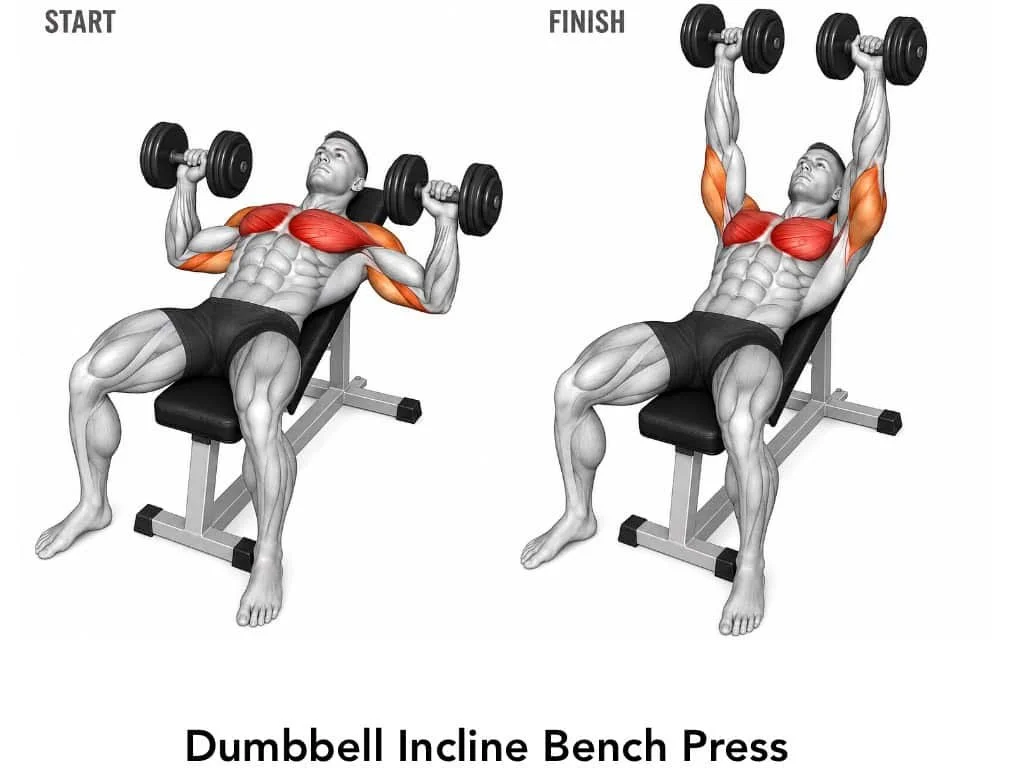
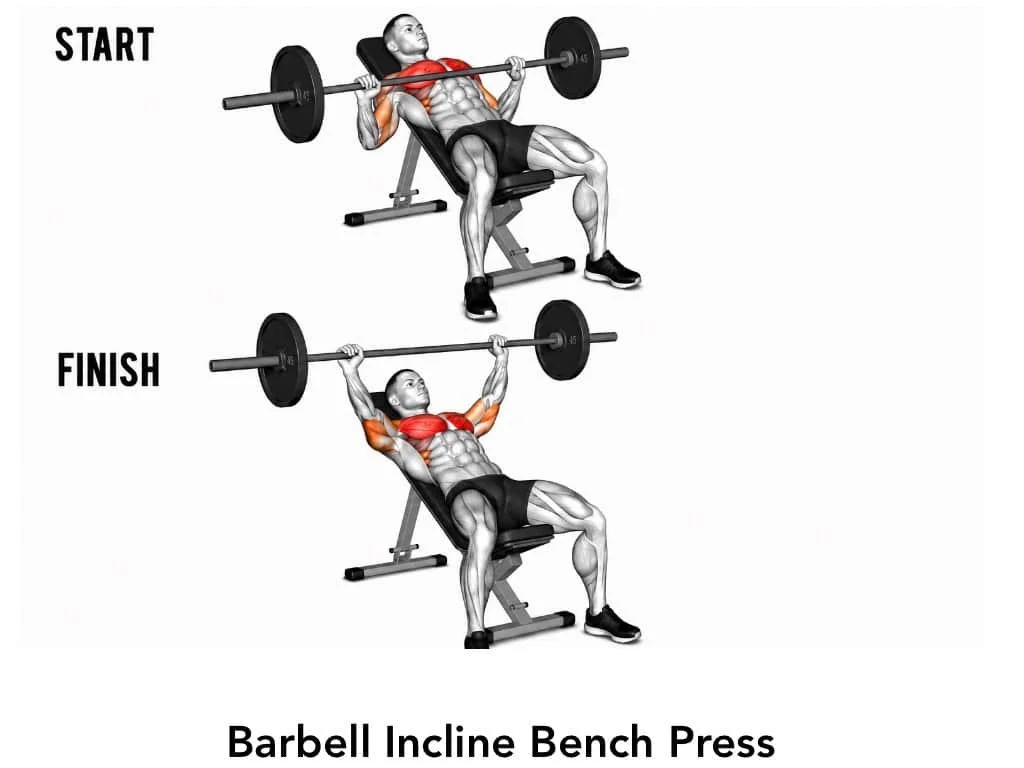
Clavicular Head (Upper Chest) – The upper portion of the pectoralis major, activated during incline pressing movements.
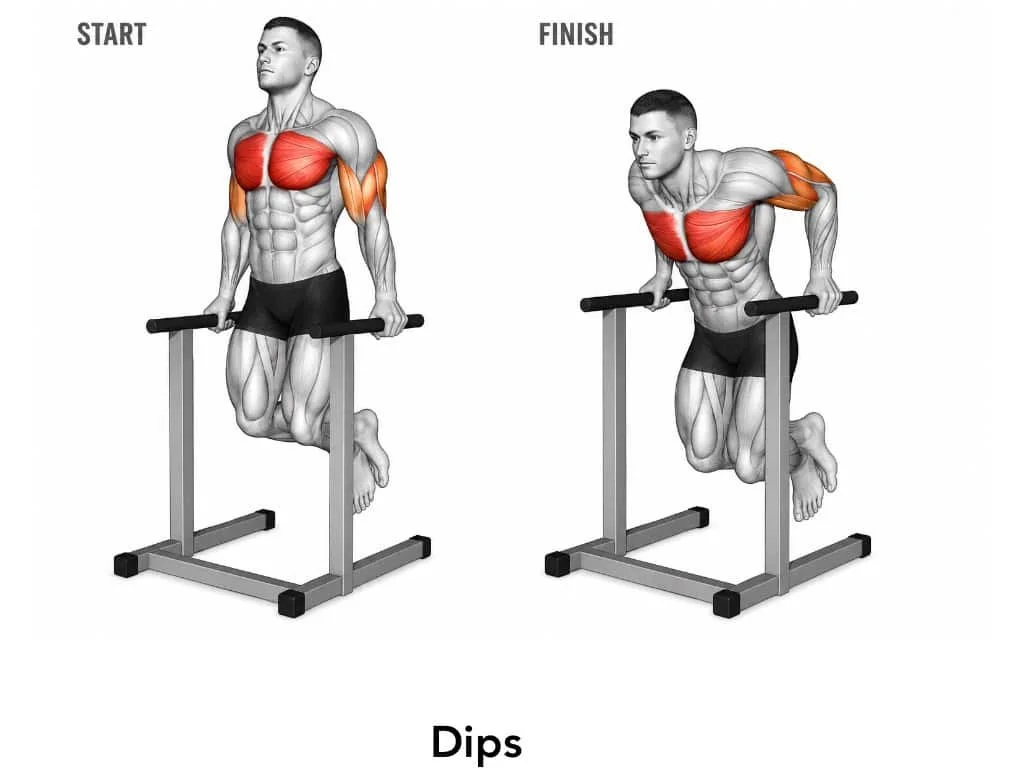
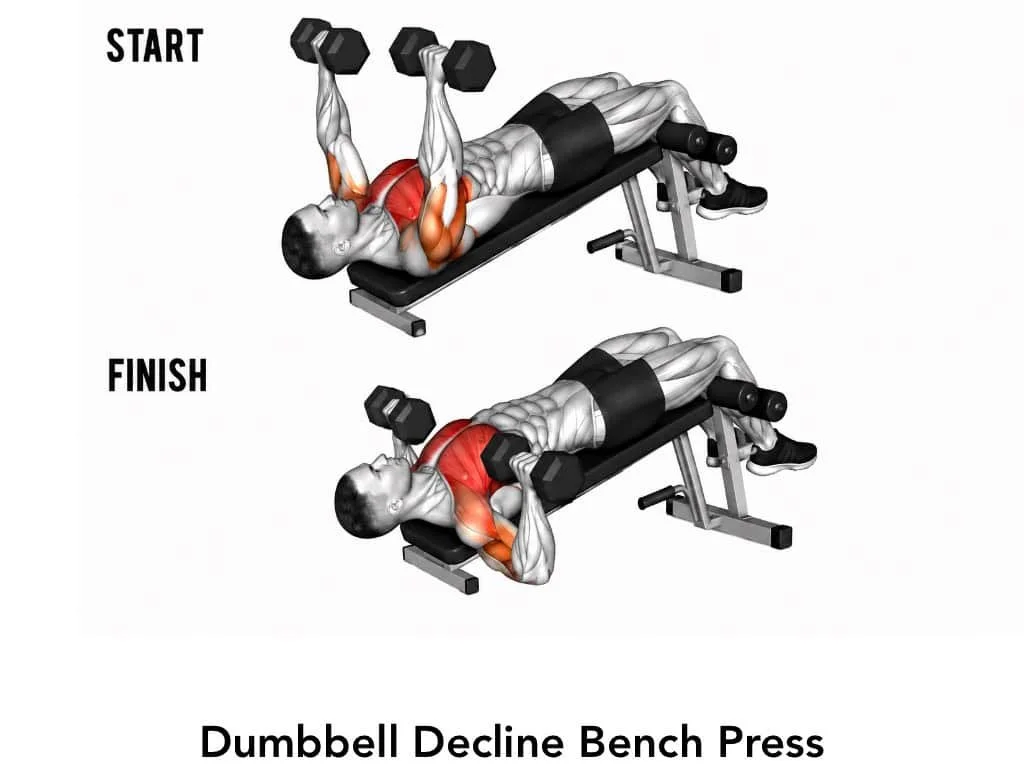
Sternocostal Head (Middle and Lower Chest) – The larger lower portion of the pectoralis major, heavily involved in flat and decline pressing exercises.
Pectoralis Minor – Located beneath the pectoralis major, helping stabilize and control movement of the shoulder blade.
Serratus Anterior – A supporting muscle along the rib cage that assists with shoulder movement and stability.
Benefits of Chest Training
Regular chest exercises can:
Increase upper-body strength.
Build muscle size and definition.
Improve pushing power for sports and daily activities.
Support shoulder joint stability.
Promote better posture when combined with back training.
Enhance overall functional fitness.
Medical and Safety Considerations
Chest exercises place stress on the muscles, tendons, and joints of the upper body. Proper technique is important to reduce the risk of injury.
Warm up before training to increase blood flow and prepare the muscles.
Use a controlled range of motion during each repetition.
Avoid excessive weight that compromises form.
Maintain proper shoulder positioning to reduce strain on the rotator cuff.
Stop exercising if you experience sharp pain or discomfort in the chest or shoulder area.
Allow adequate recovery between training sessions to support muscle repair and growth.
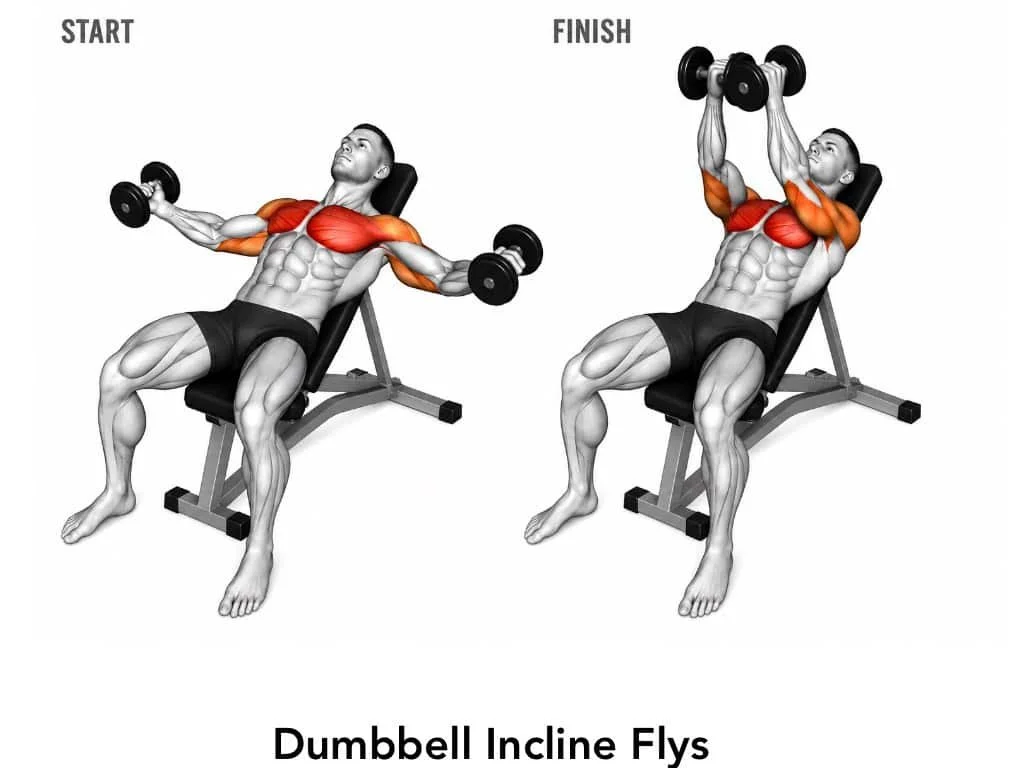
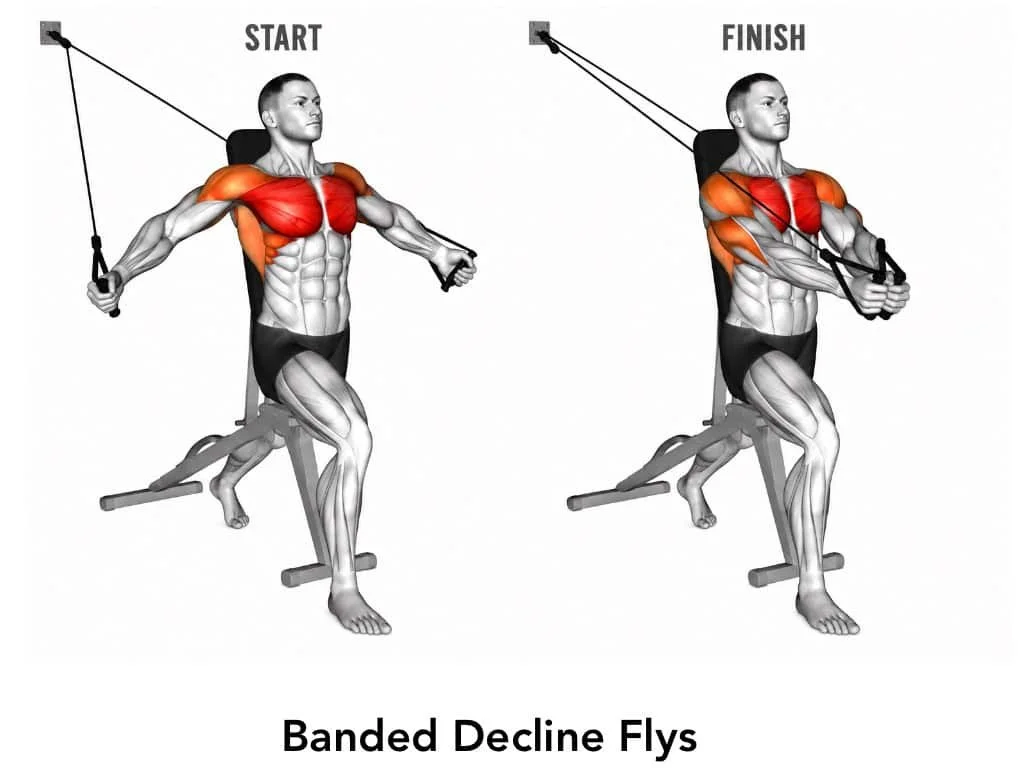
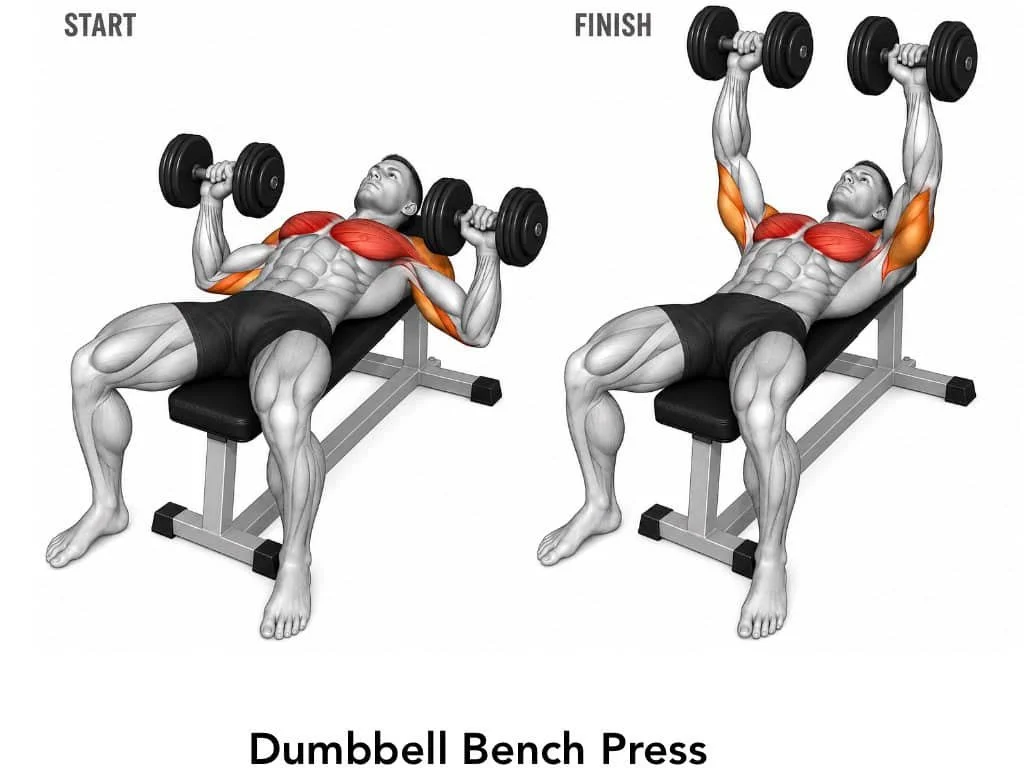
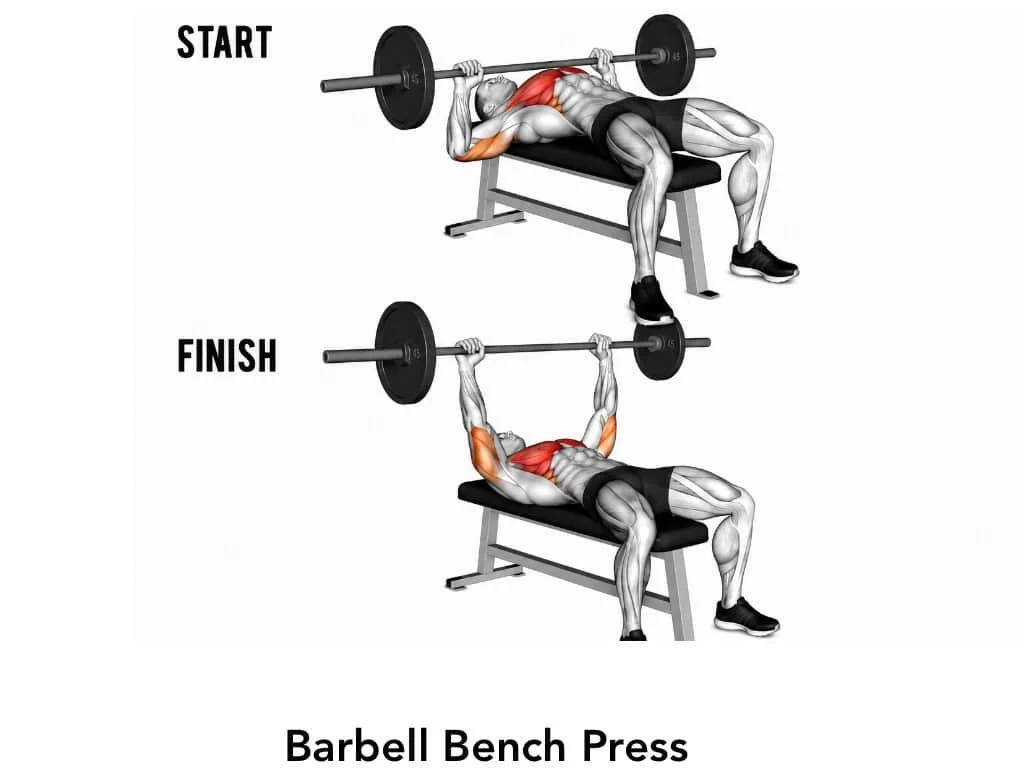
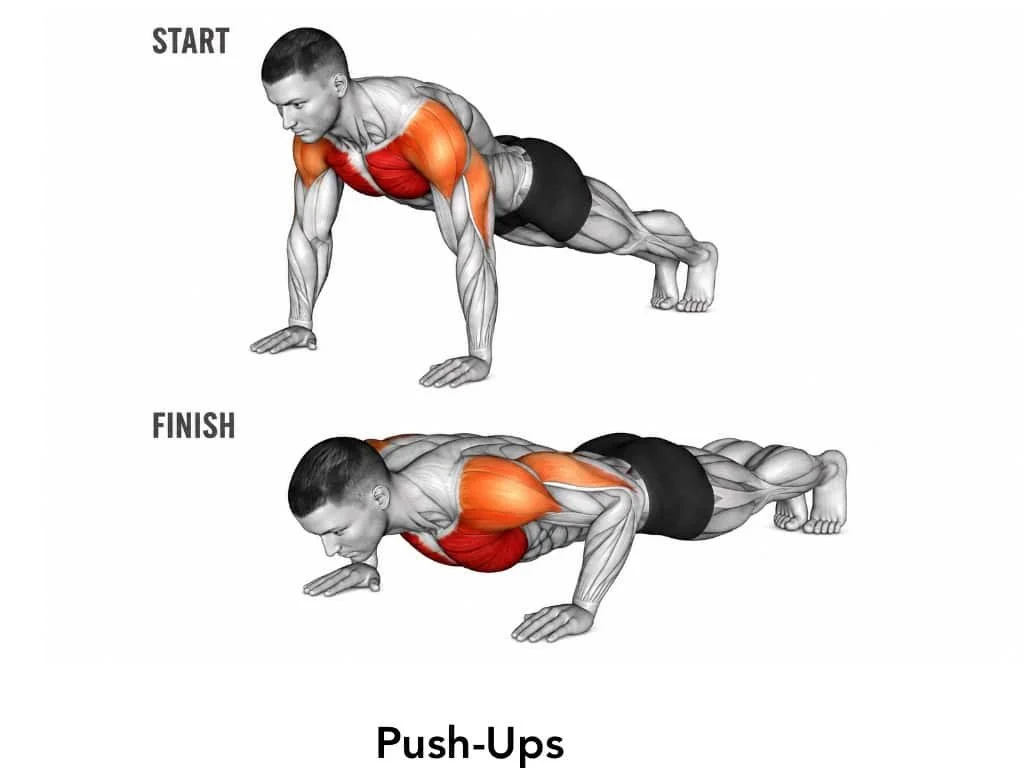
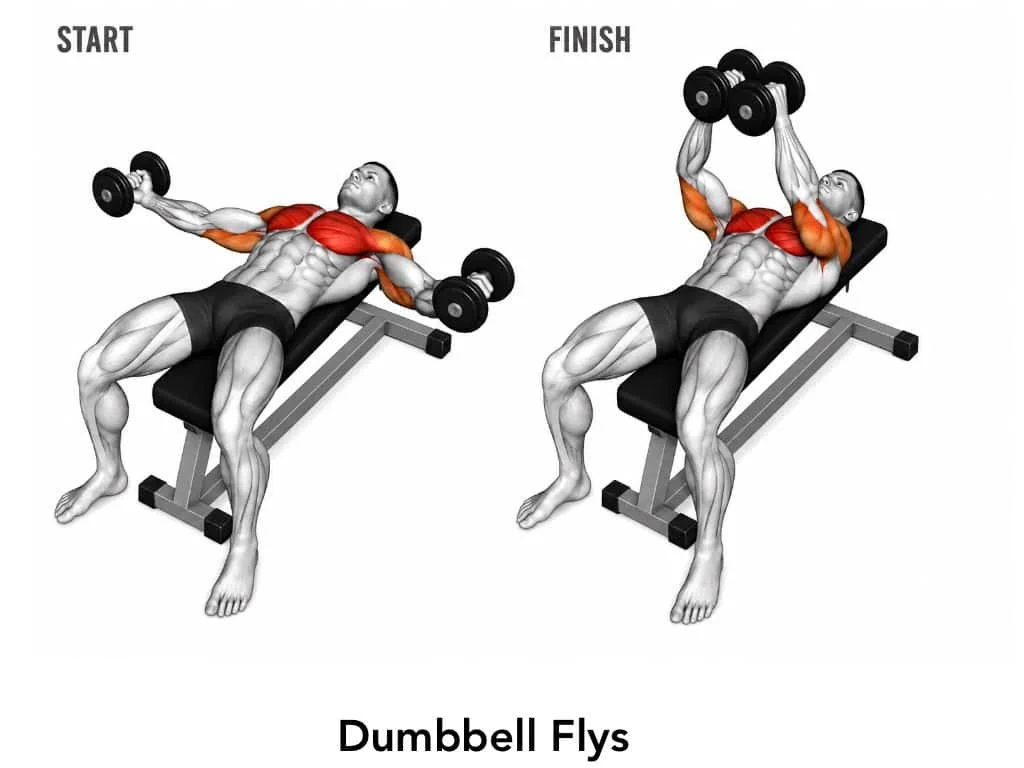
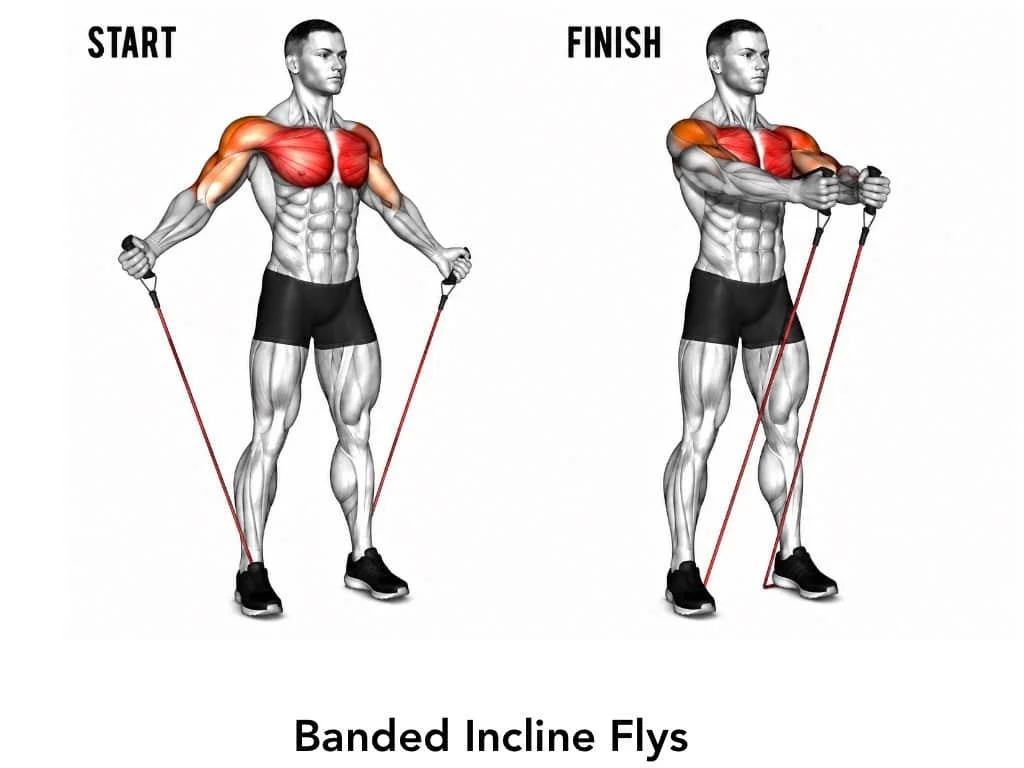
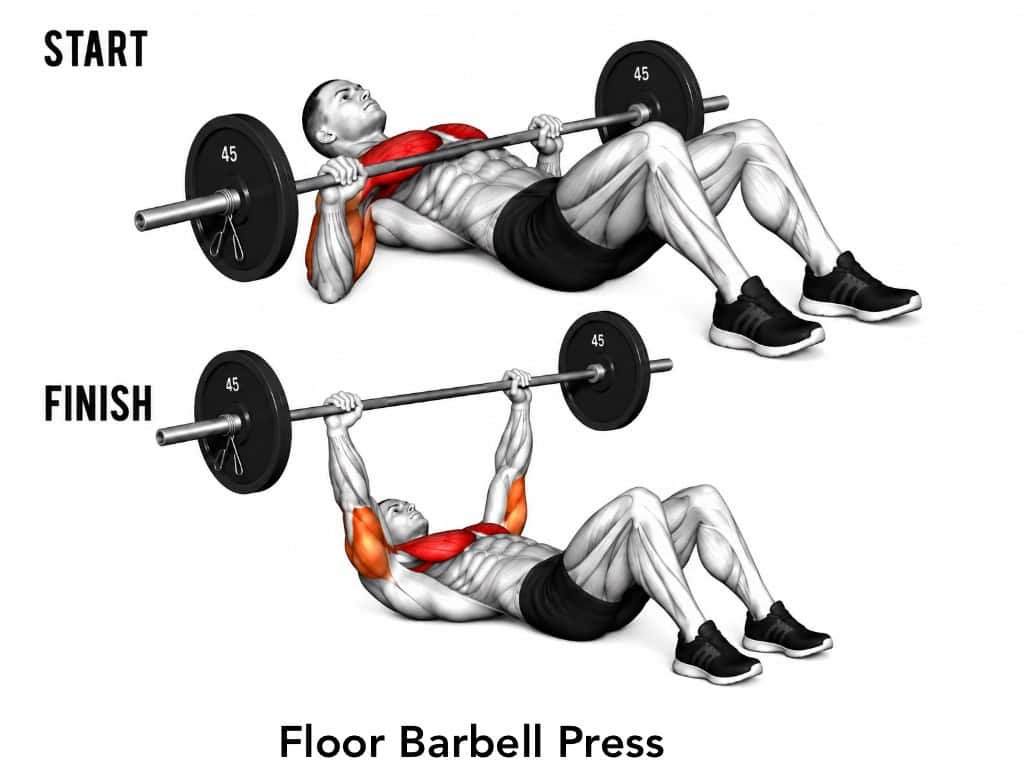
Training all areas of the chest through a variety of pressing and fly movements can help create balanced muscle development while improving strength, function, and overall upper-body performance.