Back Exercises
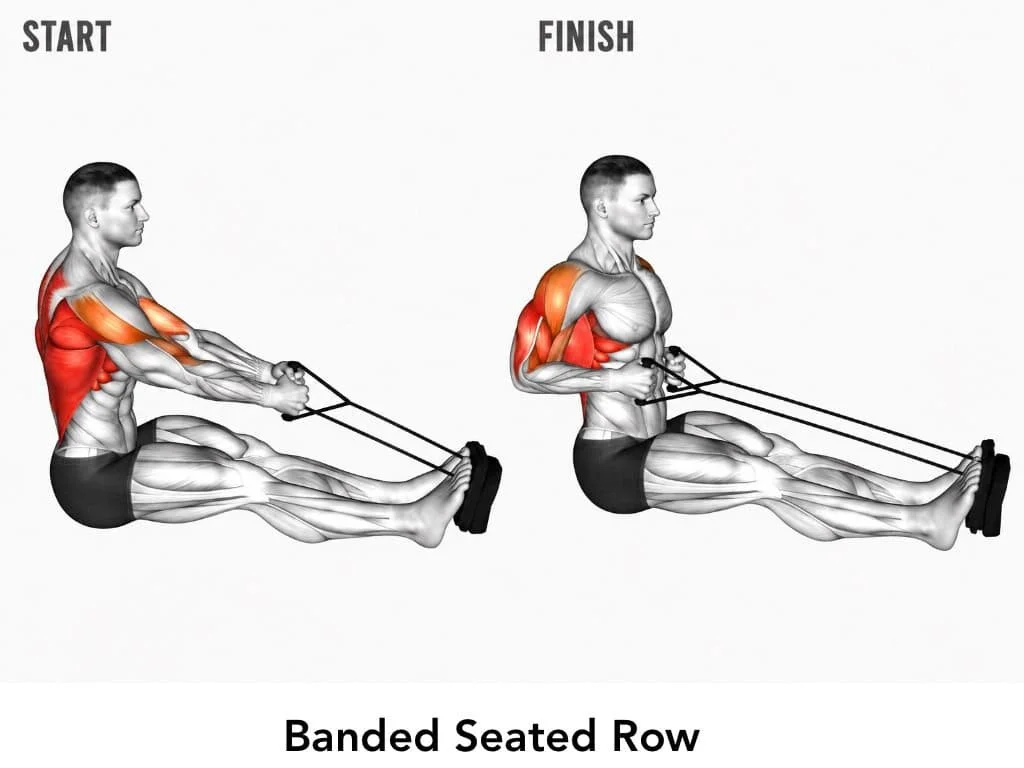
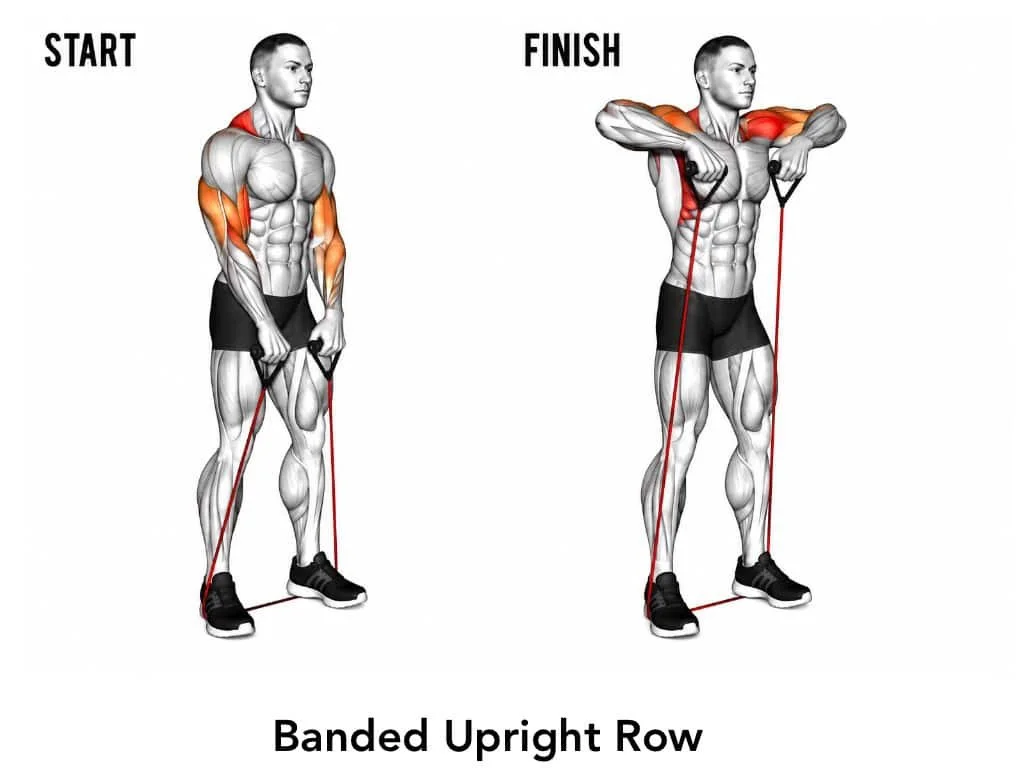
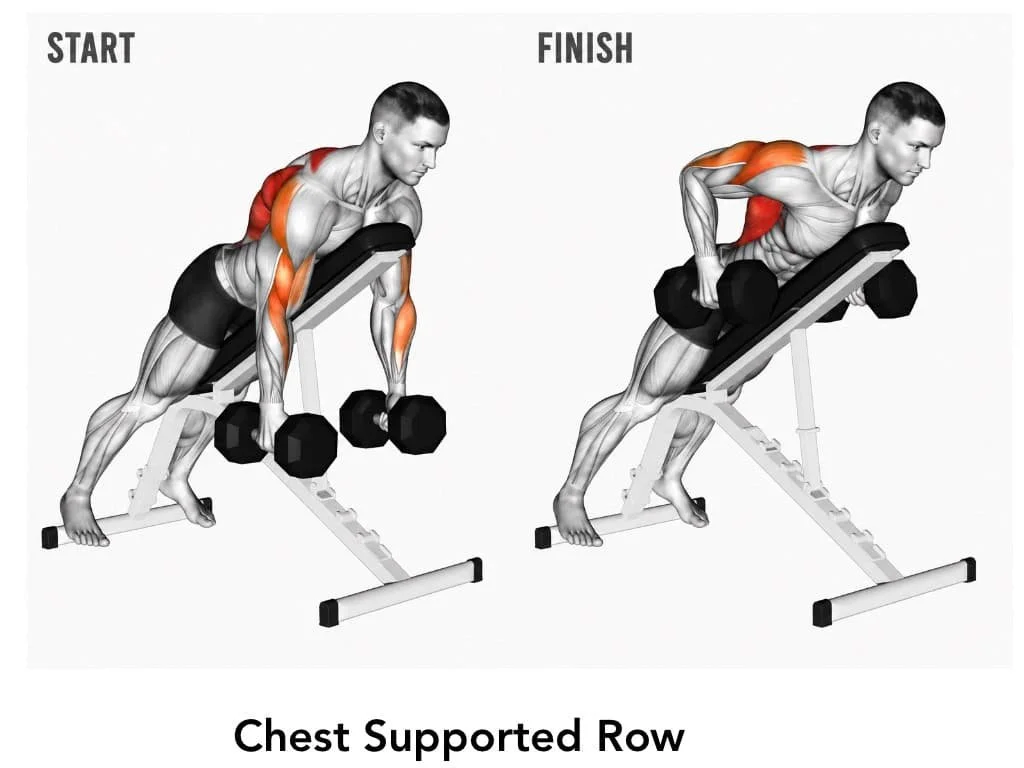
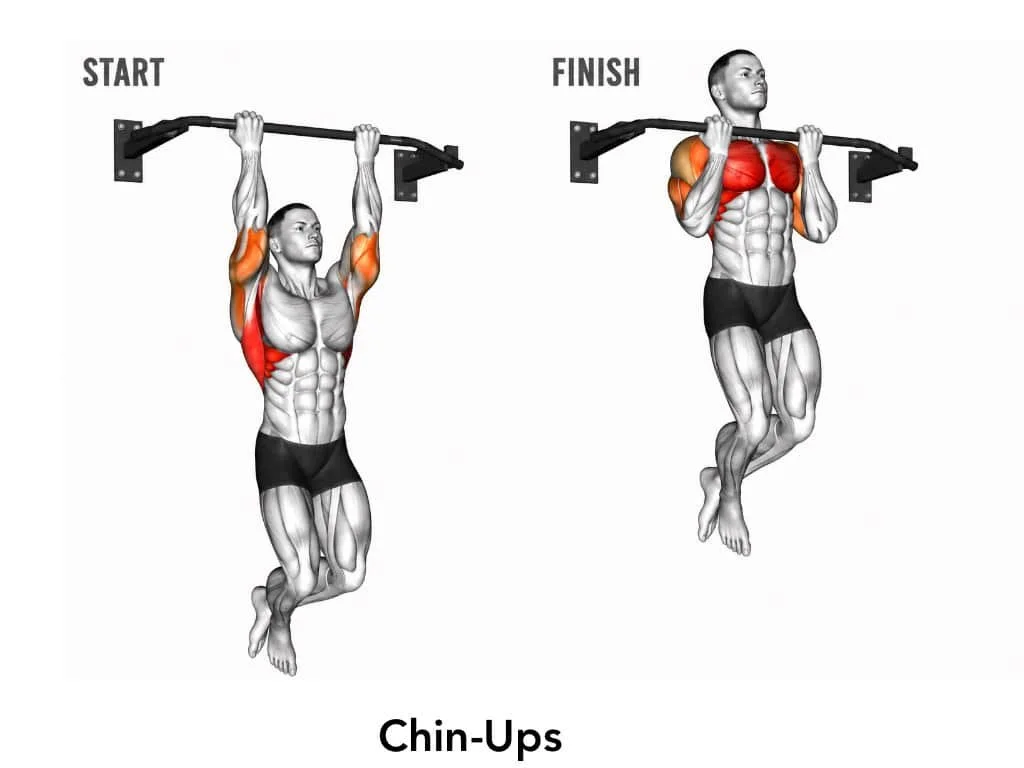
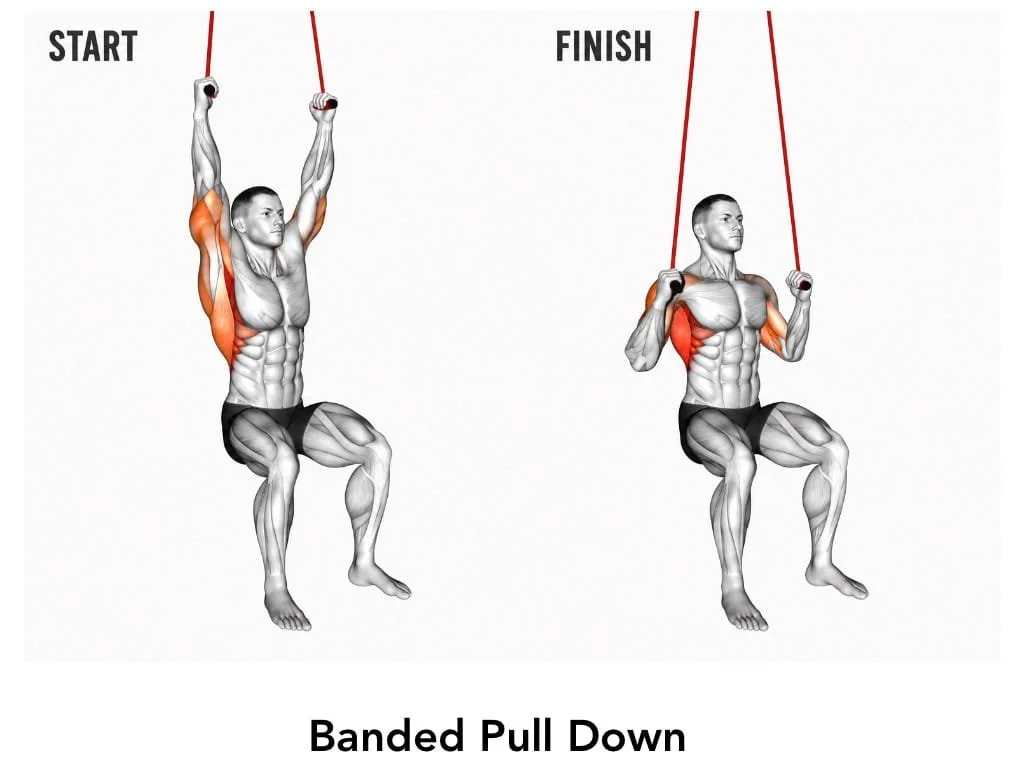
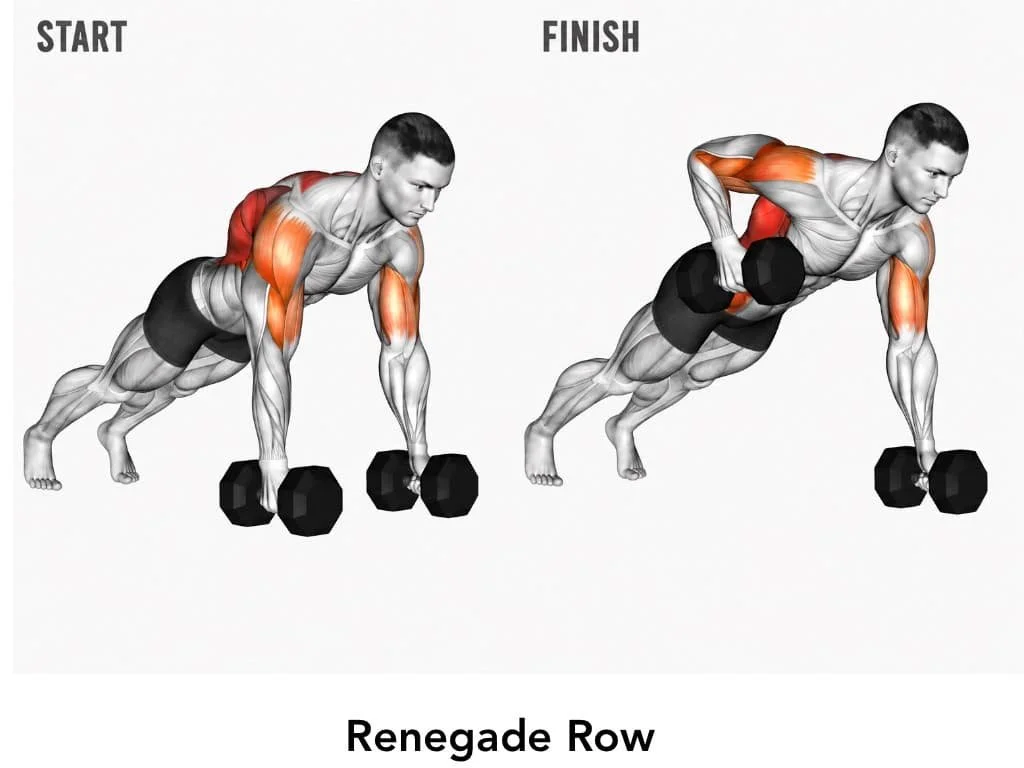
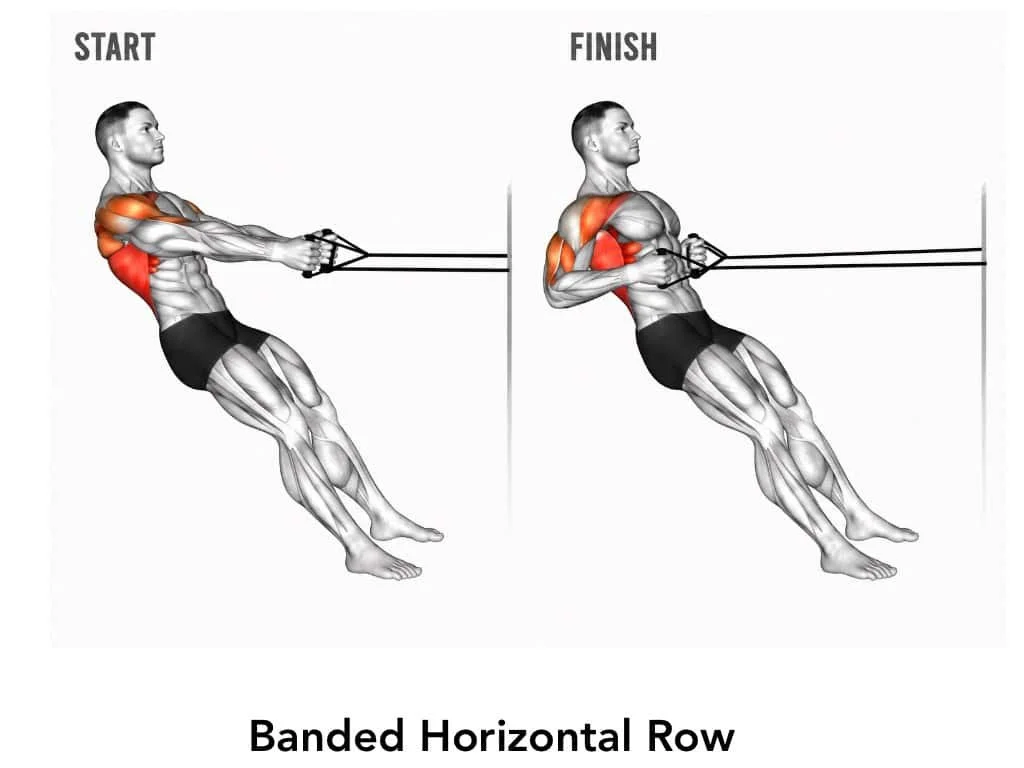
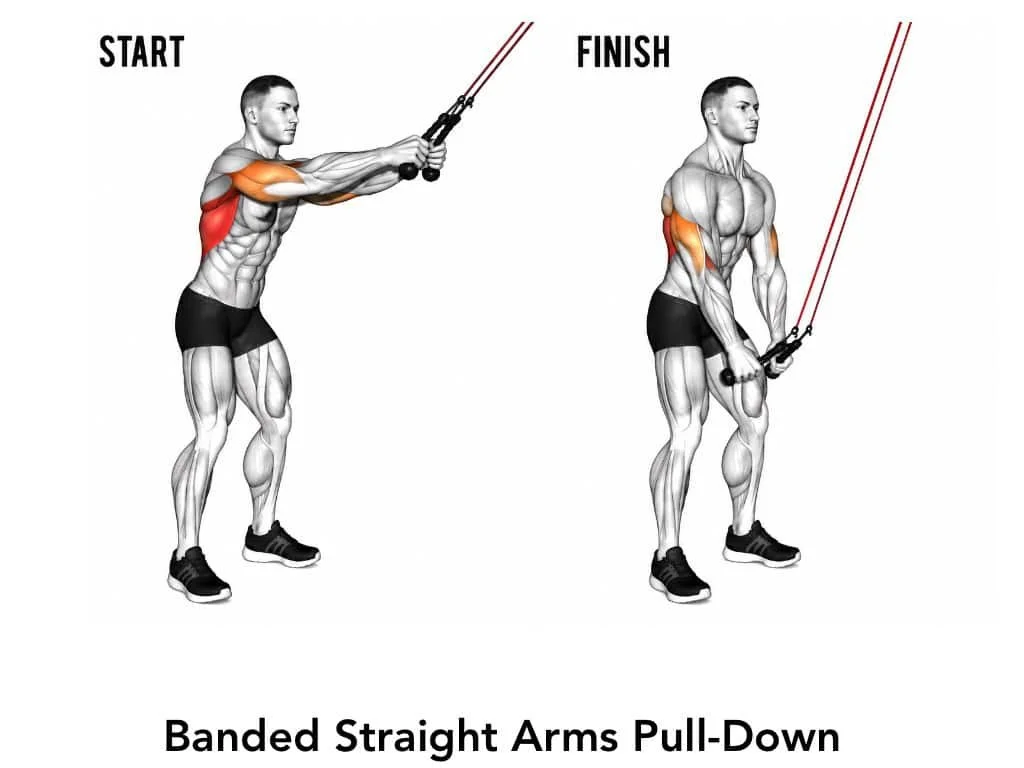
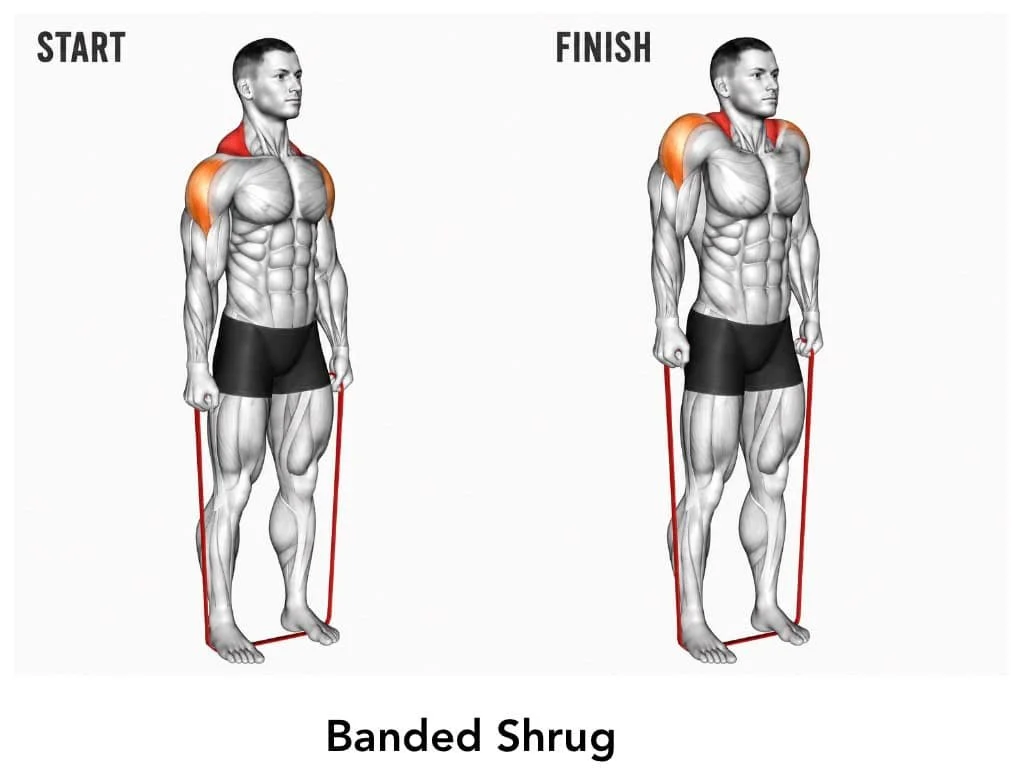
Our back is one of the largest and most important muscle groups in the body, providing support for posture, spinal stability, and upper-body movement. Regular back training can improve strength, reduce the risk of injury, enhance athletic performance, and help maintain healthy posture during daily activities.
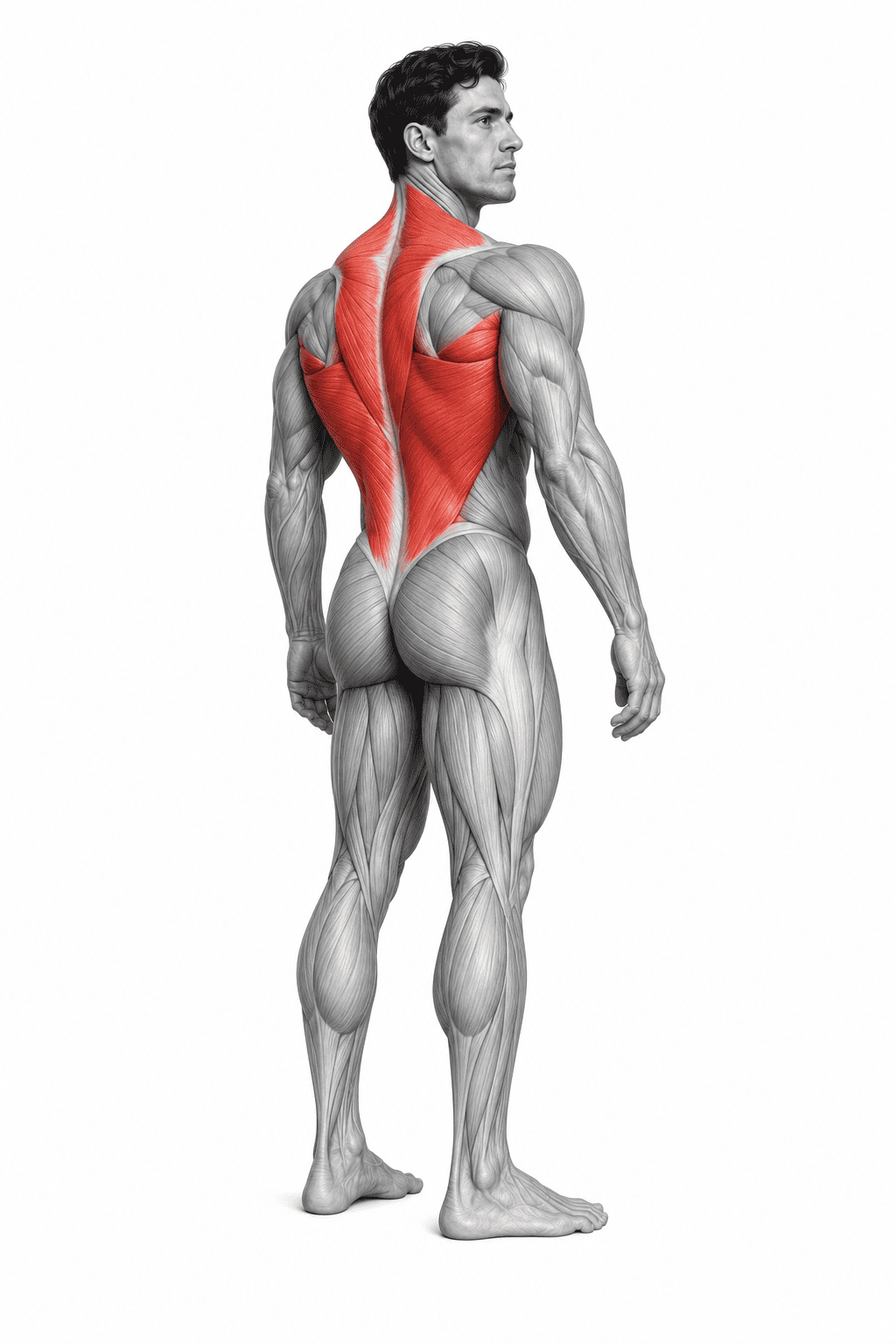
Back Muscle Anatomy
The back consists of several major muscles that work together to support movement and stability:
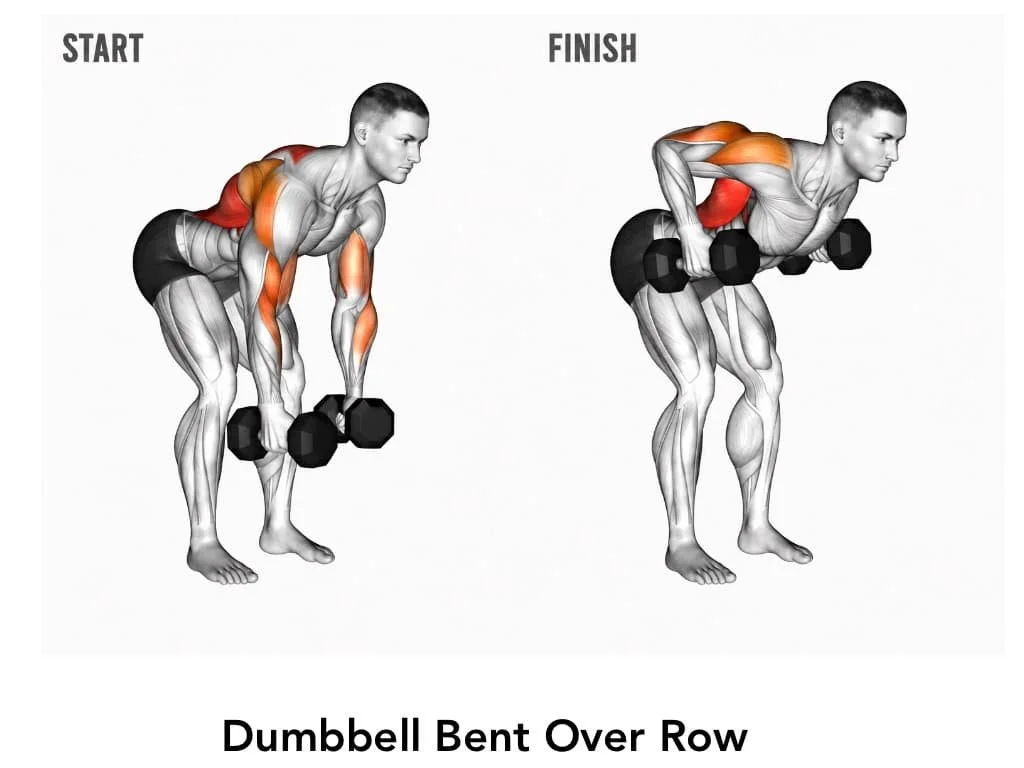
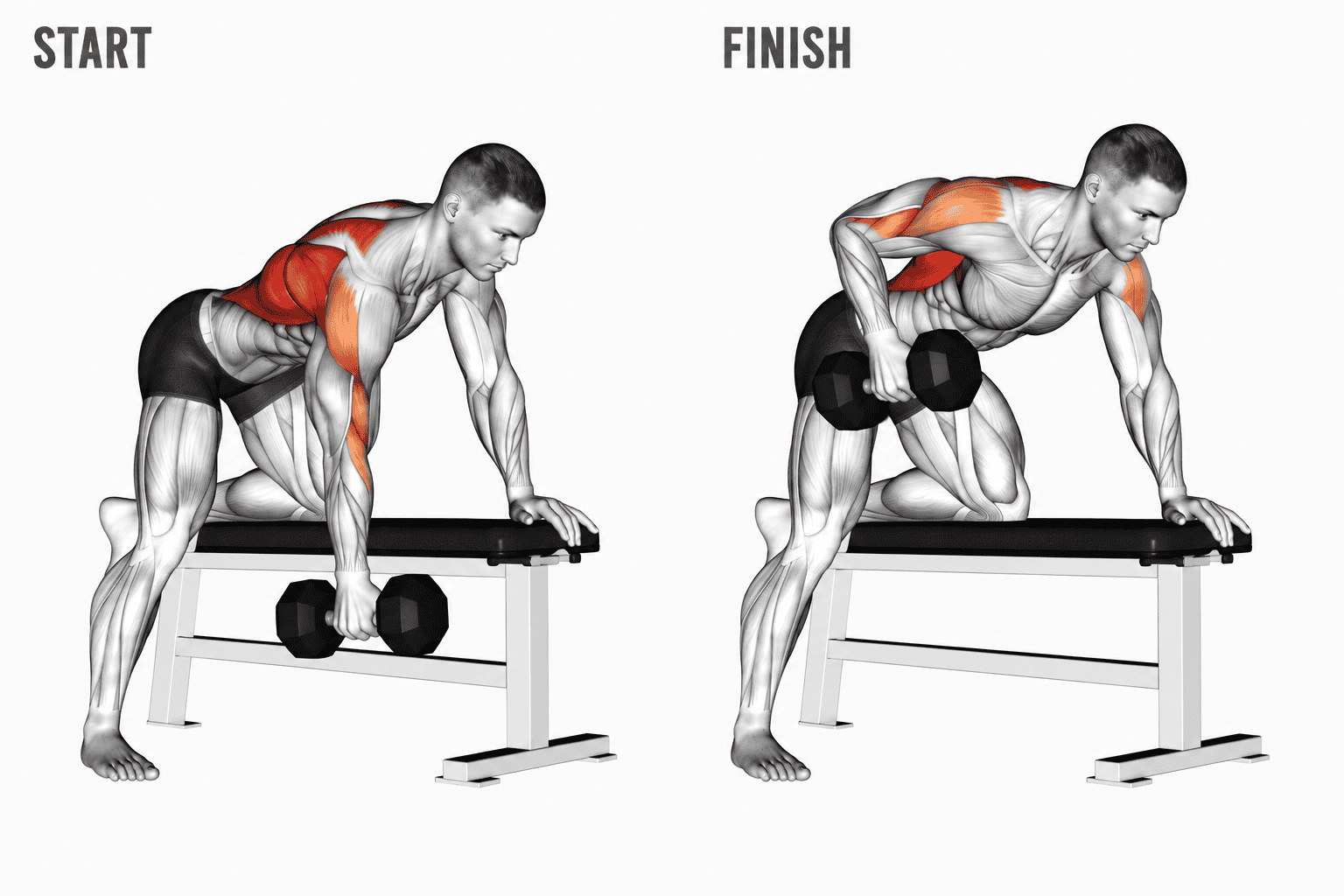
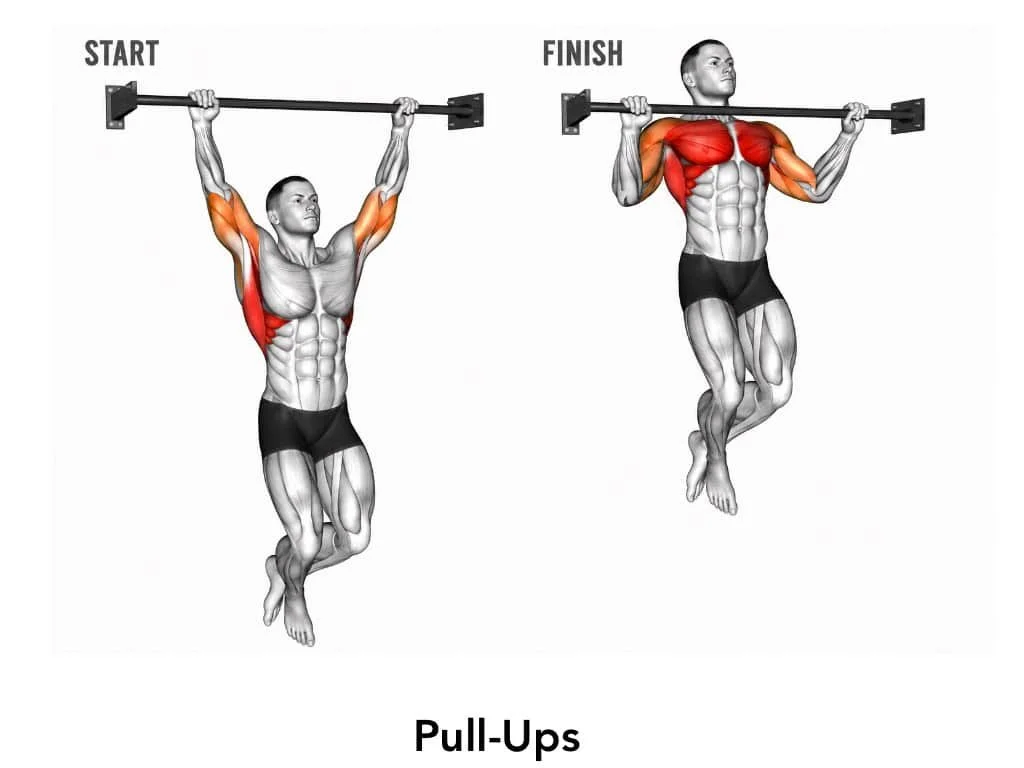
Latissimus Dorsi (Lats) – The large muscles on either side of the back responsible for pulling movements and shoulder extension.
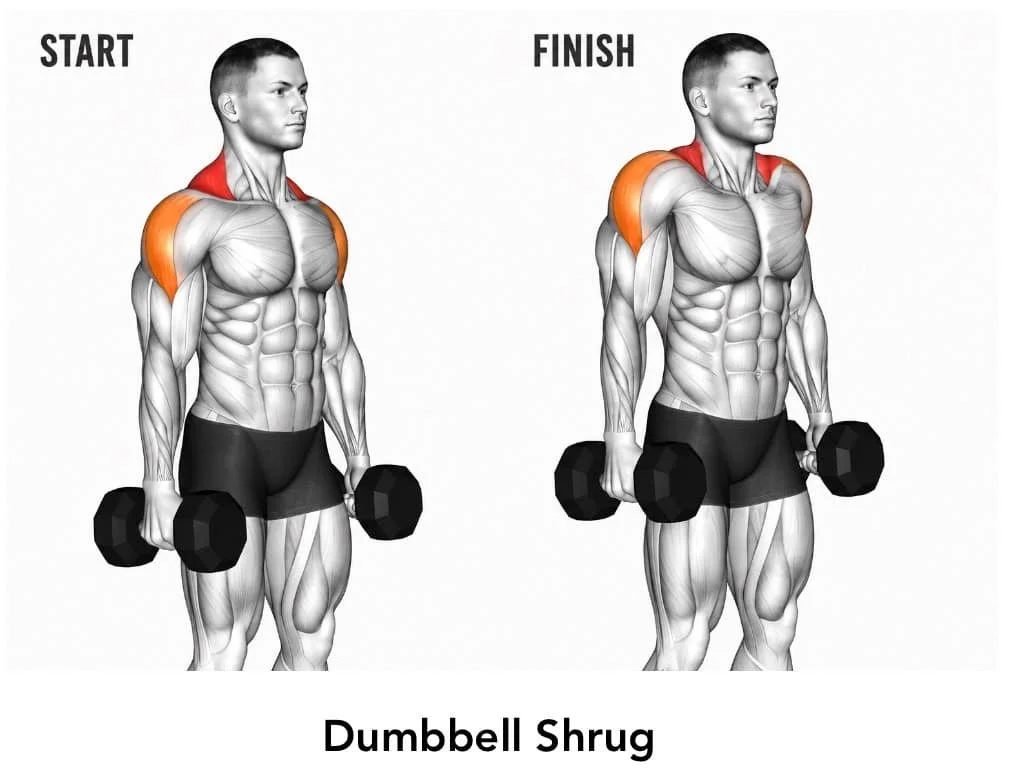
Trapezius (Traps) – Upper, middle, and lower fibers that help move and stabilize the shoulder blades and support neck posture.
Rhomboids – Located between the shoulder blades, helping retract and stabilize the scapulae.
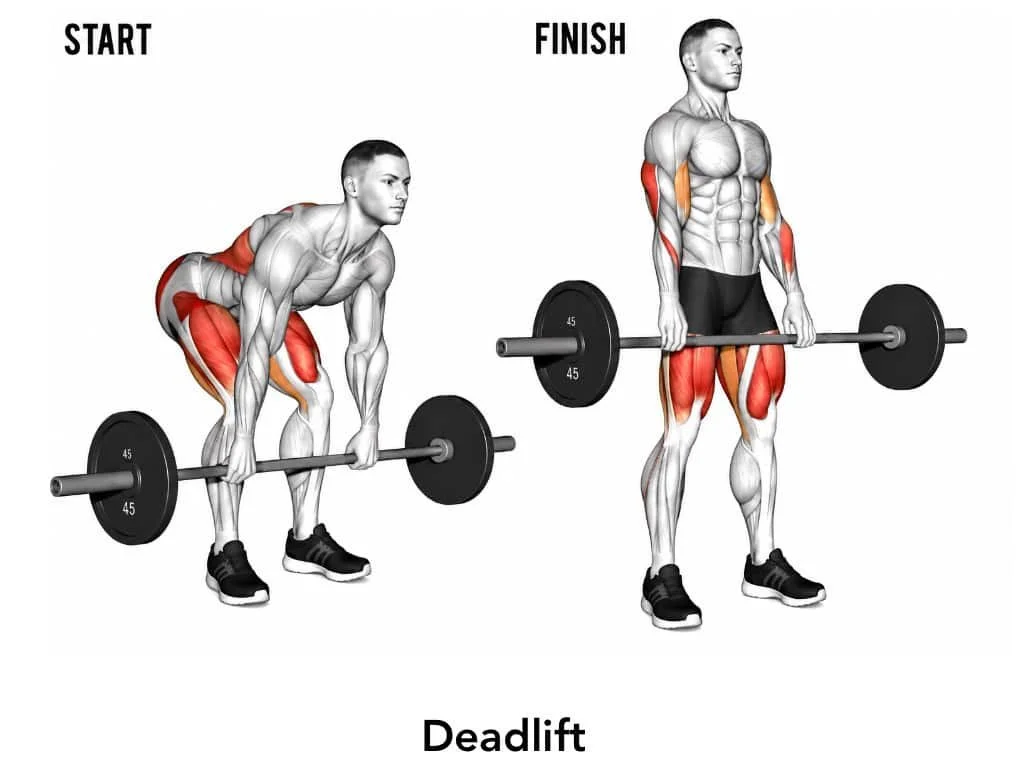
Erector Spinae – A group of muscles running along the spine that maintain posture and assist with spinal extension.
Teres Major and Teres Minor – Small muscles that assist with shoulder movement and stability.
Infraspinatus – Part of the rotator cuff, helping with shoulder rotation and joint stability.
Quadratus Lumborum – A deep lower-back muscle that supports spinal stability and side bending movements.
Benefits of Back Training
Regular back exercises can:
Increase upper-body pulling strength.
Improve posture and spinal alignment.
Support healthy shoulder function.
Reduce the risk of lower-back discomfort.
Enhance athletic performance and functional fitness.
Promote balanced muscle development throughout the upper body.
Improve stability during lifting, carrying, and daily activities.
Medical and Safety Considerations
Back exercises involve the muscles, tendons, ligaments, and joints that support the spine and shoulders. Proper technique is essential for maximizing results and minimizing injury risk.
Warm up before training to prepare the muscles and joints.
Maintain a neutral spine during lifting exercises.
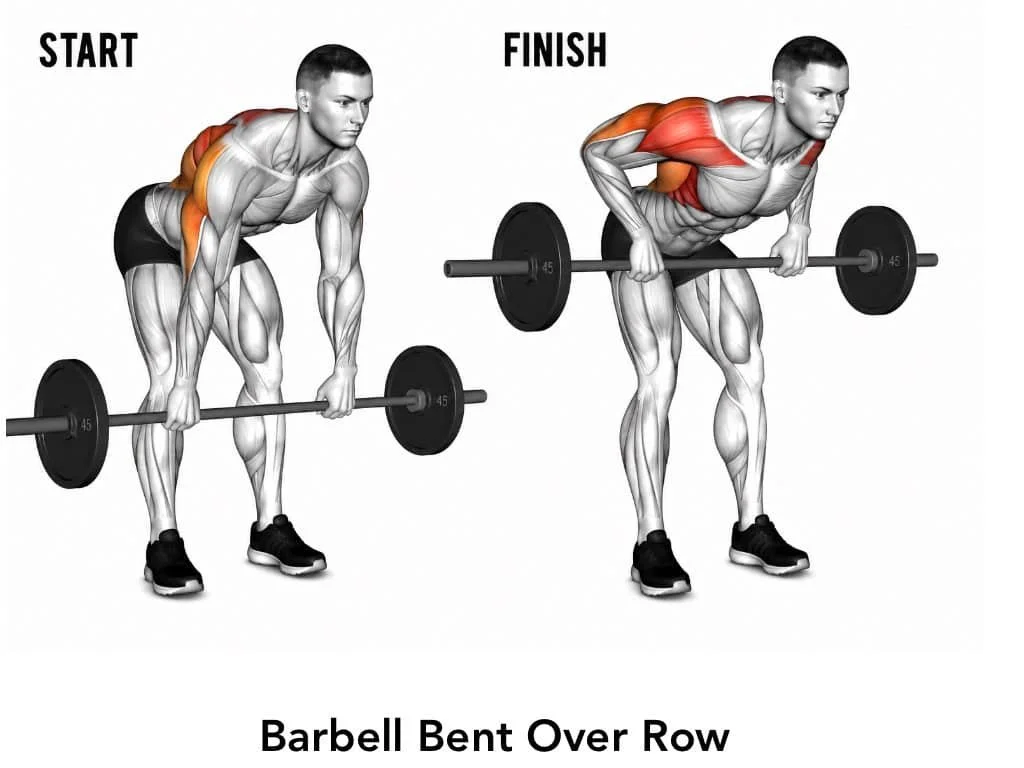
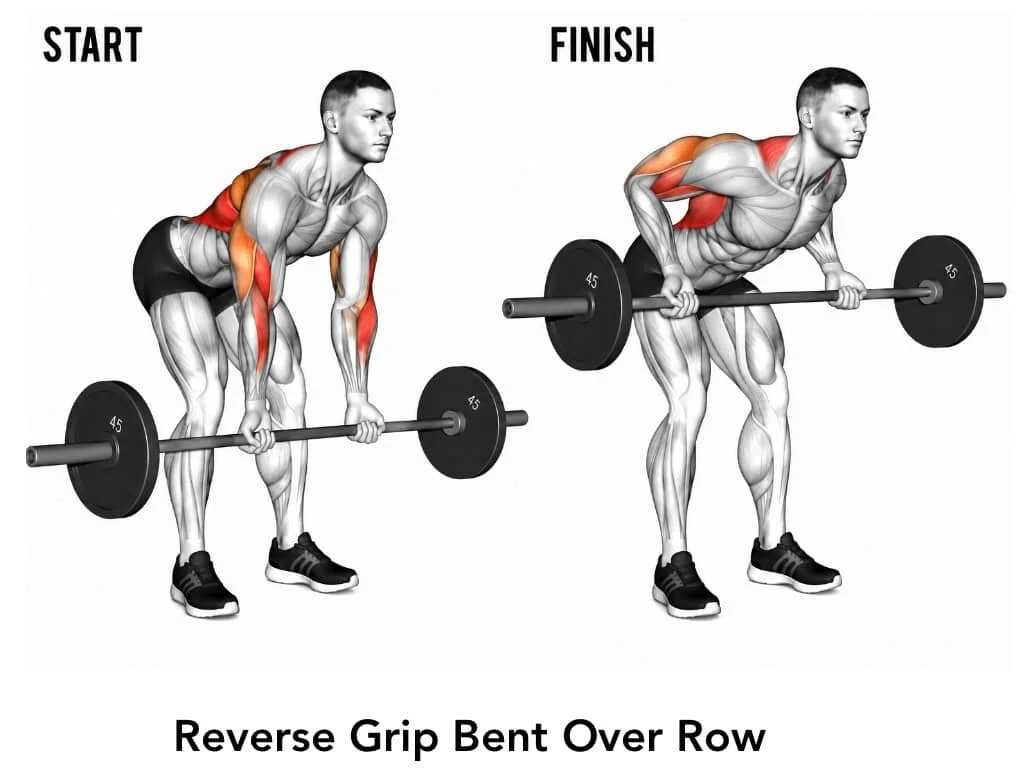
Avoid rounding the lower back when performing rows or deadlifts.
Use controlled movements and avoid excessive momentum.
Strengthen the core muscles to help support spinal stability.
Gradually increase resistance as strength improves.
Stop exercising if you experience sharp pain, numbness, or discomfort in the back or neck.
Training the entire back through a combination of vertical pulling, horizontal rowing, and spinal stabilization exercises can help develop strength, muscle mass, and overall functional fitness while supporting long-term spinal health.