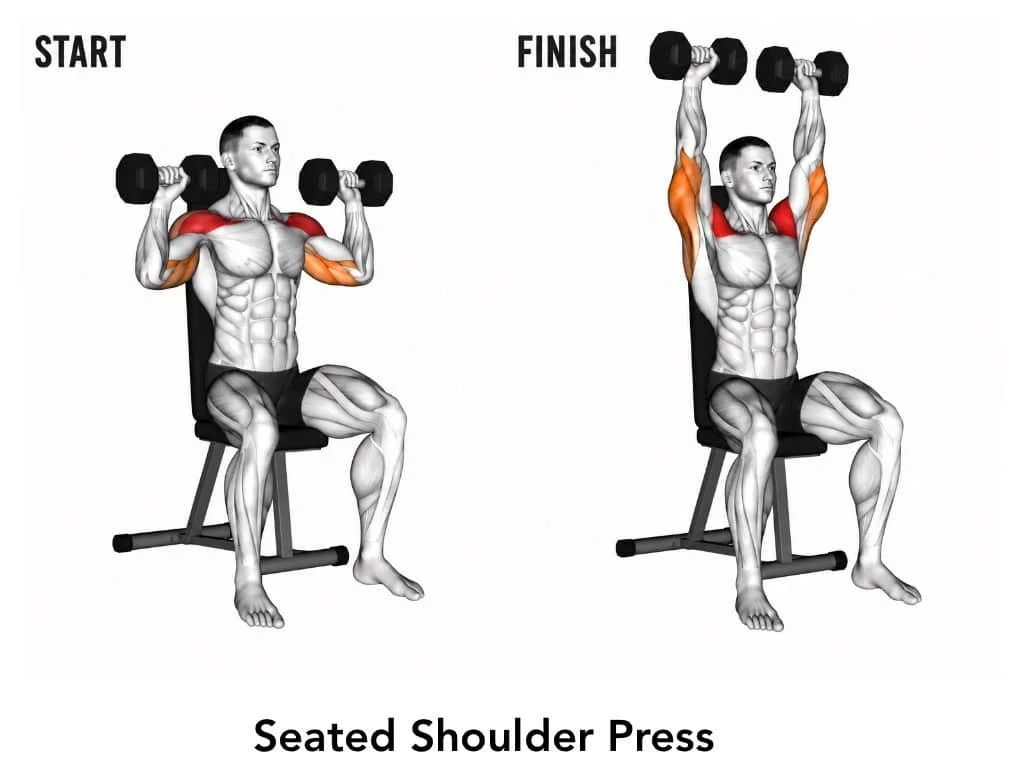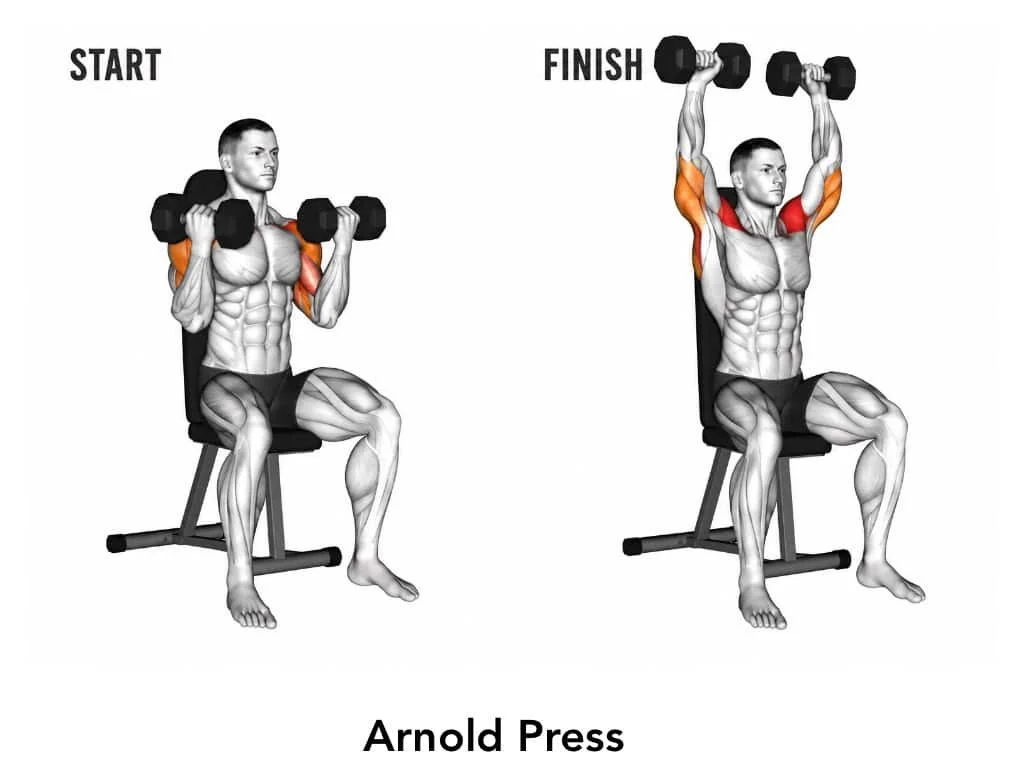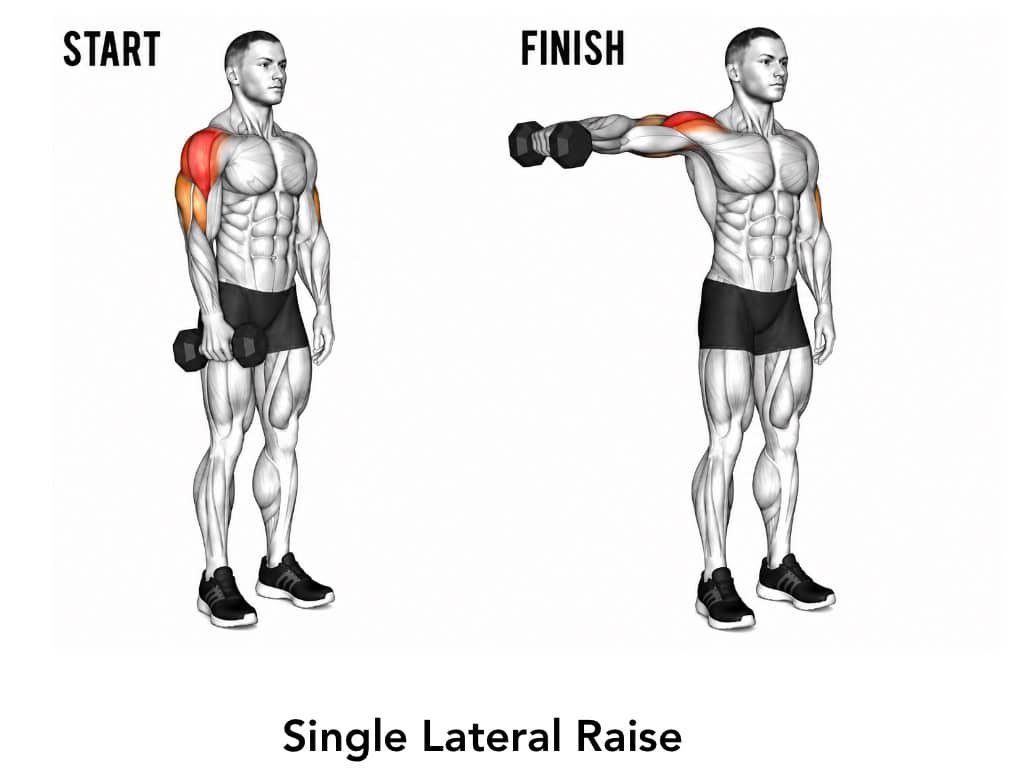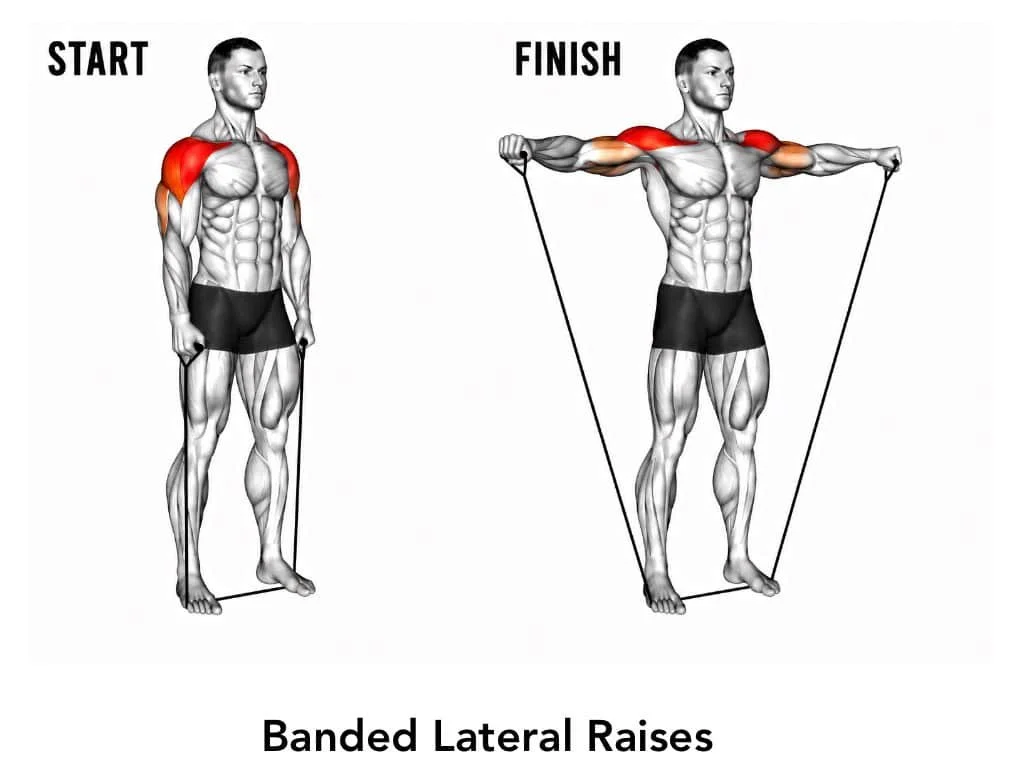
Shoulder Exercises
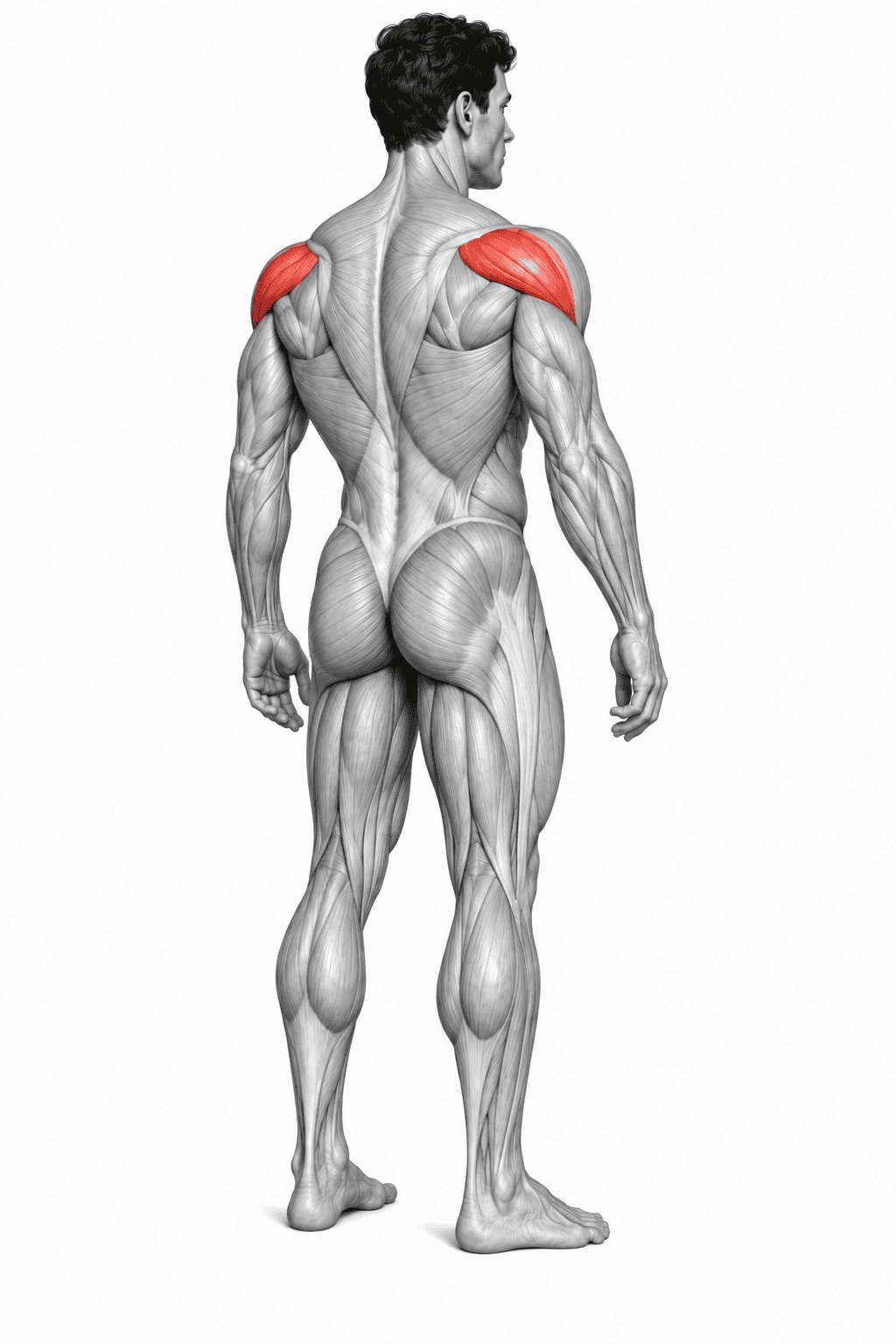
Our shoulders are among the most mobile joints in the human body, allowing a wide range of arm movements in multiple directions. Strong and healthy shoulder muscles are essential for lifting, pushing, pulling, throwing, and many everyday activities. Regular shoulder training can improve upper-body strength, stability, posture, and athletic performance while helping to support long-term joint health.
Shoulder Muscle Anatomy
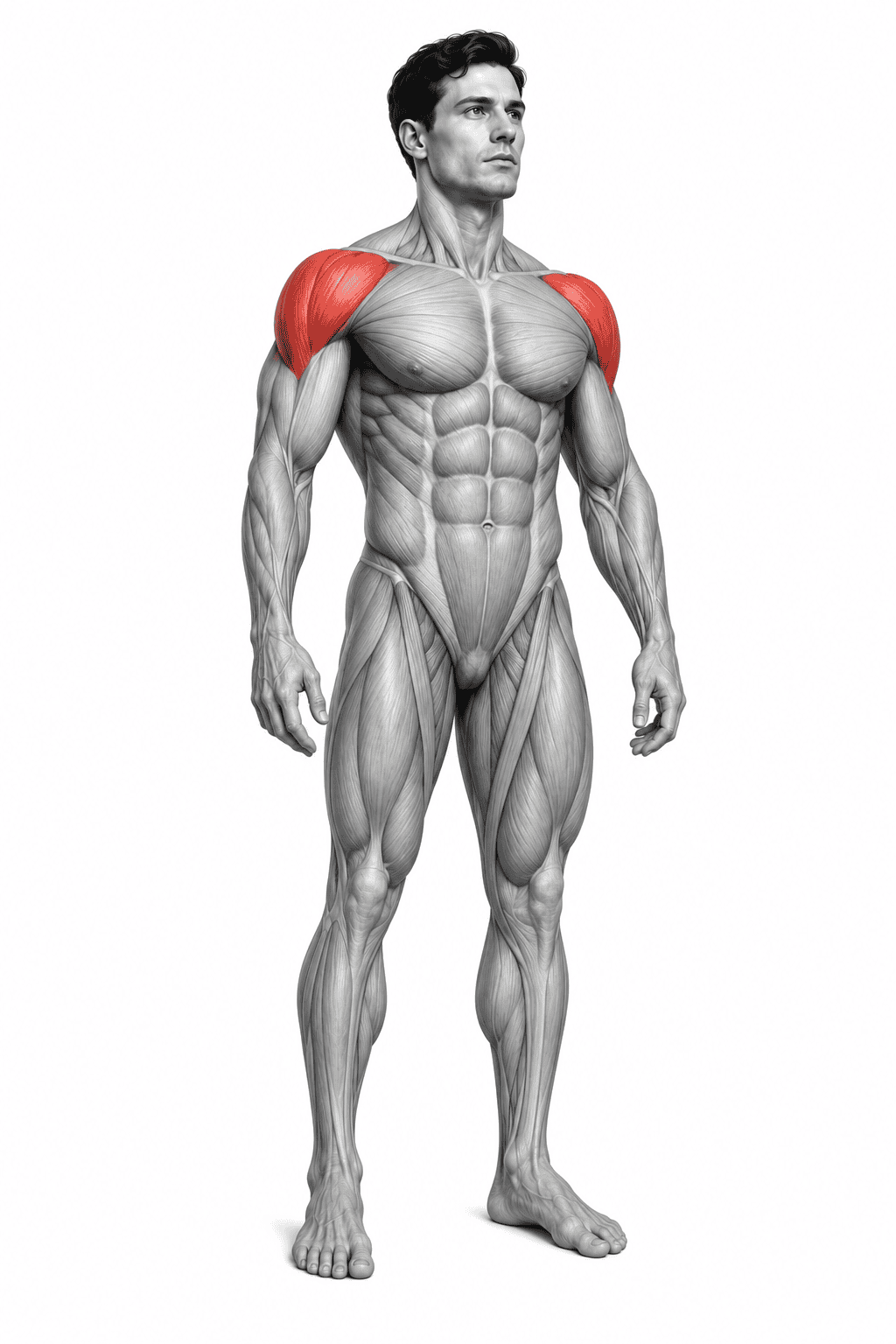
The shoulder complex consists of several muscles that work together to produce movement and stabilize the shoulder joint:
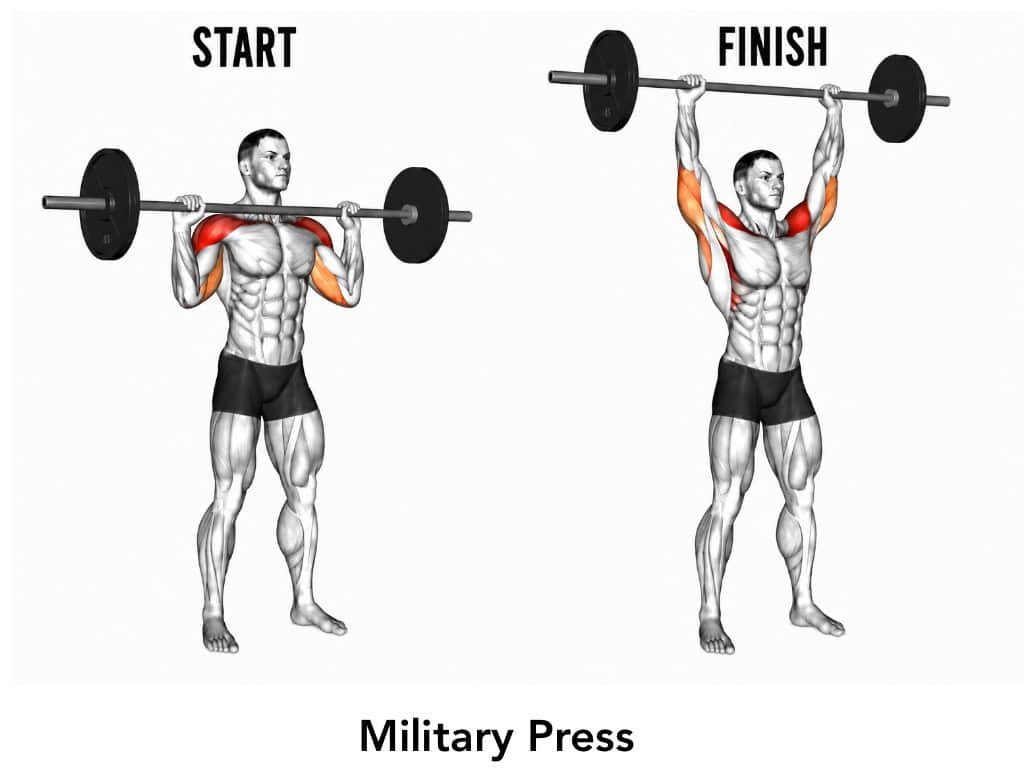
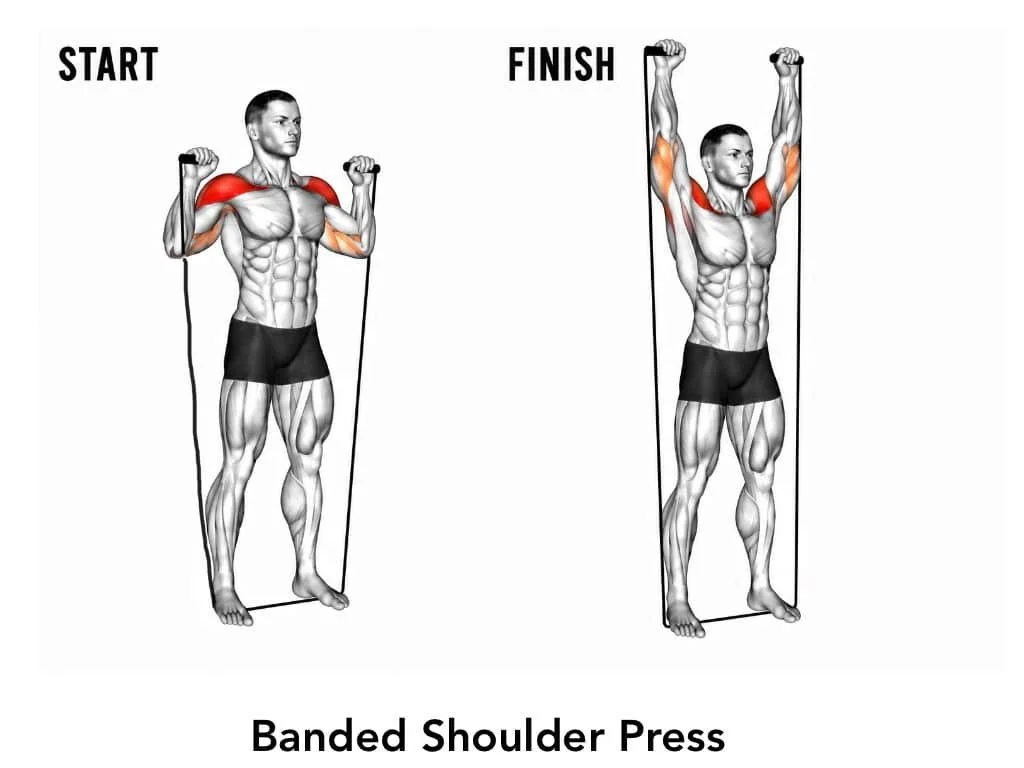
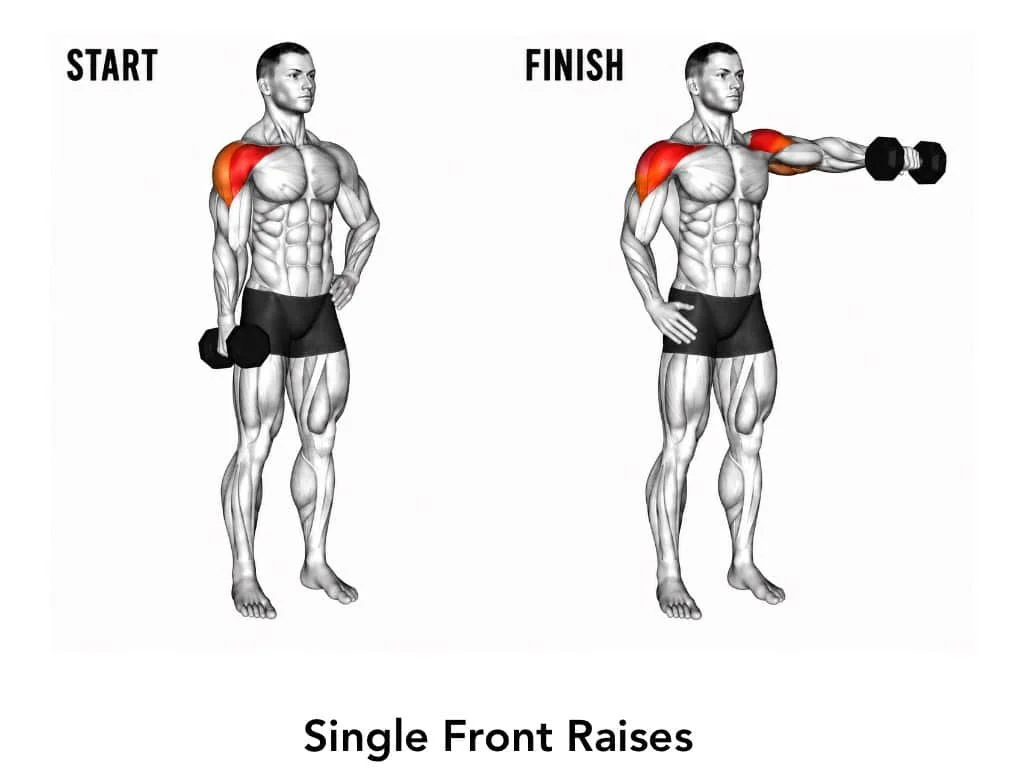
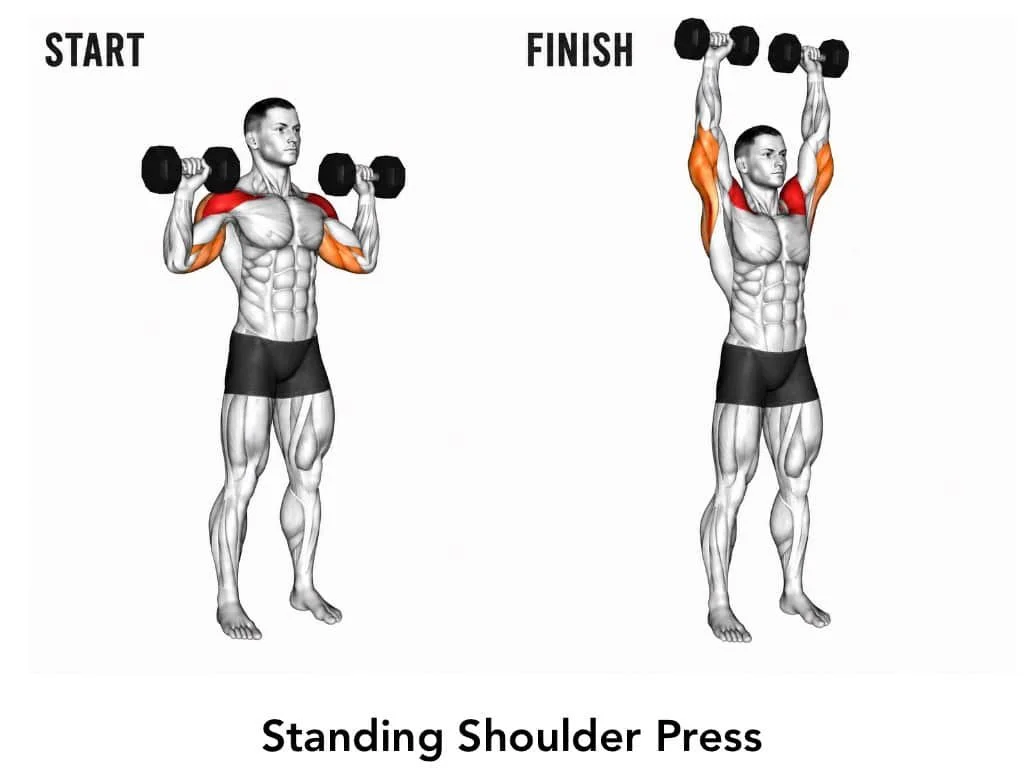
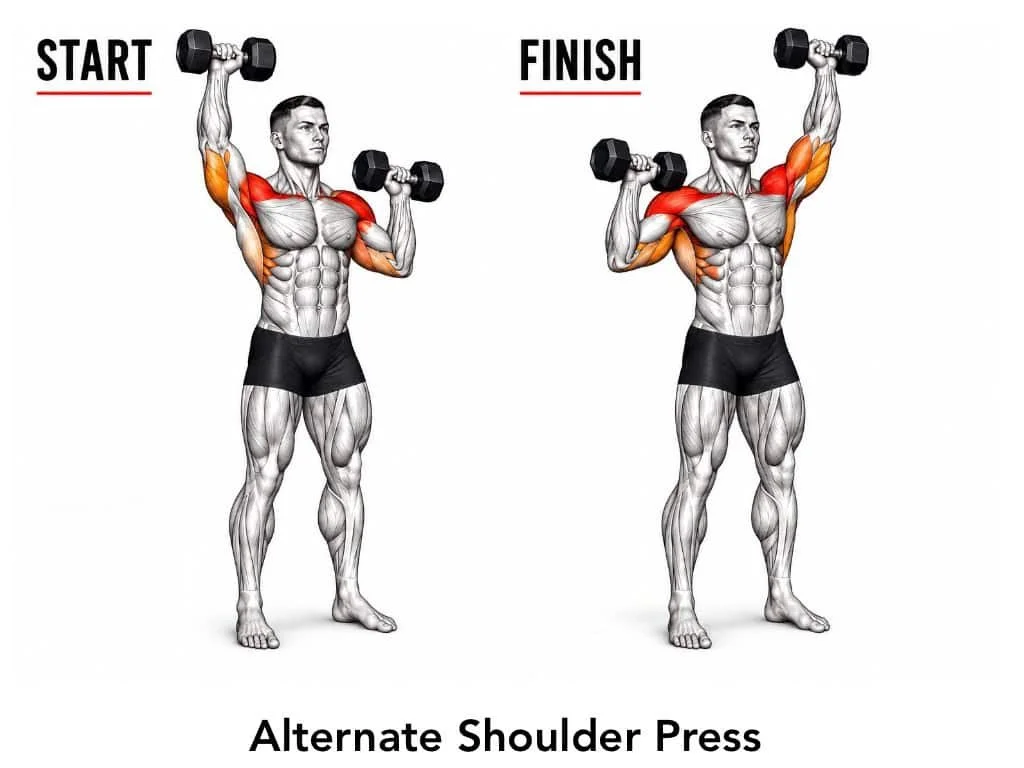
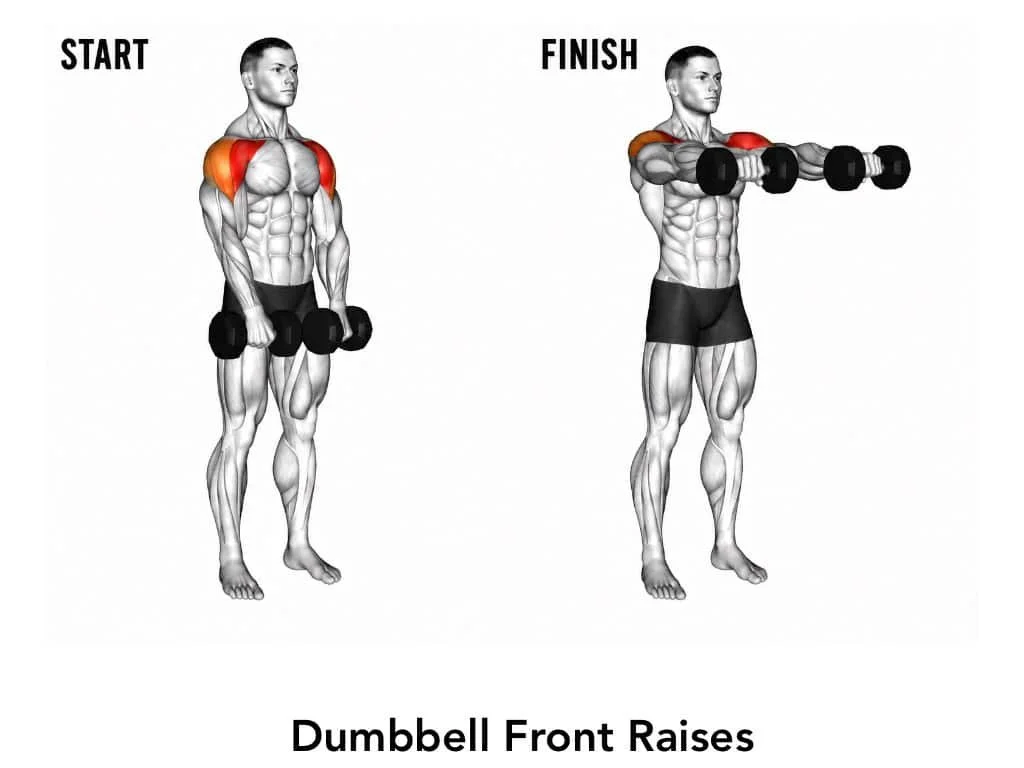
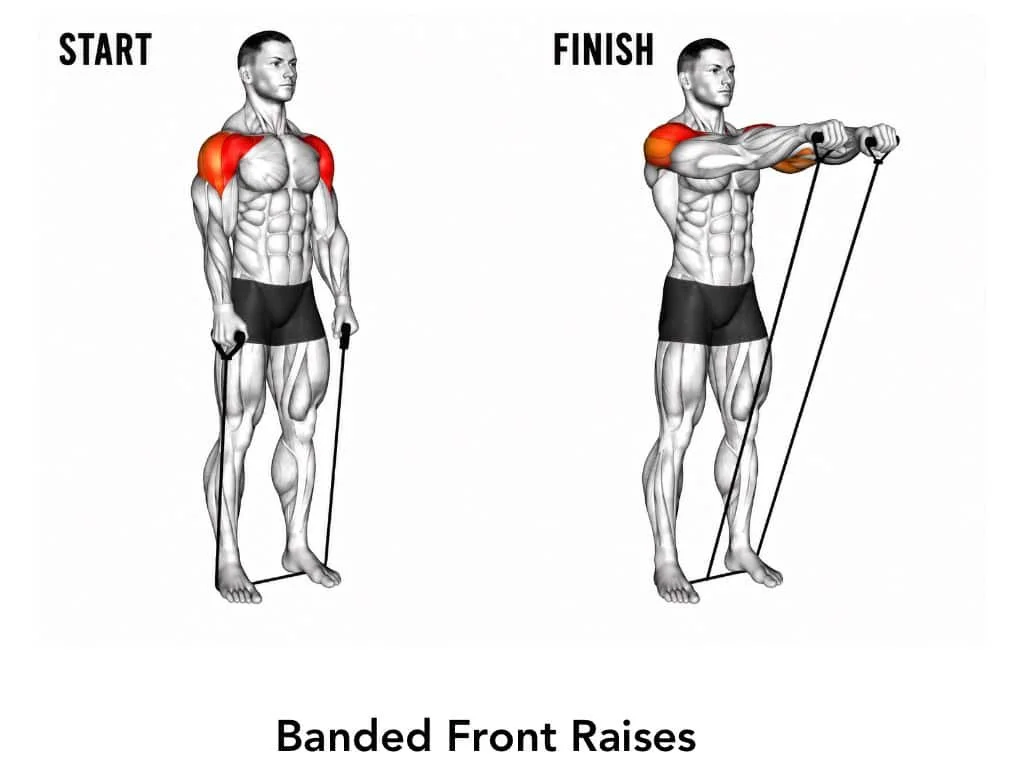
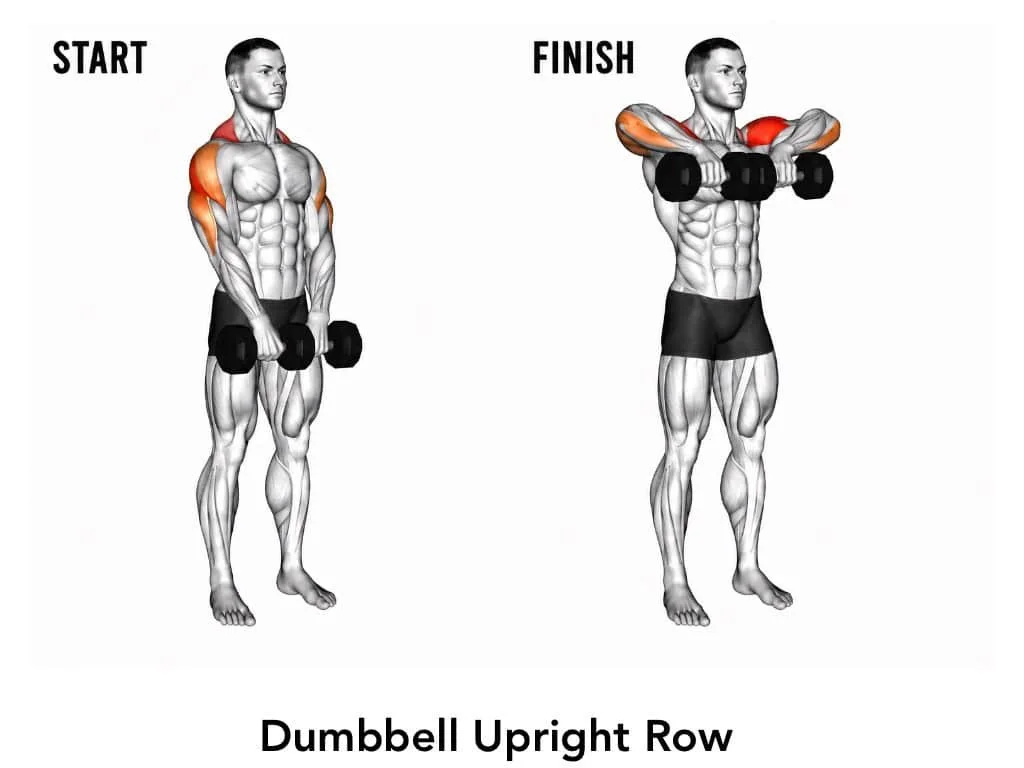
Anterior Deltoid (Front Deltoid) – Responsible for shoulder flexion and assists with pressing and lifting movements in front of the body.
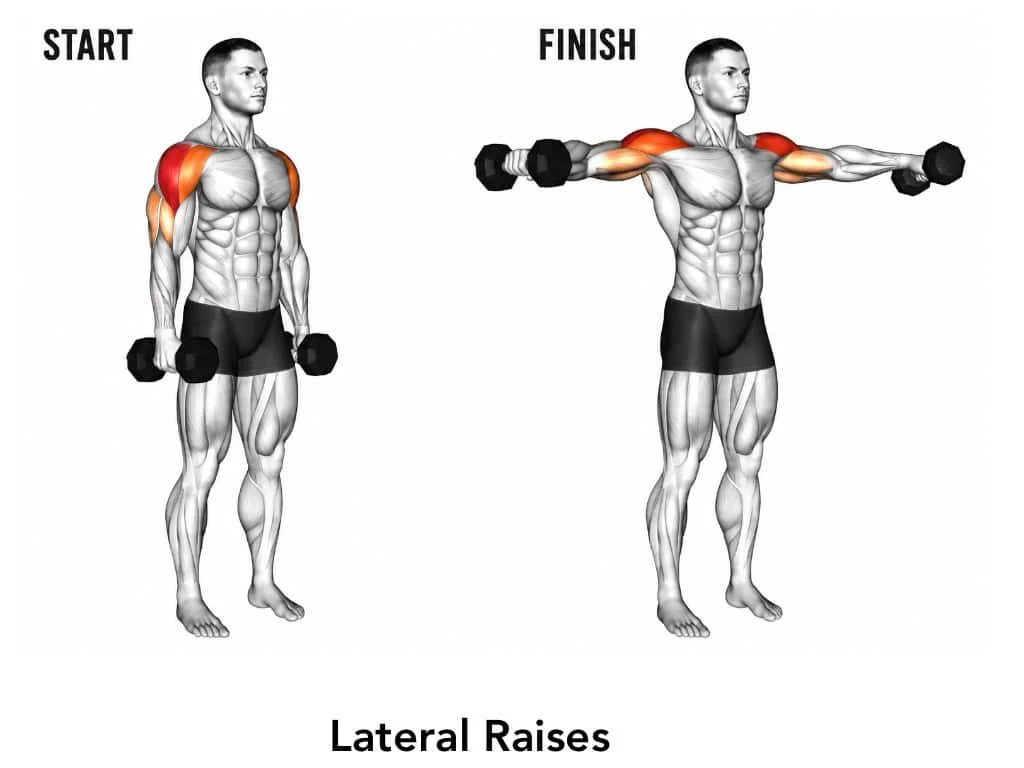
Lateral Deltoid (Side Deltoid) – Responsible for lifting the arms away from the body and contributes to shoulder width and overall appearance.
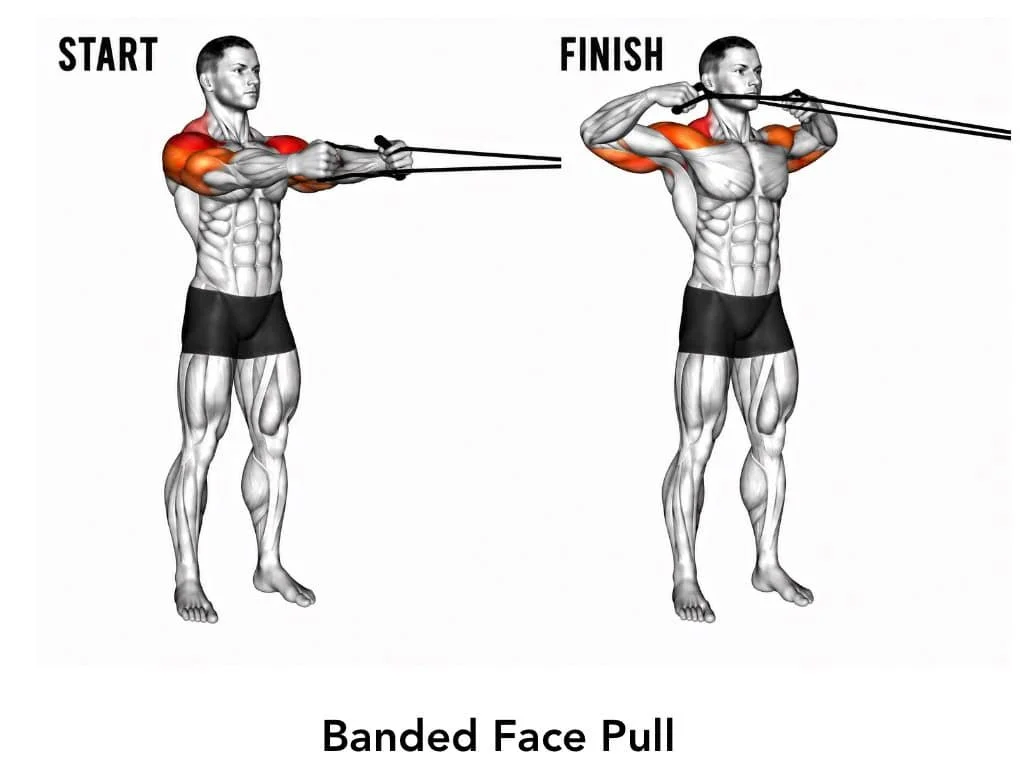
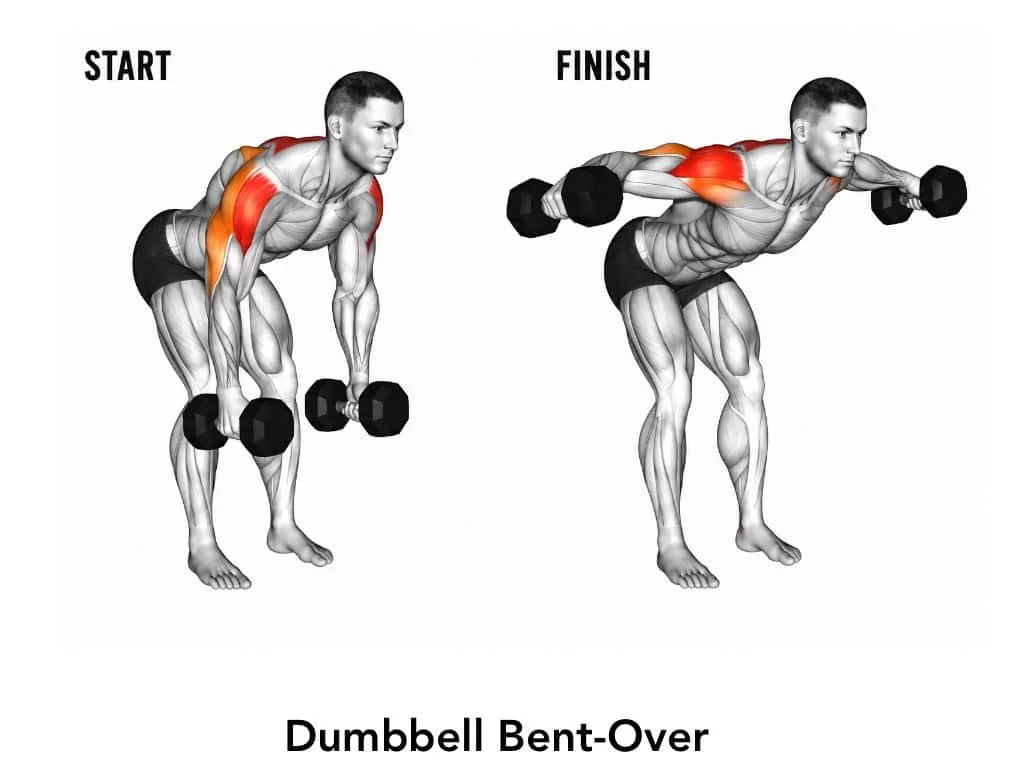
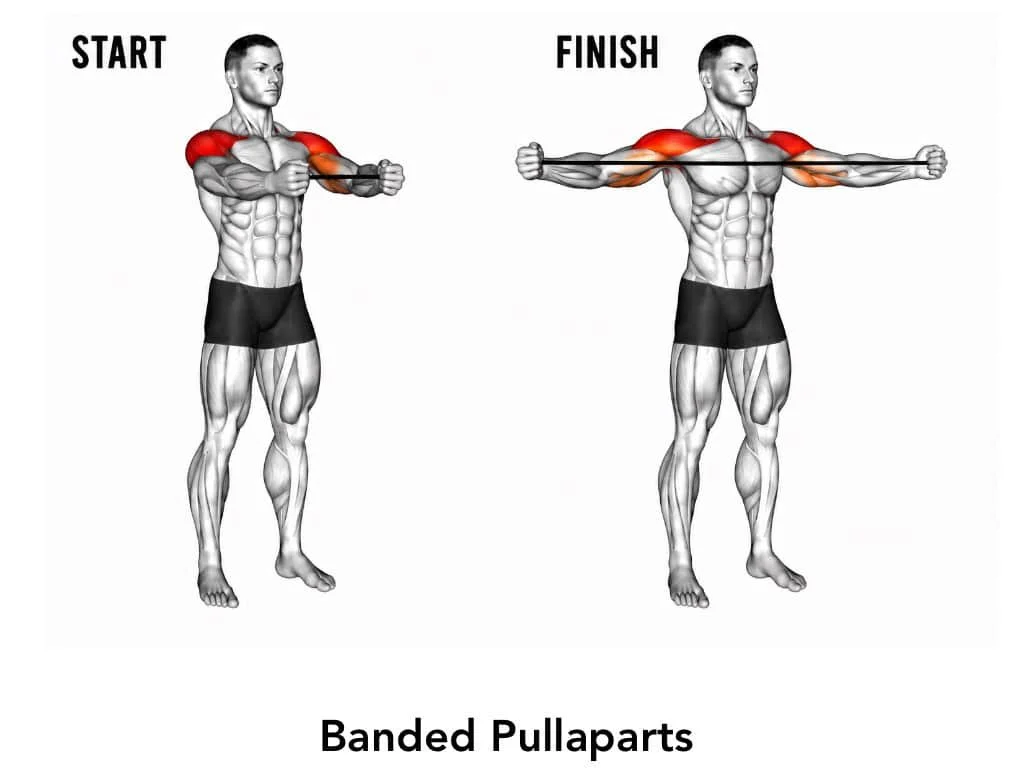
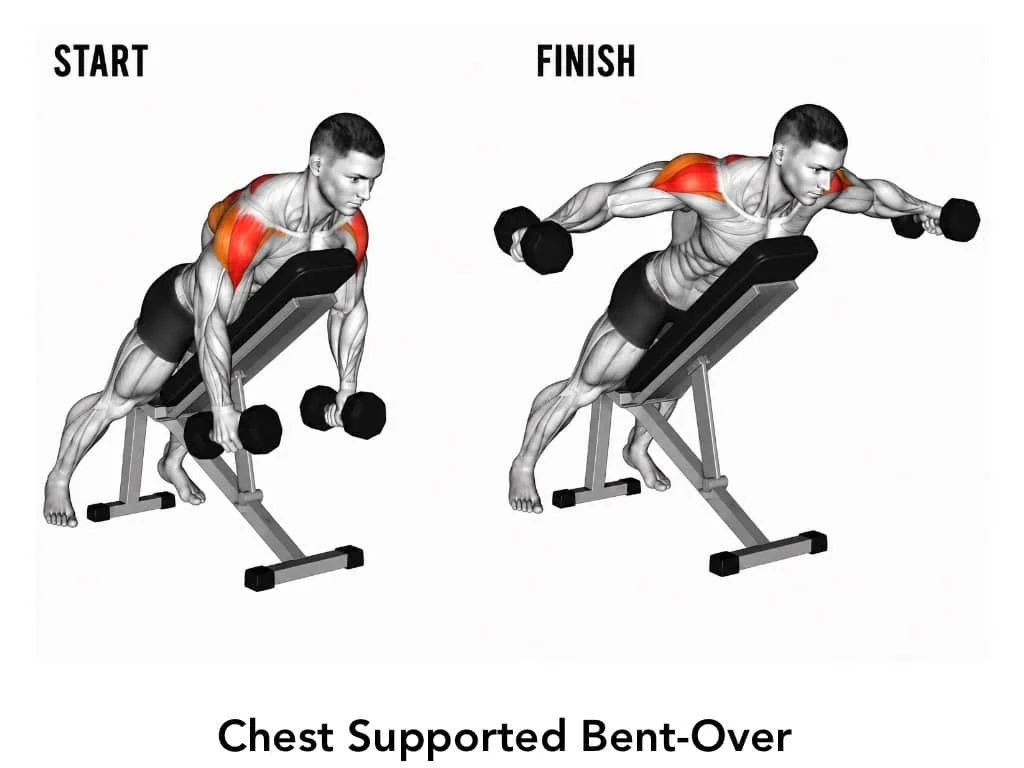
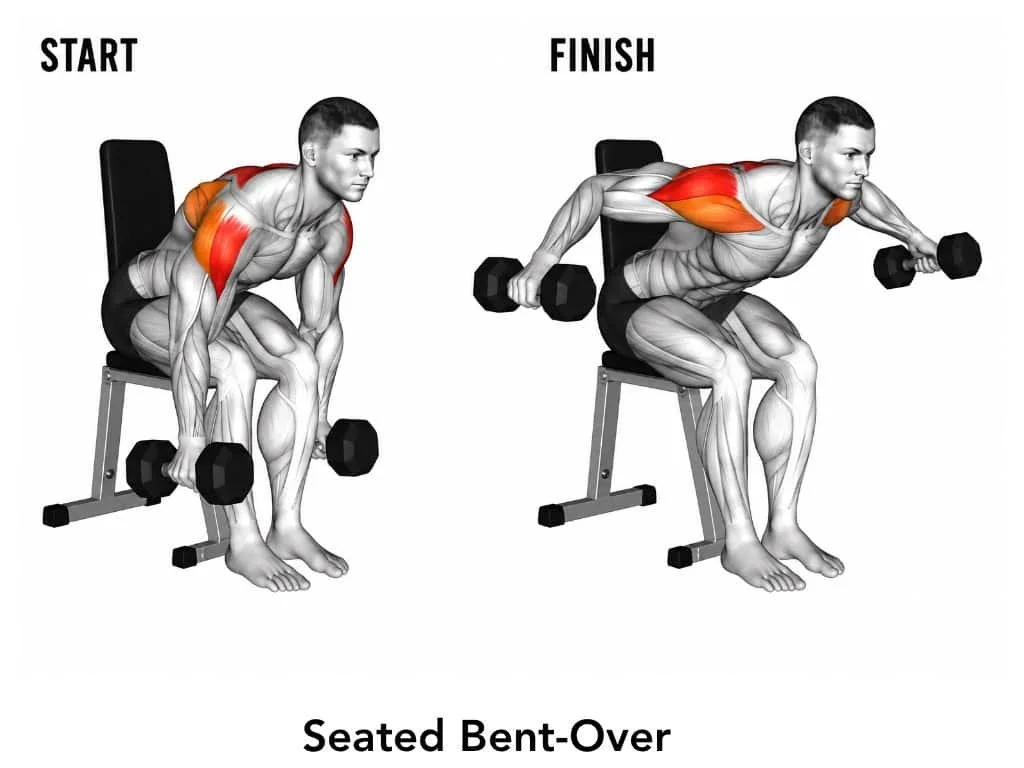
Posterior Deltoid (Rear Deltoid) – Assists with pulling movements, shoulder extension, and posture.
Rotator Cuff Muscles – A group of four muscles that stabilize the shoulder joint:
Supraspinatus
Infraspinatus
Teres Minor
Subscapularis
Trapezius (Traps) – Supports shoulder blade movement and upper-body stability.
Serratus Anterior – Helps control and stabilize the shoulder blades during arm movements.
Benefits of Shoulder Training
Regular shoulder exercises can:
Increase upper-body strength and power.
Improve shoulder stability and joint function.
Enhance posture and movement efficiency.
Support performance in sports and daily activities.
Improve lifting, pushing, and throwing abilities.
Reduce the risk of muscular imbalances.
Contribute to a balanced and well-developed physique.
Medical and Safety Considerations
The shoulder joint relies heavily on muscular support because of its large range of motion. Proper exercise technique is important to reduce stress on the muscles, tendons, and ligaments surrounding the joint.
Warm up thoroughly before shoulder workouts.
Use controlled movements and avoid excessive momentum.
Maintain proper posture throughout each exercise.
Avoid lifting weights that compromise form.
Strengthen the rotator cuff muscles to support shoulder stability.
Gradually increase training volume and resistance.
Stop exercising if you experience sharp pain, clicking accompanied by pain, or persistent discomfort.
Training all three heads of the deltoid muscle while strengthening the supporting muscles of the shoulder complex can help improve strength, stability, posture, and overall upper-body performance while reducing the risk of injury.