Abs Exercises
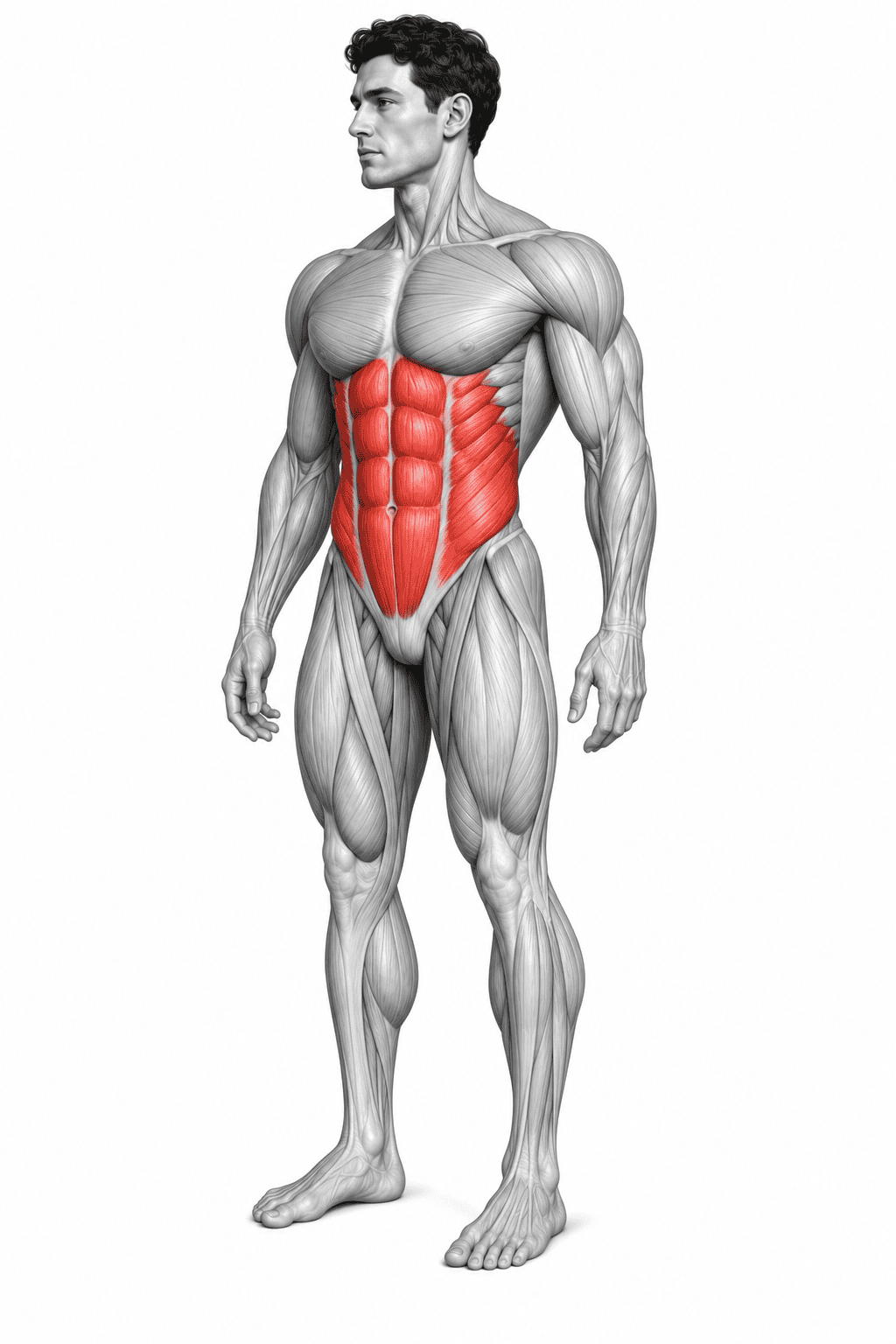
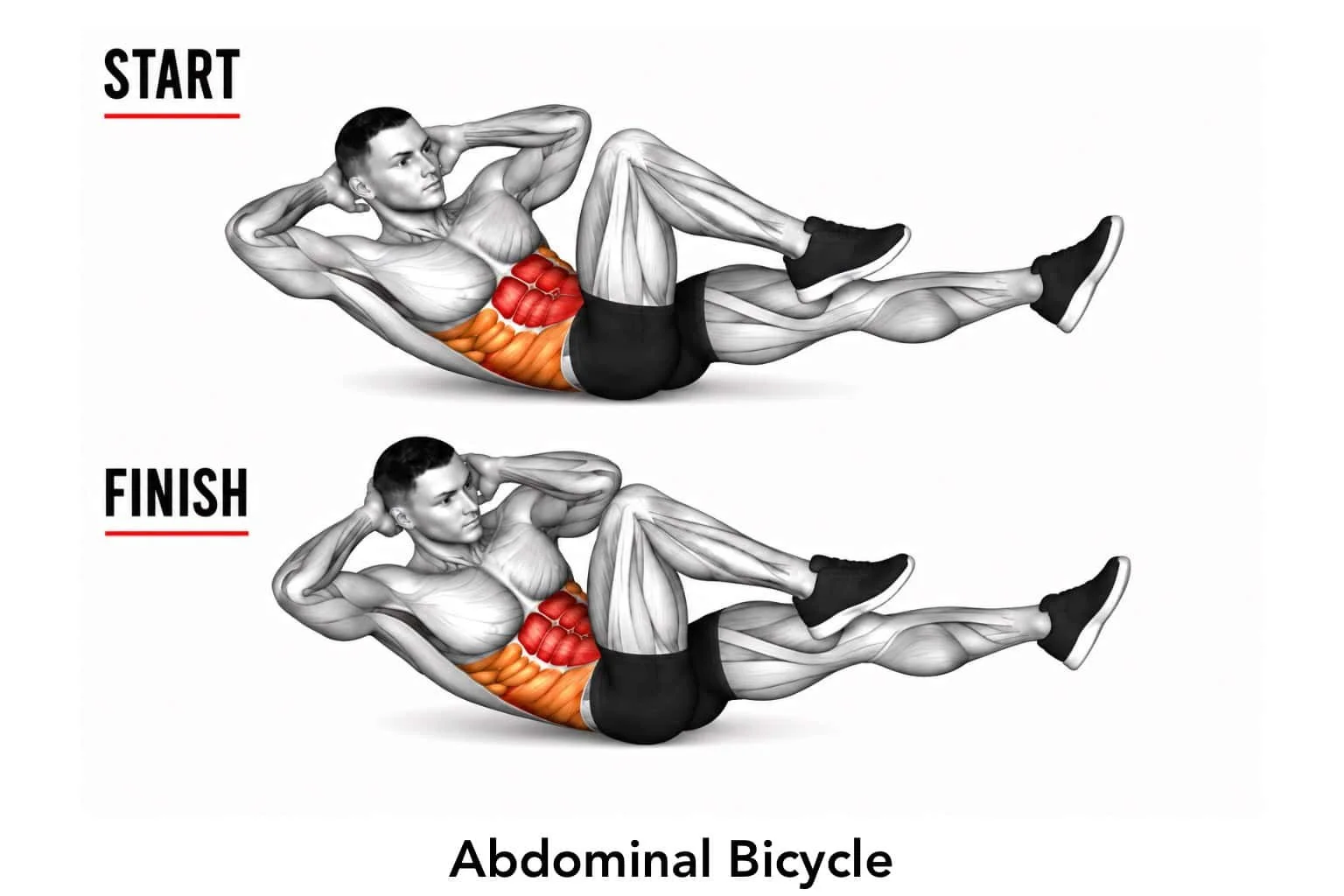
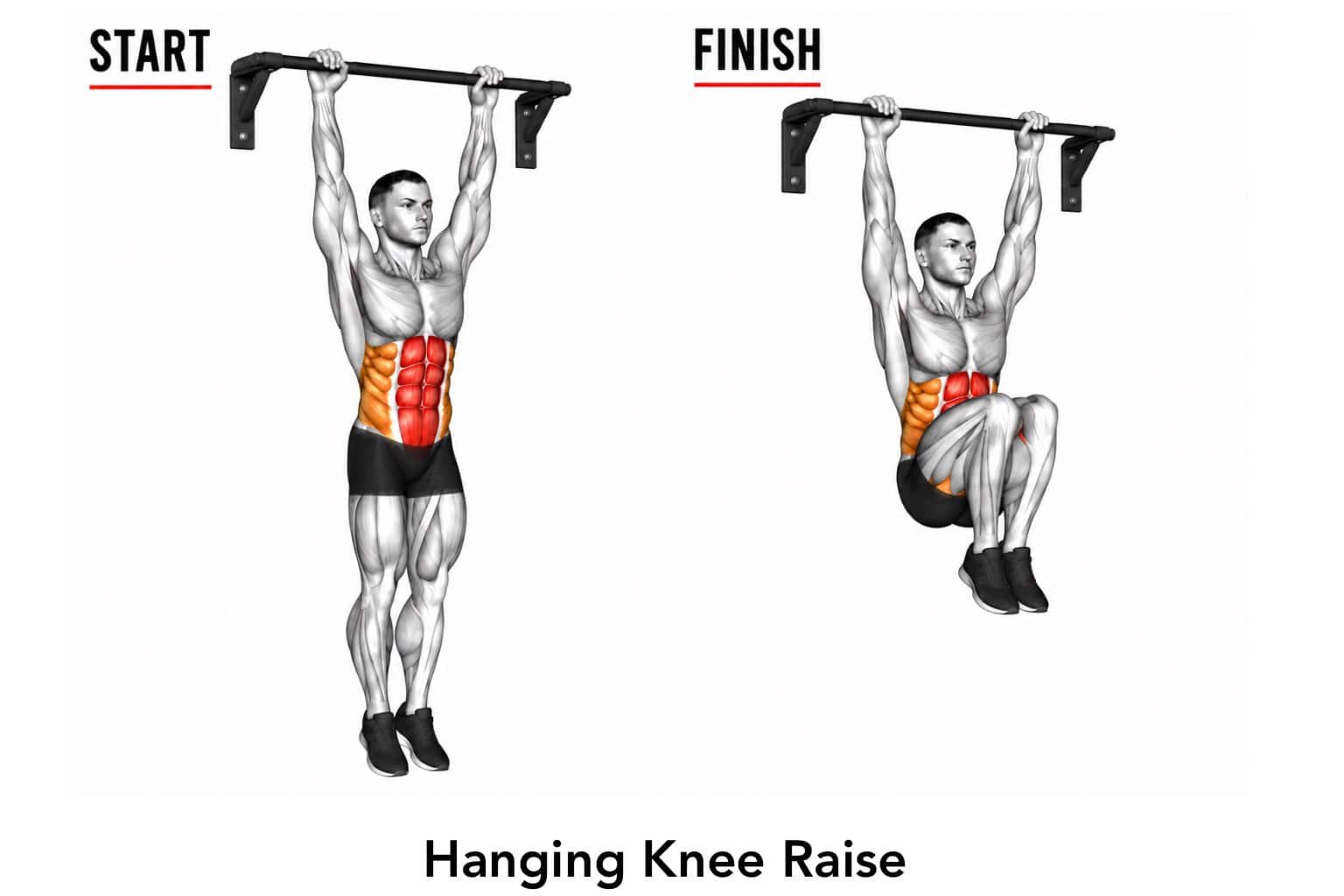
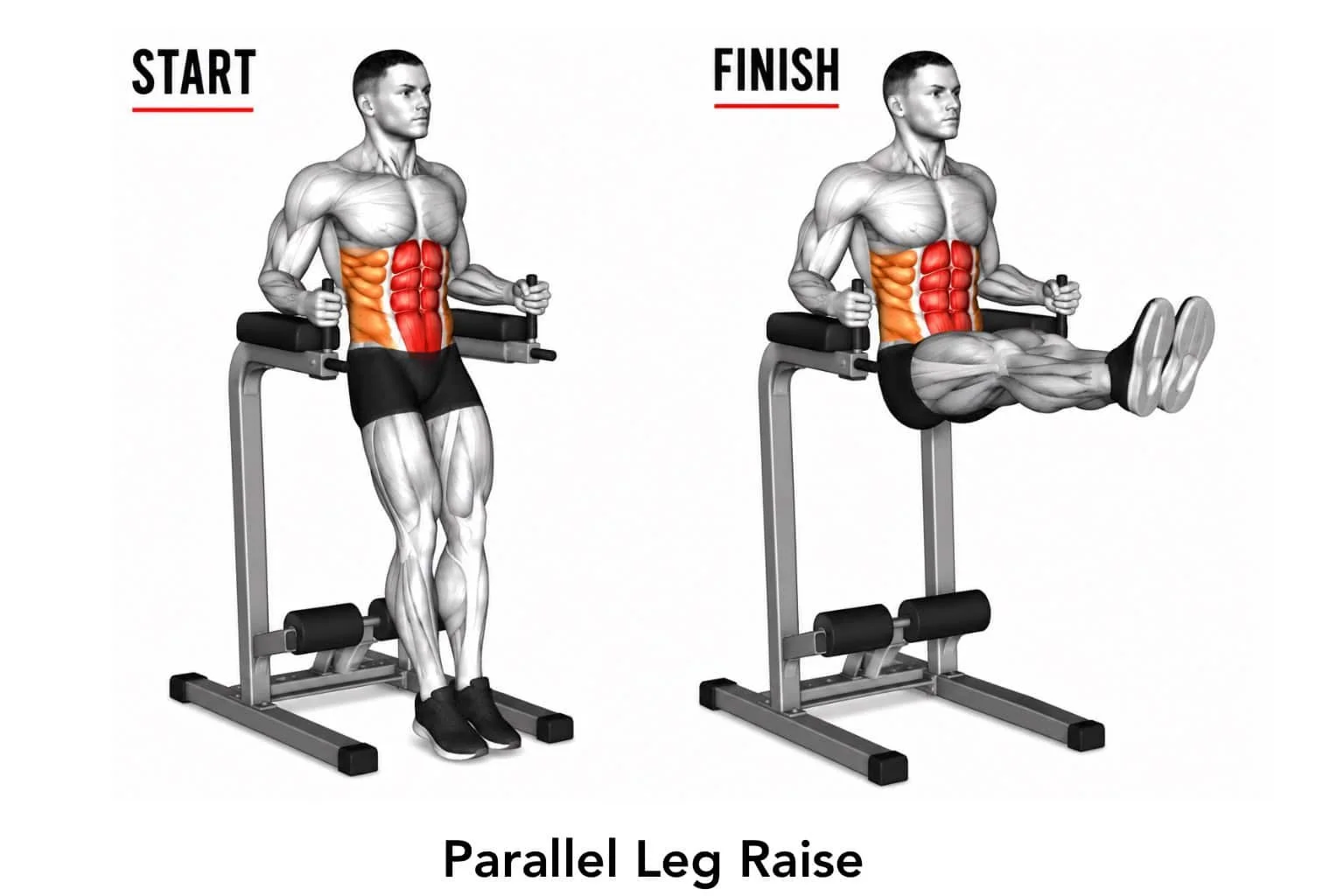
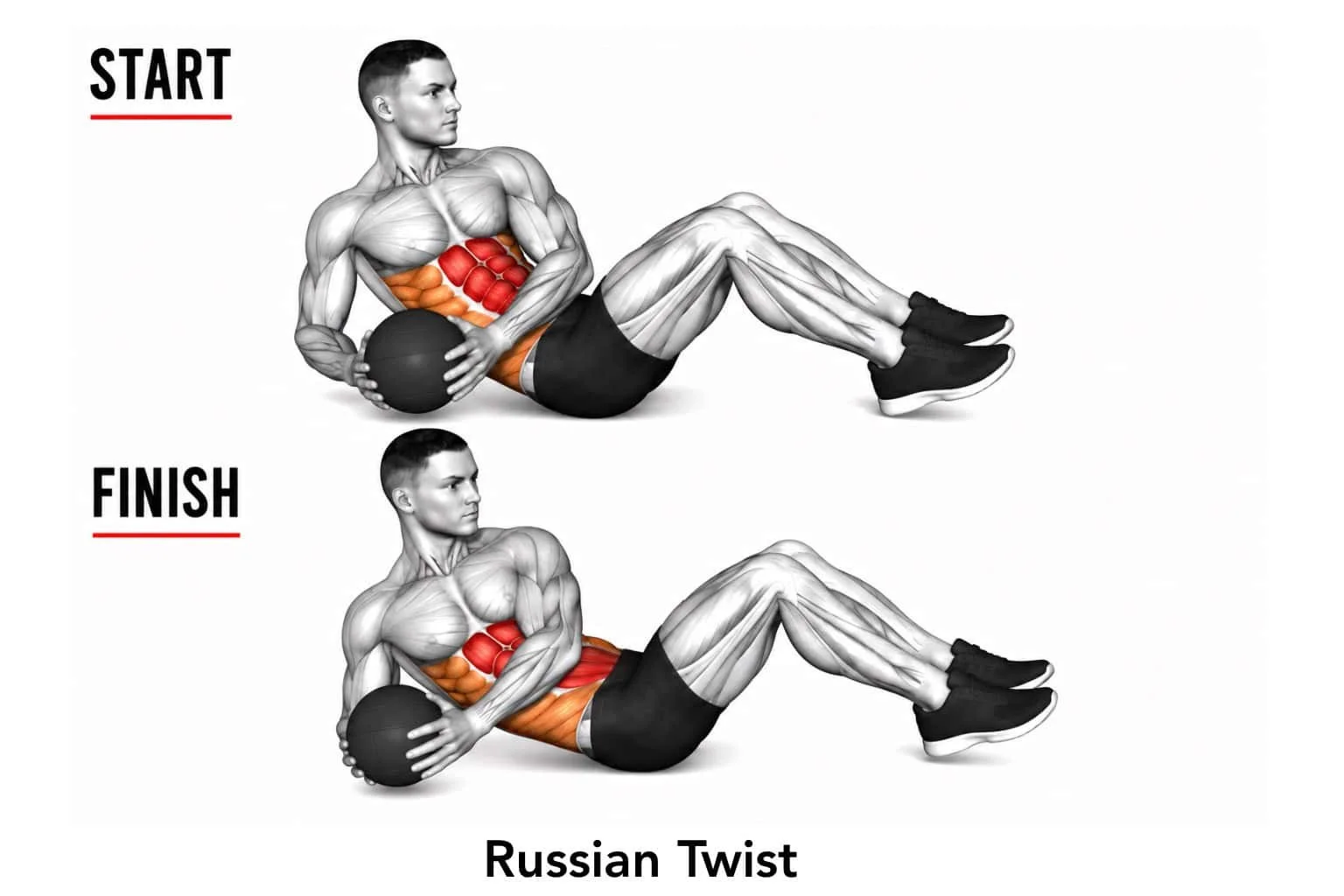
The abdominal muscles, commonly referred to as the “abs” or “core,” play a crucial role in stabilizing the spine, supporting posture, protecting internal organs, and transferring force between the upper and lower body. Strong abdominal muscles can improve athletic performance, balance, functional movement, and overall physical health. Effective abdominal training should target all major core muscles to develop strength, stability, and muscular endurance.
Abdominal Muscle Anatomy
The core consists of several muscles that work together to support movement and spinal stability.
Rectus Abdominis
Often called the “six-pack” muscle, the rectus abdominis runs vertically along the front of the abdomen.
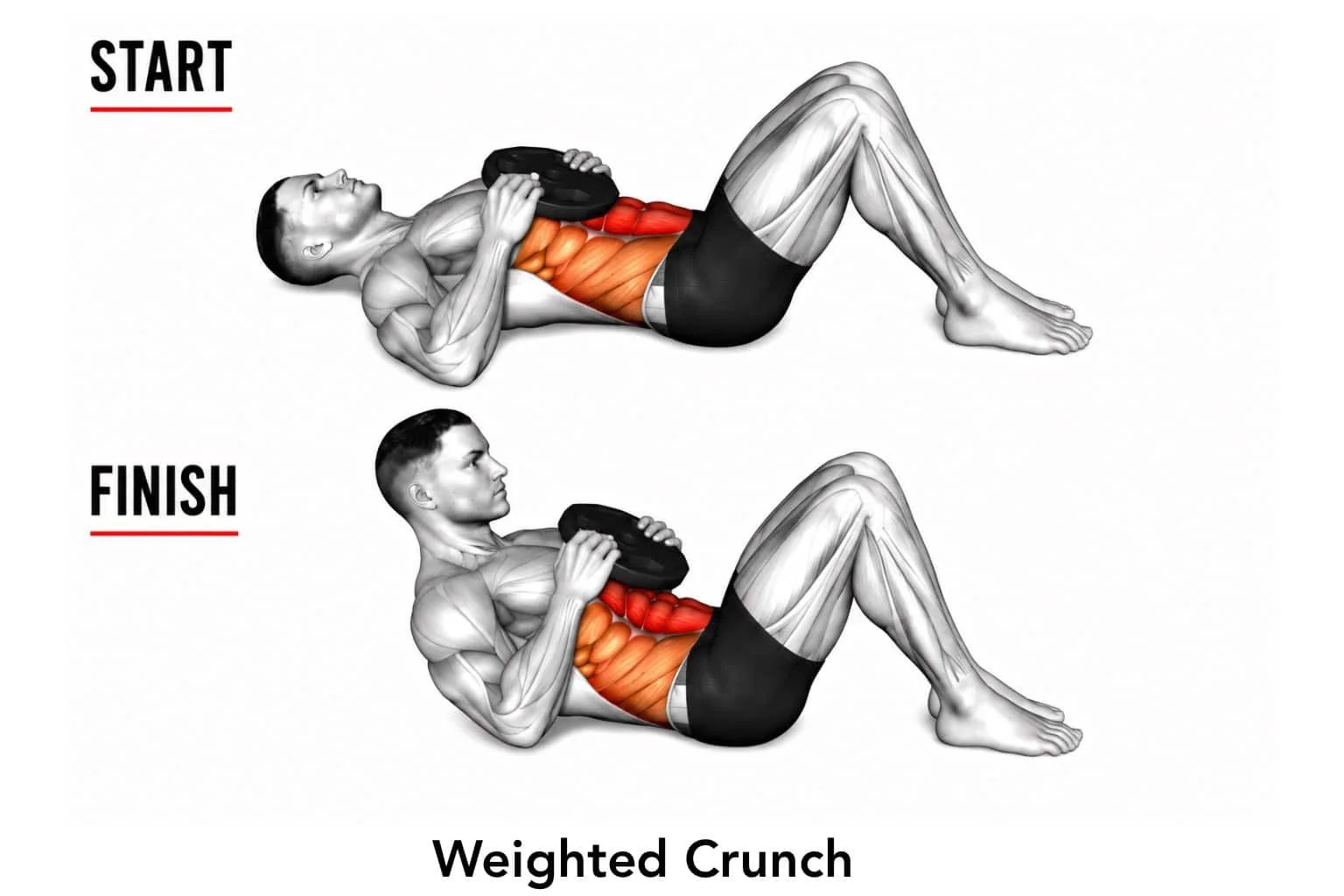
Responsible for spinal flexion (bending forward).
Helps stabilize the pelvis and spine.
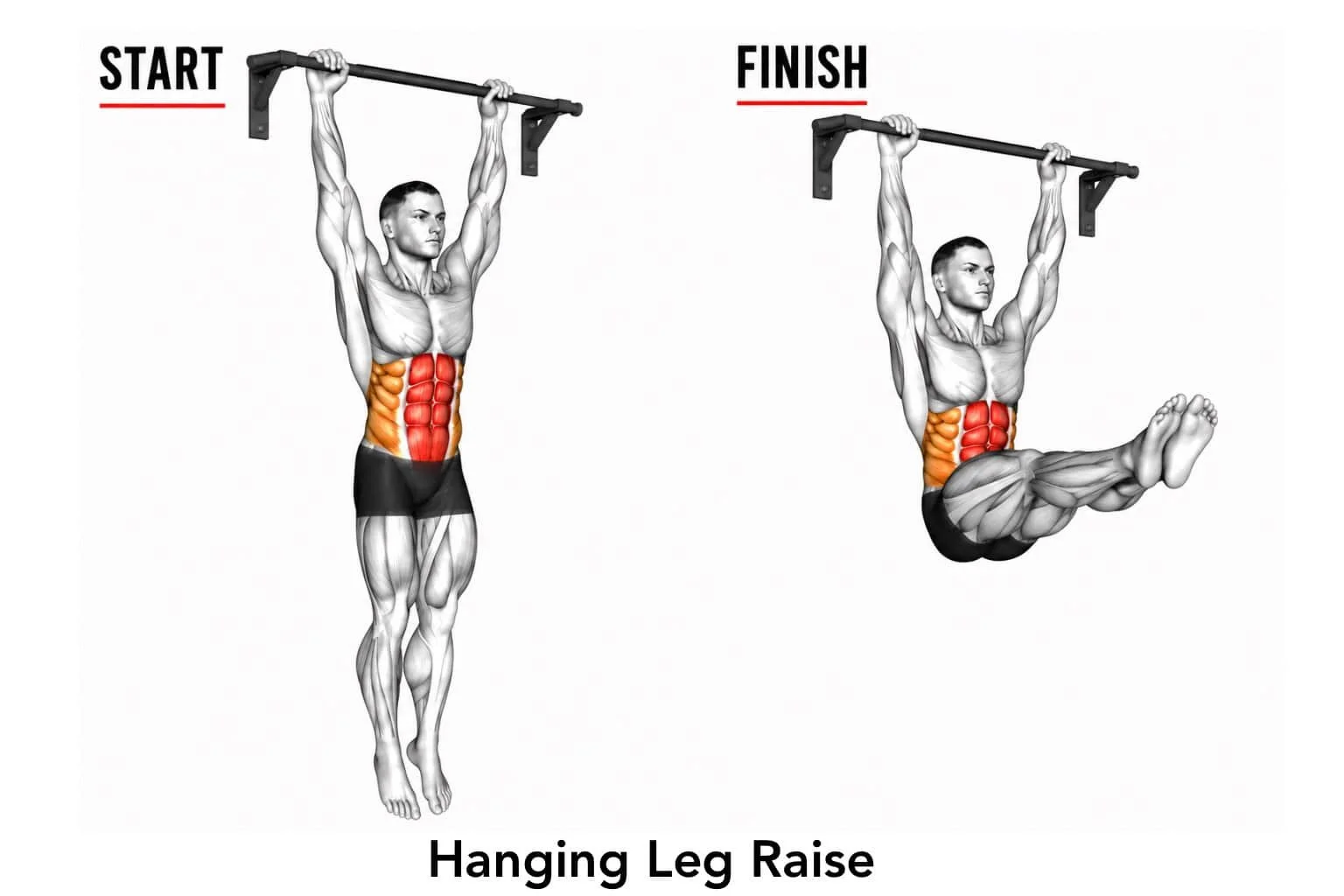
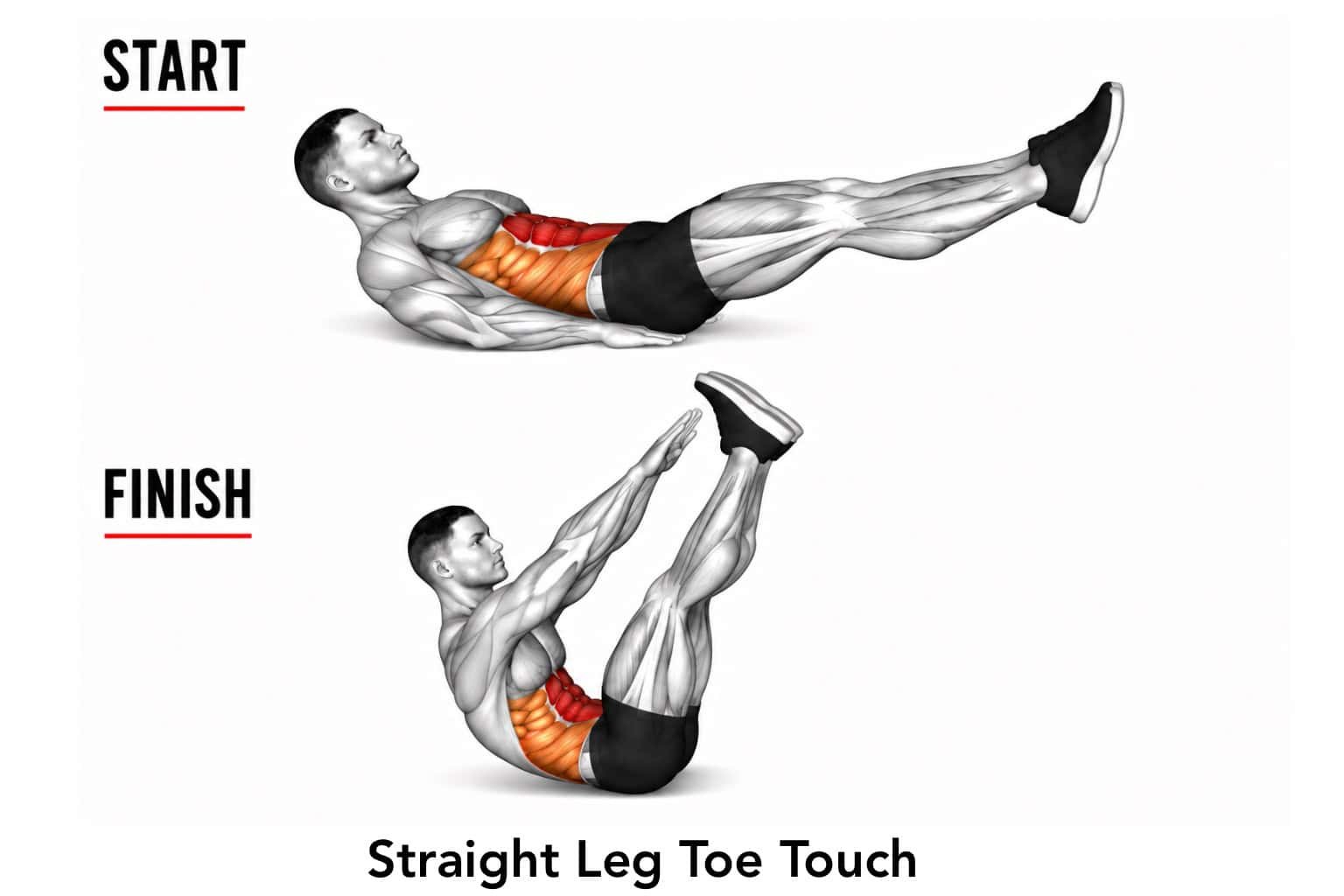
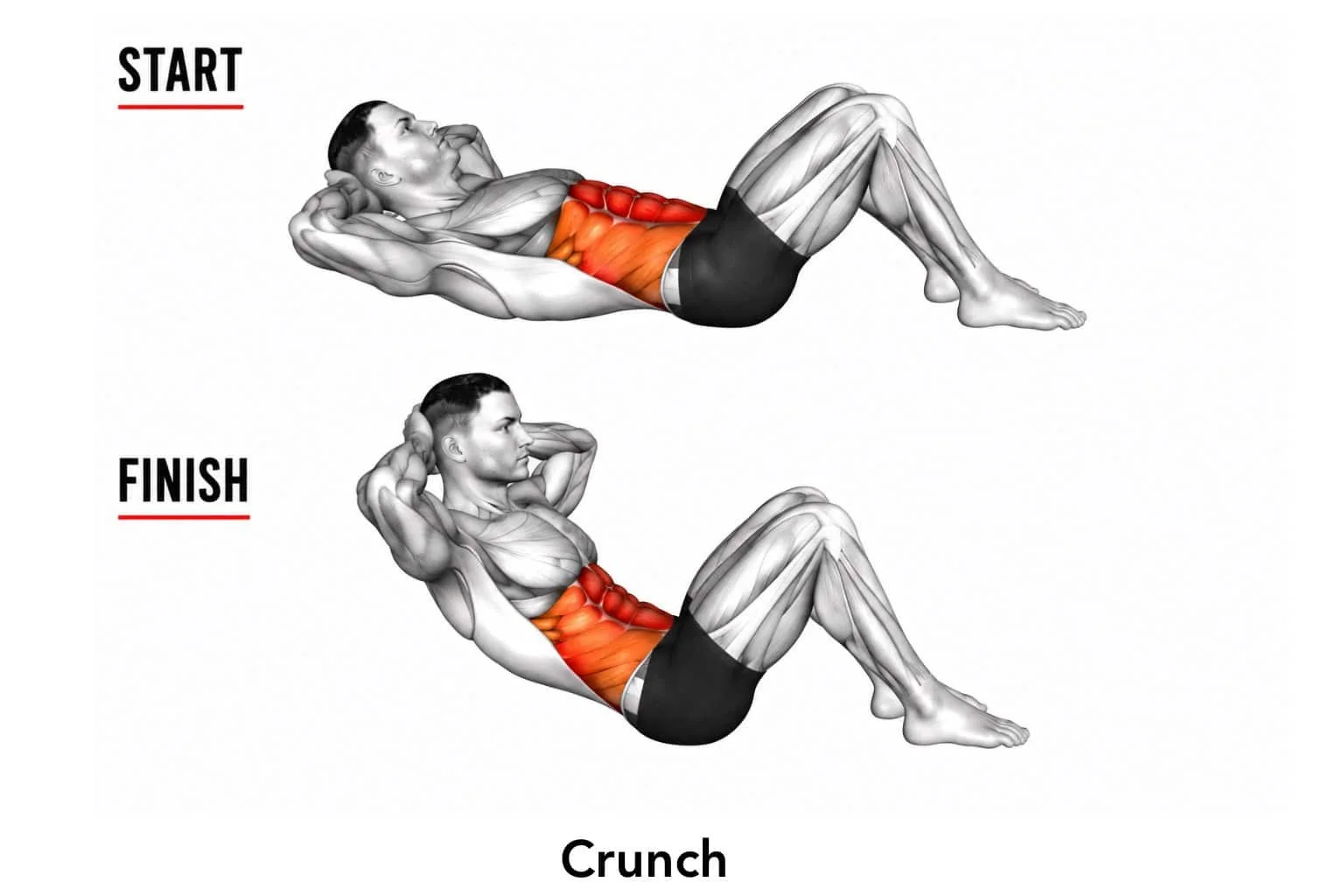
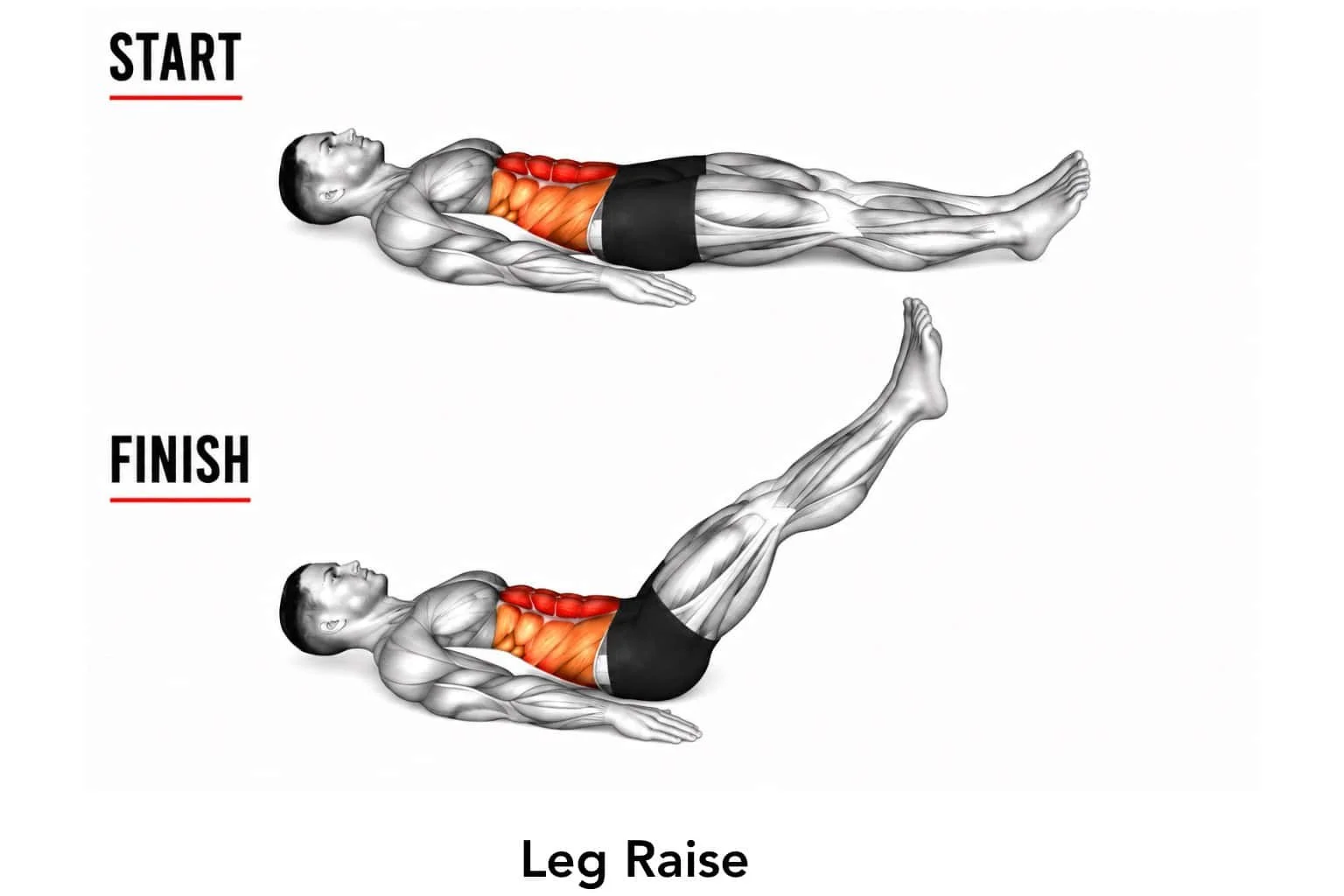
Active during crunches, sit-ups, and leg raises.
External Obliques
Located on the sides of the abdomen.
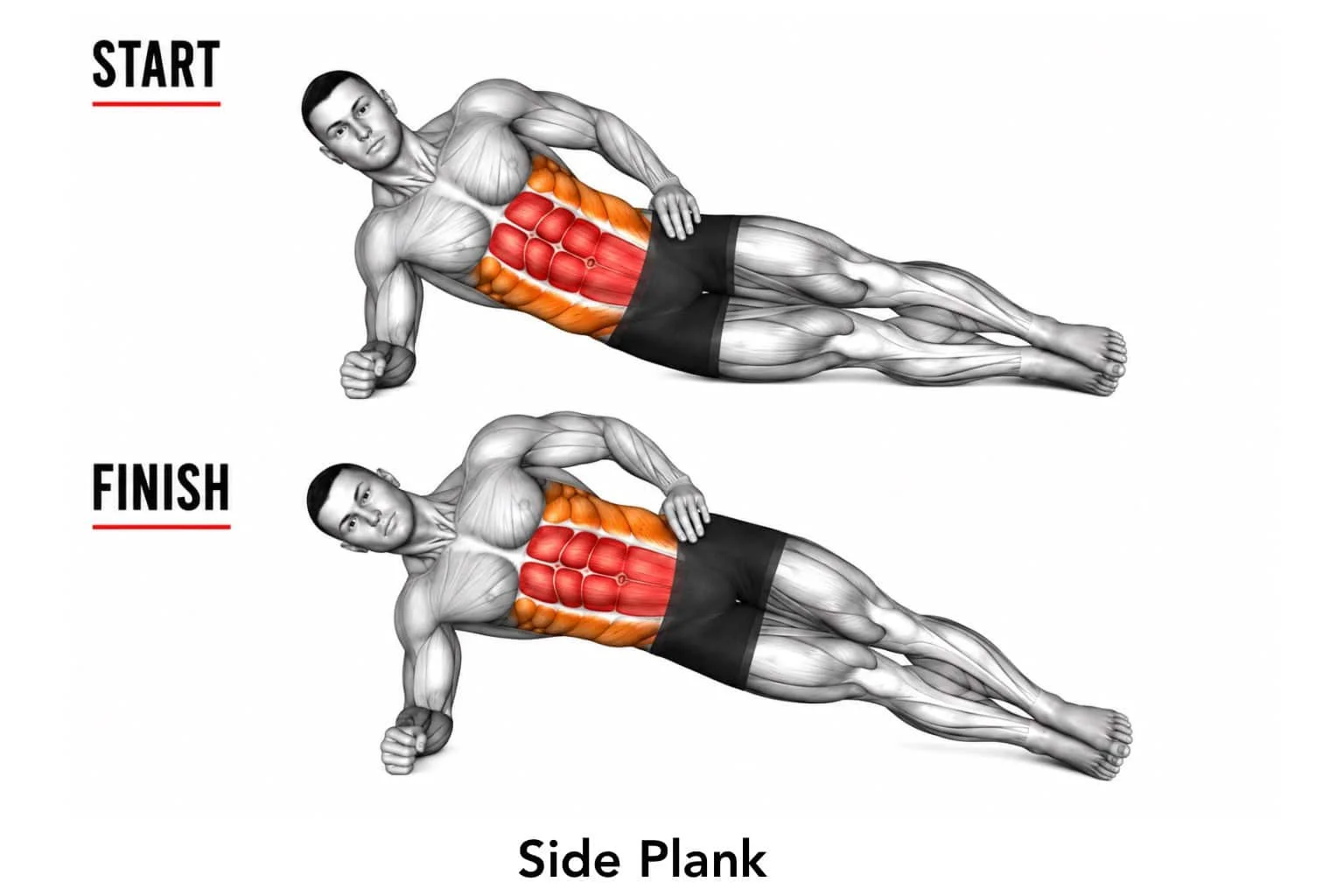
Assist with trunk rotation and side bending.
Help stabilize the core during movement.
Important for athletic and functional activities involving twisting.
Internal Obliques
Located beneath the external obliques.
Work with the external obliques to rotate and stabilize the torso.
Support proper posture and spinal control.
Transverse Abdominis
The deepest abdominal muscle layer.
Acts like a natural weightlifting belt around the abdomen.
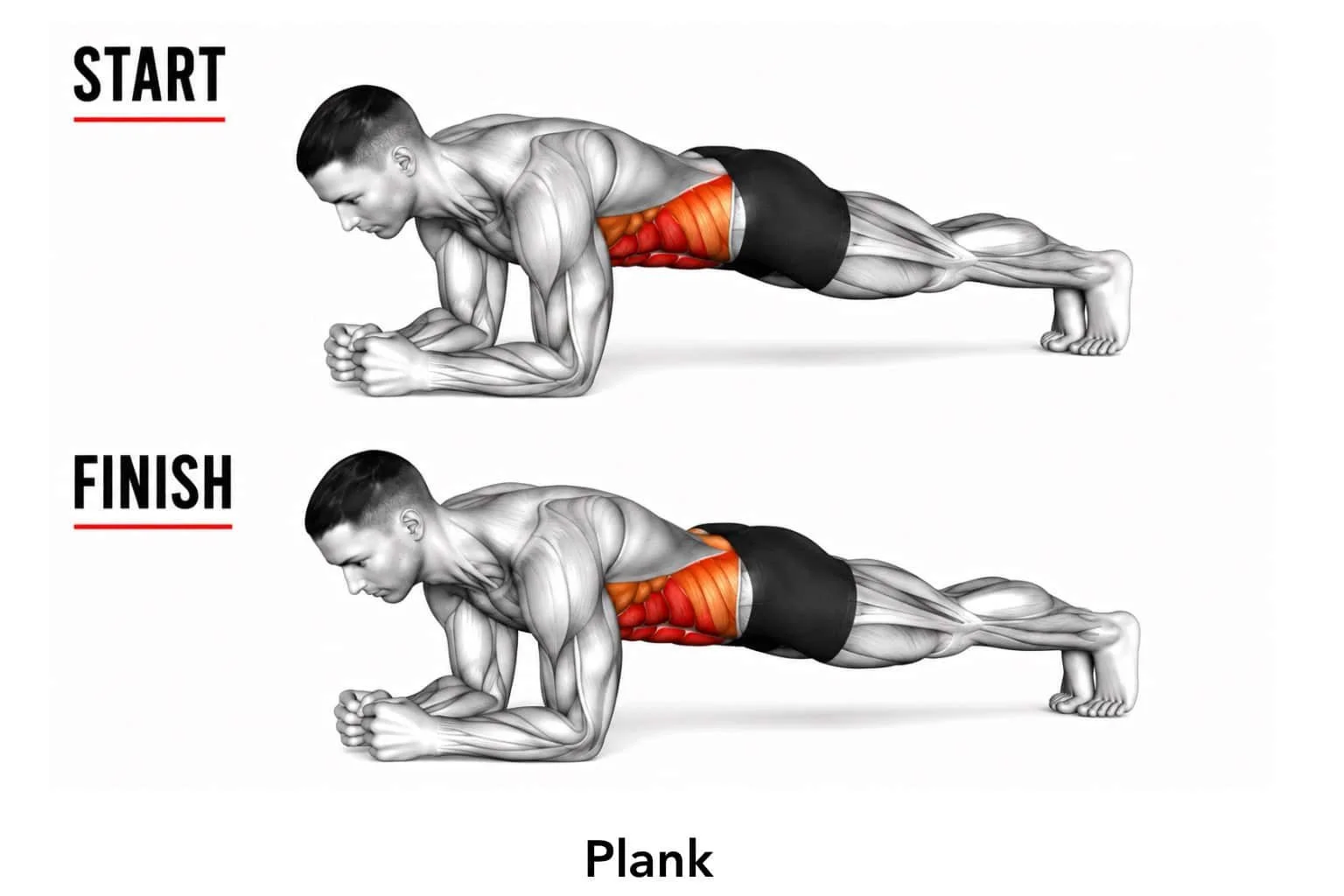
Provides spinal stability and core support.
Plays an important role in breathing and intra-abdominal pressure.
Additional Core Muscles
Several other muscles contribute to core function and stability:
Erector Spinae (lower back muscles)
Multifidus
Quadratus Lumborum
Pelvic Floor Muscles
Diaphragm
Hip Flexors
Benefits of Abdominal Training
Regular abdominal exercises can:
Improve core strength and stability.
Enhance posture and spinal support.
Reduce the risk of lower-back discomfort.
Improve balance and coordination.
Support athletic performance and power transfer.
Enhance functional movement during daily activities.
Contribute to overall physical conditioning and muscular definition.
Medical and Safety Considerations
Abdominal exercises involve the muscles that support the spine and pelvis. Proper technique is important to maximize benefits and reduce strain on the lower back and neck.
Engage the core throughout each movement.
Avoid pulling on the neck during crunching exercises.
Maintain controlled breathing patterns.
Focus on quality repetitions rather than speed.
Avoid excessive arching of the lower back.
Progress resistance and difficulty gradually.
Stop exercising if you experience sharp pain or persistent discomfort.
It is important to understand that abdominal exercises strengthen and develop the core muscles, but visible abdominal definition is also influenced by overall body fat levels, nutrition, genetics, and lifestyle factors.
Training the rectus abdominis, obliques, transverse abdominis, and supporting core muscles through a variety of flexion, rotation, and stabilization exercises can improve strength, posture, athletic performance, and overall functional fitness while supporting long-term spinal health.