
Lifestyle & Education

Fitness is about more than just workouts and equipment. Long-term progress comes from building sustainable habits, understanding how your body works, and creating a lifestyle that supports consistency, recovery, and overall health.
Recovery & Rest
Recovery is one of the most overlooked parts of fitness, especially for beginners. Training breaks the body down — recovery is what allows it to rebuild stronger over time. Without proper recovery, workouts become less effective, energy levels drop, and the risk of injury increases.
Why Recovery Matters
Recovery helps:
Build strength and muscle
Reduce fatigue
Improve performance
Prevent injuries
Support long-term consistency
Improve sleep and energy levels
Important Recovery Habits
Sleep
Quality sleep is one of the most powerful tools for recovery and overall health.
Focus On:
Consistent sleep schedule
7–9 hours of sleep
Limiting stress before bed
Creating a healthy recovery routine
Training Science Made Simple
You don’t need a sports science degree to make progress, but understanding a few key training principles can help you train more effectively and avoid common mistakes.
Progressive Overload
Progressive overload means gradually increasing the challenge placed on your muscles over time.
This can happen by:
Increasing weight
Doing more repetitions
Improving exercise form
Increasing workout intensity
Reducing rest time
Progressive overload is one of the main reasons people become stronger and fitter over time.
Simplicity Works
Many beginners overcomplicate training with:
advanced programs,
unnecessary exercises,
or unrealistic expectations.
The basics work extremely well when done consistently:
Strength training
Good sleep
Balanced nutrition
Regular movement
Recovery
Motivation & Mindset
Motivation naturally comes and goes. Successful fitness journeys are built more on habits and discipline than constant motivation. The key is creating routines that are realistic and enjoyable enough to maintain long term.
Focus On Progress, Not Perfection. Small improvements over time lead to meaningful results.
Set Realistic Goals. Avoid trying to completely transform your lifestyle overnight.
Build Habits Gradually. Simple routines are easier to maintain consistently.
Celebrate Small Wins. Improved strength, better energy, and increased confidence all matter.
Make Fitness Part of Your Lifestyle. The goal is sustainability, not temporary extremes.
Nutrition Basics
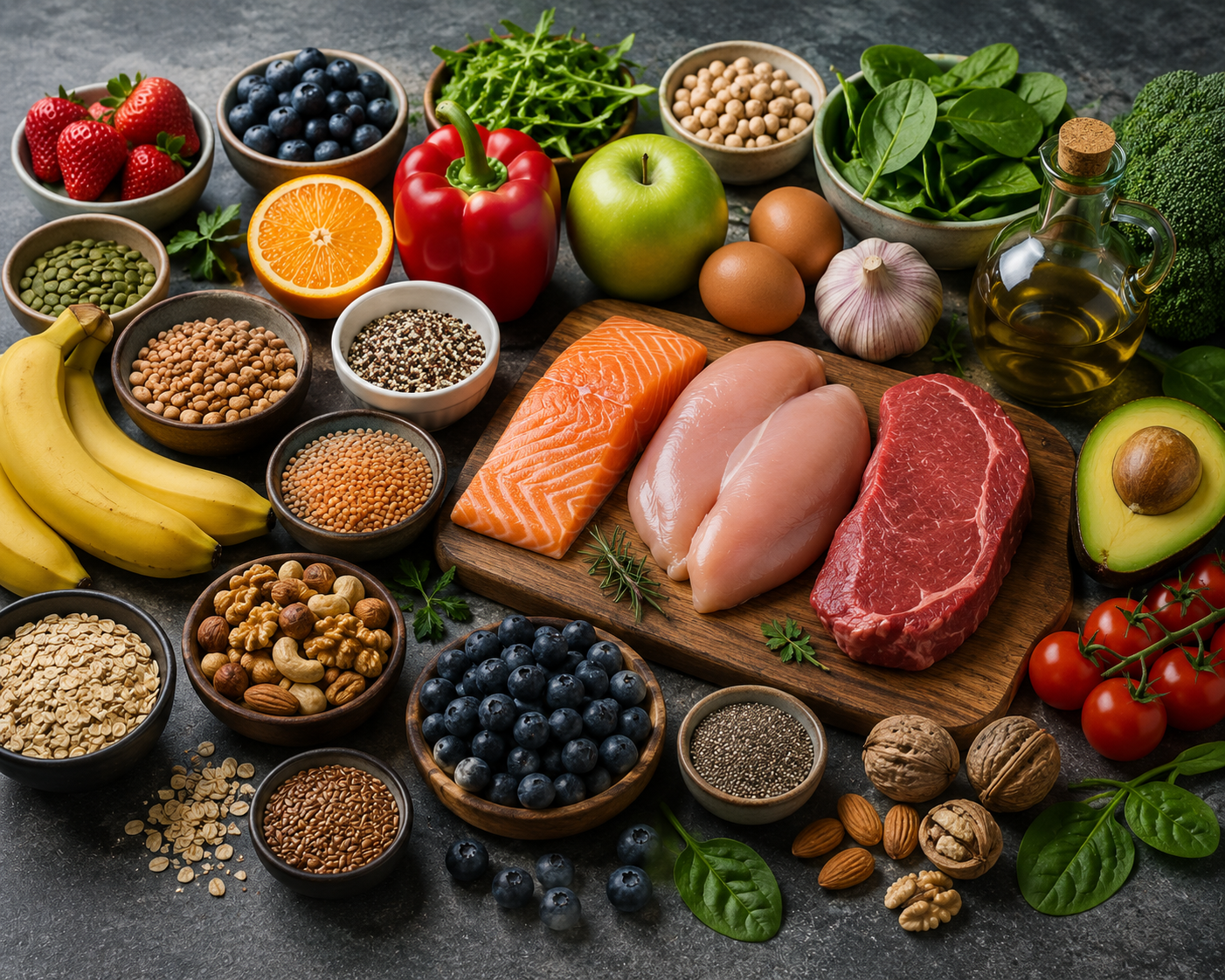
Nutrition plays a major role in your fitness journey, whether your goal is building muscle, losing body fat, improving energy levels, or simply feeling healthier overall. While workouts provide the stimulus for progress, nutrition gives your body the fuel and recovery support it needs to perform and improve over time.
The good news is that nutrition does not need to be overly restrictive or complicated to be effective. You do not need perfect meal plans, advanced tracking apps, or extreme diets to make progress. For most beginners, focusing on simple, sustainable eating habits is more than enough to support long-term results.
Why Nutrition Matters
The food you eat directly affects:
Energy levels
Workout performance
Recovery
Muscle growth
Fat loss
Sleep quality
Overall health and well-being
Calorie Balance Explained
Protein and recovery
Protein is important because it helps support:
Muscle recovery
Strength development
Repair after workouts
Long-term muscle maintenance
Good protein sources include:
Meat
Fish
Eggs
Dairy
Greek yogurt
Beans and legumes
Protein shakes
Tofu and plant-based options
You do not need to overcomplicate protein intake — simply aim to include a quality protein source in most meals.
Healthy Fats Matter Too
Healthy fats support:
Hormone function
Energy levels
Recovery
Overall health
Examples include:
Nuts
Olive oil
Avocados
Seeds
Fatty fish
Understanding Calories
Calories are simply units of energy. Your body uses calories to:
Move
Recover
Build muscle
Support daily functions
Fuel workouts
Weight Loss. To lose weight, your body generally needs to use more calories than you consume over time. This is often called a calorie deficit.
Muscle Building. To build muscle effectively, your body typically benefits from enough calories to support recovery, strength progression, and muscle growth.
Weight Maintenance. When calorie intake and energy output are relatively balanced, body weight tends to stay more stable.
Nutrition Does Not Need to Be Extreme
Many beginners think fitness nutrition requires:
eliminating favorite foods,
strict diets,
or tracking every calorie perfectly.
In reality, consistency and balance matter far more than perfection.
Healthy eating should feel sustainable and realistic for your lifestyle.
Focus on Simple Healthy Habits
Instead of obsessing over complicated nutrition rules, focus on building better habits gradually by prioritising whole foods.
Try to include more:
Lean proteins
Fruits
Vegetables
Whole grains
Healthy fats
High-fiber foods
Carbohydrates Are Not the Enemy
Carbohydrates provide energy for:
Training
Recovery
Daily activity
Brain function
Good carbohydrate sources include:
Rice
Potatoes
Oats
Fruit
Whole grains
Pasta
Vegetables
Many beginners unnecessarily fear carbs, but balanced carbohydrate intake can support better workouts and recovery.
Hydration & Performance
Hydration is often overlooked, but even mild dehydration can affect:
Energy levels
Strength
Focus
Recovery
Workout performance
Simple Hydration Tips
Drink water consistently throughout the day
Increase water intake around workouts
Stay hydrated during warmer weather or intense sessions
Sustainable Nutrition Is the Goal
The best nutrition plan is not the most extreme one — it’s the one you can realistically follow long term.
Fitness should improve your lifestyle, not make it more stressful. Small improvements made consistently over time usually create better results than short periods of extreme dieting.
Long-Term Progress Matters Most
Good nutrition is not about being perfect every day. It’s about creating habits that support your health, workouts, and long-term fitness goals consistently over time.
Start simple, stay patient, and focus on progress you can maintain for the long run.