
Why Home Workouts Are Great for Beginners
Home training gives you the freedom to work out at your own pace without the pressure of a crowded gym environment.
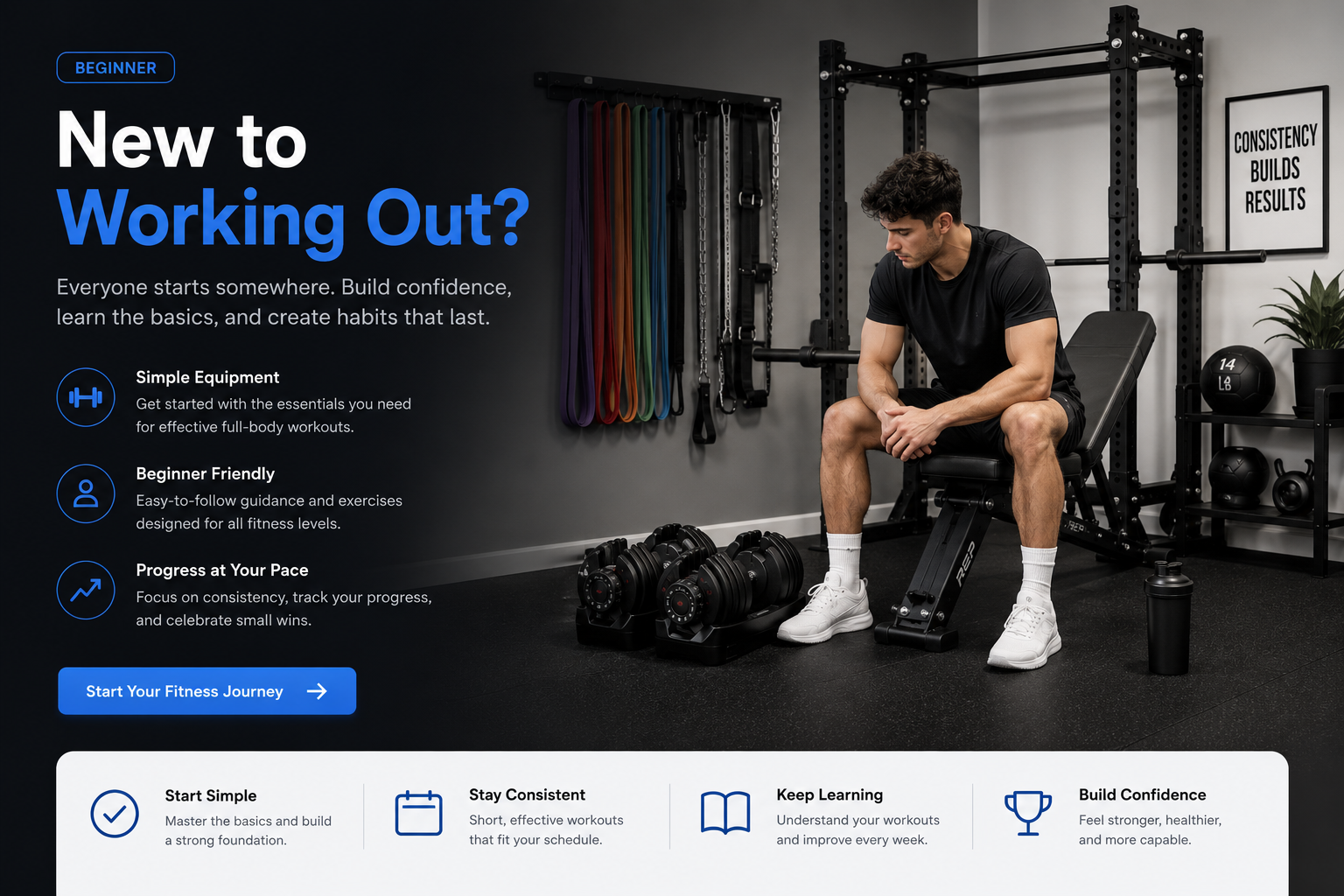
Benefits of Training at Home
Flexible workout schedule
No gym membership required
Beginner-friendly environment
Saves time and money
Easy to start with minimal equipment
Great for building confidence and consistency
A good home muscle-gain routine should focus on:
Progressive overload (making exercises harder over time)
Progressive overload is the practice of gradually increasing the demands placed on your muscles over time to continuously stimulate growth and strength gains.
The core idea is simple: your body adapts to stress. Once your muscles have adapted to a given workload, that workload no longer challenges them enough to force further growth. To keep making progress, you need to keep raising the bar — literally or figuratively.
Key principle: progress doesn’t have to be dramatic. Adding 5 lbs to a lift every few weeks compounds significantly over months and years. Slow, consistent progression beats chasing big jumps that compromise form or lead to injury.
Recovery and nutrition
Protein is the most critical macronutrient. Aim for roughly 0.7–1g per pound of bodyweight daily. Good sources include chicken, beef, fish, eggs, dairy, and legumes. Spreading intake across 3–5 meals maximizes muscle protein synthesis throughout the day.
Calories matter too. You can’t build significant muscle in a prolonged deficit. A modest surplus of 200–400 calories above your maintenance level supports growth without excessive fat gain. If you’re a beginner, you can often build muscle and lose fat simultaneously, but this becomes harder as you advance.
Sleep is arguably the most underrated factor. The majority of muscle repair and growth hormone release happens during deep sleep. Aim for 7–9 hours. Poor sleep actively undermines your gains, raises cortisol, and blunts protein synthesis.
Essential Equipment for Beginners
You don’t need a complicated setup to get started.
Recommended Beginner Equipment
Adjustable Dumbbells
Perfect for full-body strength training and progressive overload.
Resistance Bands
Affordable, portable, and excellent for beginners learning movement patterns.
Pull-Up Bar
Great for upper-body strength and bodyweight exercises.
Exercise Mat
Provides comfort and stability for floor exercises and stretching.
Adjustable Bench (Optional)
Adds more exercise variety as you progress.
Common beginner mistakes
Avoiding these mistakes can help you stay motivated and injury-free.
Doing Too Much Too Soon
Trying advanced workouts immediately often leads to burnout.
Training Without Structure
Following random workouts makes progress difficult to measure.
Ignoring Warm-Ups
A few minutes of mobility and activation can improve performance and reduce injury risk.
Comparing Yourself to Others
Focus on your own consistency and gradual improvement.
Buying Too Much Equipment
Start with essentials before investing in larger setups.
Beginner Fitness Goals
Home workouts can help you:
Build strength
Lose body fat
Improve endurance
Increase mobility
Build healthy routines
Improve confidence and energy level
Enough weekly volume
Volume is typically measured in sets per muscle group per week. Current research and practical experience generally points to:
• Minimum effective dose: ~10 sets per muscle group per week to maintain and make modest gains
• Optimal range: 12–20 sets per week for most intermediate lifters
• Advanced lifters may push beyond 20 sets, but recovery capacity must match
Best Advice for Beginners
Keep It Simple
You don’t need complicated workout programs to see progress.
Focus on Consistency First
Consistency matters more than perfect workouts.
Build Habits Slowly
Start with realistic goals you can maintain.
Learn the Basics
Master foundational exercises before advanced movements.
Enjoy the Process
Training should improve your lifestyle, not feel like punishment.
Frequently Asked Questions
Can beginners build muscle at home?
Yes. With proper training, progressive overload, and consistency, beginners can build muscle effectively at home.
How many days should beginners work out?
Most beginners do well with 2–4 workouts per week.
Are resistance bands effective?
Yes. Resistance bands are excellent for strength training, mobility, and muscle activation.
Do I need heavy weights to start?
No. Beginners can make great progress with light-to-moderate resistance while learning proper form.